Blog

  • Integrated Sheet Metal Sourcing: Review the Whole Route, Not Just the Flat Blank

    Integrated Sheet Metal Sourcing: Review the Whole Route, Not Just the Flat Blank

    Projects involving cutting, bending, welding, hardware, coating, and final formed dimensions need more than a supplier capable of one operation. They need a controlled way to decide what the part must achieve, which file defines the requirement, and how the manufacturing steps remain connected. This is the central challenge in integrated sheet-metal purchasing.

    The practical objective is not to prescribe a factory method. It is to give buyers a framework for reviewing disconnected operations, asking useful questions before release, and comparing quotations against the same approved scope. When requirements are clear, engineering, procurement, and receiving teams can make decisions from evidence rather than assumptions.

    Use one folded and flat definition

    Use one folded and flat definition should be treated as a project decision, not an informal note. Start with the released CAD and drawing, then identify the functional interfaces, material or finish conditions, quantity, and acceptance criteria that influence the route. This makes supplier questions more specific.

    In practice, the team should check the sequence and interfaces that affect the delivered assembly. A small ambiguity can travel into programming, workholding, tooling, inspection, secondary processing, packing, or a repeat order. Resolve the ambiguity before production release, document the agreed outcome, and ask what would need to be revisited if the revision changes.

    Plan cutting and bending together

    Plan cutting and bending together should be treated as a project decision, not an informal note. Start with the released CAD and drawing, then identify the functional interfaces, material or finish conditions, quantity, and acceptance criteria that influence the route. This makes supplier questions more specific.

    In practice, the team should check the sequence and interfaces that affect the delivered assembly. A small ambiguity can travel into programming, workholding, tooling, inspection, secondary processing, packing, or a repeat order. Resolve the ambiguity before production release, document the agreed outcome, and ask what would need to be revisited if the revision changes.

    Coordinate welding and hardware

    Coordinate welding and hardware should be treated as a project decision, not an informal note. Start with the released CAD and drawing, then identify the functional interfaces, material or finish conditions, quantity, and acceptance criteria that influence the route. This makes supplier questions more specific.

    In practice, the team should check the sequence and interfaces that affect the delivered assembly. A small ambiguity can travel into programming, workholding, tooling, inspection, secondary processing, packing, or a repeat order. Resolve the ambiguity before production release, document the agreed outcome, and ask what would need to be revisited if the revision changes.

    Define finishing before fabrication

    Define finishing before fabrication should be treated as a project decision, not an informal note. Start with the released CAD and drawing, then identify the functional interfaces, material or finish conditions, quantity, and acceptance criteria that influence the route. This makes supplier questions more specific.

    For a relevant service overview, review sheet metal fabrication services. The current files and approved quotation should still define the project-specific route.

    In practice, the team should check the sequence and interfaces that affect the delivered assembly. A small ambiguity can travel into programming, workholding, tooling, inspection, secondary processing, packing, or a repeat order. Resolve the ambiguity before production release, document the agreed outcome, and ask what would need to be revisited if the revision changes.

    Inspect the final formed assembly

    Inspect the final formed assembly should be treated as a project decision, not an informal note. Start with the released CAD and drawing, then identify the functional interfaces, material or finish conditions, quantity, and acceptance criteria that influence the route. This makes supplier questions more specific.

    In practice, the team should check the sequence and interfaces that affect the delivered assembly. A small ambiguity can travel into programming, workholding, tooling, inspection, secondary processing, packing, or a repeat order. Resolve the ambiguity before production release, document the agreed outcome, and ask what would need to be revisited if the revision changes.

    A practical decision table

    Decision areaWhat to defineWhy it matters
    Use one folded and flat definitionPlan cutting and bending togetherCreates a clearer approved scope
    Plan cutting and bending togetherCoordinate welding and hardwareCreates a clearer approved scope
    Coordinate welding and hardwareDefine finishing before fabricationCreates a clearer approved scope
    Define finishing before fabricationInspect the final formed assemblyCreates a clearer approved scope

    Release checklist

    • Confirm the requirements connected to use one folded and flat definition.
    • Confirm the requirements connected to plan cutting and bending together.
    • Confirm the requirements connected to coordinate welding and hardware.
    • Confirm the requirements connected to define finishing before fabrication.
    • Confirm the requirements connected to inspect the final formed assembly.

    For broader project and process information, SAMSHION can be reviewed alongside the drawing-specific quotation.

    Questions buyers often ask

    What should be decided during use one folded and flat definition?

    The answer depends on the part and risk, but the supplier and buyer should define the controlled revision, scope, responsible approval, and any required inspection or material evidence before the order is released.

    When should coordinate welding and hardware be revisited?

    The answer depends on the part and risk, but the supplier and buyer should define the controlled revision, scope, responsible approval, and any required inspection or material evidence before the order is released.

    What record supports inspect the final formed assembly?

    The answer depends on the part and risk, but the supplier and buyer should define the controlled revision, scope, responsible approval, and any required inspection or material evidence before the order is released.

    A final review should confirm that the sequence and interfaces that affect the delivered assembly is consistent across the files, quote, production plan, inspection scope, and delivery record. This is especially important when a project uses several operations or moves from a first build to a repeat order. It protects the buyer from comparing unlike scope and helps the supplier return questions while they can still be resolved efficiently.

    A practical next step

    Create a short project checklist for integrated sheet-metal purchasing and use it to align the current design, quotation, inspection, and delivery requirements before release.

  • Moving to Chennai? How to Make Your Relocation Simpler and Less Stressful

    Moving to Chennai? How to Make Your Relocation Simpler and Less Stressful

    Moving to a new city is one of those experiences that looks simple on paper and feels completely different once you’re actually doing it. You pack your belongings, put everything into a truck, travel to the new place, and unpack. Easy, right? Well, not quite.

    If you’re moving to Chennai, there are several practical things worth thinking about before the boxes start piling up. From traffic and apartment rules to packing fragile belongings and keeping track of important items, a little planning can save you a lot of frustration.

    The move doesn’t need to be perfect. It just needs to be organized enough that you don’t spend your first week in your new home wondering where the kettle, bedsheets, or phone charger disappeared.

    Give Yourself Enough Time to Prepare

    Moving preparation should begin well before moving day. Ideally, give yourself at least a couple of weeks, especially if you have a larger household.

    Start by walking through every room and making a basic list. What are you taking? What can be donated? What has been sitting untouched in a cupboard for years?

    Moving is actually a good excuse to declutter. There’s no reason to spend money transporting things you don’t use anymore.

    Once you’ve decided what is coming with you, separate valuable and essential belongings. Important documents, jewelry, medicines, laptops, cash, and sentimental items should stay with you whenever possible.

    Research Your Moving Company Carefully

    There are plenty of moving companies available, but they don’t all offer the same level of service.

    When comparing Packers and Movers in Chennai, don’t make your decision based only on the price displayed in an advertisement. Look at the company’s experience, customer reviews, service details, and communication.

    Ask what exactly is included in the quotation. Does it cover packing materials? Loading? Unloading? Furniture dismantling? Reassembly? Transportation?

    Getting clear answers before booking is much easier than trying to negotiate after your belongings have already been loaded onto a truck.

    Don’t Assume the Cheapest Quote Is the Best

    Everyone wants a reasonable price, and there’s nothing wrong with comparing quotes. The problem starts when a very low estimate becomes the only thing you consider.

    Sometimes an inexpensive quote covers transportation but excludes several labor or packing charges. Other costs may appear later.

    Ask for a written estimate that explains the major expenses. If the company is professional, they should be able to tell you what you’re paying for without making the conversation complicated.

    A reliable mover isn’t necessarily the cheapest one. You’re paying for safe handling, proper coordination, and fewer headaches.

    Understand What the Packing Service Includes

    Packing isn’t simply putting things into cardboard boxes.

    Furniture may need protective wrapping. Glassware requires careful cushioning. Electronics should be handled properly, and larger pieces may need to be dismantled before transportation.

    If you’re considering Agarwal Packers and Movers Chennai, or another established moving provider, ask about the type of packing materials they use and how fragile belongings are handled.

    It’s also smart to photograph valuable furniture and electronics before packing. These pictures provide a record of their condition and can be useful if you later notice damage.

    Consider Chennai’s Weather

    Chennai’s climate is another factor worth considering when planning a move.

    Heat, humidity, and seasonal rain can create problems if belongings aren’t protected properly. Electronics, wooden furniture, documents, and fabrics should be packed with suitable protection, particularly if there’s a possibility of delays during transportation.

    If you’re moving during rainy weather, ask the movers how they protect boxes and furniture while loading and unloading.

    It may seem like a minor question, but nobody wants to watch a freshly packed mattress get soaked outside the apartment entrance.

    Check Apartment and Society Rules

    If you’re moving into an apartment complex, contact the building management before moving day.

    Some communities have specific hours for shifting. Others require advance permission for trucks, lifts, or loading areas. Certain buildings may also restrict large vehicles from entering particular parts of the property.

    Find out where the moving vehicle can park and whether a service lift needs to be reserved.

    A ten-minute conversation with the security desk or association can prevent a frustrating delay when the movers arrive.

    Keep an Essentials Box

    One of the best moving-day tricks is to prepare an essentials box or bag.

    Put in toiletries, a change of clothes, basic medicines, chargers, snacks, drinking water, important documents, and a few kitchen necessities.

    Keep this with you rather than inside the main moving truck.

    You’ll thank yourself later. After several hours of lifting, arranging, and dealing with traffic, the last thing you want is to open fifteen boxes looking for toothpaste.

    Label Boxes Before They Disappear

    Clear labeling can make unpacking dramatically easier.

    Write the room name and general contents on each box. For example, “Kitchen – plates,” “Bedroom – clothes,” or “Living Room – decorations.”

    Mark fragile boxes clearly and consider creating a separate group for things you need immediately.

    You don’t need a complicated numbering system. The goal is simply to know where things are without opening every carton.

    If you’re moving with children, you can also keep their favorite toys or bedtime essentials easily accessible. Familiar things can make the first night in a new home feel less strange.

    Ask About Damage Protection

    Before finalizing the booking, understand the company’s policy regarding damaged or missing belongings.

    Ask whether transit protection is included and what conditions apply. Valuable items may have different requirements, so don’t leave this question until after something goes wrong.

    Keep your quotation, payment receipts, inventory details, and important communication in one place.

    It’s boring paperwork, admittedly, but documentation becomes very useful if you need to resolve a problem later.

    Do a Final Check Before Leaving

    Moving day can be chaotic, especially when several people are carrying boxes in and out.

    Before the truck leaves, walk through your old home one last time. Check cupboards, shelves, balconies, storage spaces, bathrooms, and kitchen cabinets.

    It’s surprisingly easy to leave something behind because everyone assumes someone else checked it.

    At the new home, stay available during unloading and make sure fragile or large items are placed where you actually want them. Moving a heavy wardrobe twice isn’t anyone’s idea of a good afternoon.

    Let the New Place Become Home Gradually

    Once everything arrives, don’t pressure yourself to unpack the entire house immediately.

    Start with the basics. Set up your bed, bathroom, kitchen essentials, and everyday clothing first. After that, work through the remaining boxes at your own pace.

    There will probably be a few cartons sitting around for days. That’s perfectly normal.

    A new home doesn’t become comfortable because every box is opened on the first evening. It becomes comfortable through small routines — your morning tea, your favorite chair, familiar music, and eventually knowing where everything is without thinking about it.

    Make the Move About More Than the Boxes

    Relocating to Chennai can be tiring, but it can also mark the beginning of something exciting. A new job, a new neighborhood, new routines, and maybe a completely different chapter of life.

    The smoother the practical side of the move is, the more energy you’ll have to enjoy that new beginning.

    Plan early, compare moving companies carefully, understand your quotation, protect valuable belongings, and communicate clearly with the movers and your building management. You can’t control every little thing that happens on moving day, but you can control how prepared you are.

    And sometimes, that’s what makes all the difference.

  • Moving to Pune? A Practical Guide to Making Your Move Easier

    Moving to Pune? A Practical Guide to Making Your Move Easier

    Moving to Pune can be an exciting change. Maybe you’re shifting for a new job, moving closer to family, starting college, or simply looking for a home that feels a little more like your own. Whatever the reason, relocating sounds easier when you imagine the new beginning. The reality, though, involves cartons, furniture, phone calls, traffic, and a surprising number of small decisions.

    The good news is that moving doesn’t have to become a complete mess. A little preparation goes a long way. If you plan your move carefully and choose the right professionals, the whole experience can feel much more manageable.

    Start Preparing Before Moving Day

    The biggest mistake people make is treating moving day as the starting point. It isn’t. By the time the movers arrive, most of the important decisions should already be made.

    Begin by making a simple inventory of your belongings. Go room by room and decide what you’re taking, donating, selling, or throwing away. There’s little point in paying to transport things you haven’t used in years.

    This is also a good time to organize important documents, valuables, electronics, and personal items separately. Keep them somewhere safe rather than allowing them to get mixed into general household boxes.

    Research Moving Companies Properly

    A quick online search can give you dozens of options, but choosing a mover should involve more than looking at the first few results.

    When comparing Agarwal Packers and Movers Pune, or any other professional moving company, check the services they actually provide. Does the quotation include packing? What about loading and unloading? Will they dismantle furniture? Are fragile items packed separately?

    These questions might sound basic, but they can prevent awkward surprises later.

    It’s also worth checking customer feedback. Look for repeated comments rather than focusing on one unusually positive or negative review. If several customers mention poor communication or unexpected charges, that’s something you shouldn’t ignore.

    Don’t Automatically Choose the Cheapest Quote

    Budget matters. Nobody wants to spend more than necessary on a move. Still, the cheapest quotation isn’t always the smartest option.

    Sometimes a low estimate covers only transportation, while packing materials, labor, wrapping, dismantling, or other services cost extra. By the time everything is added, the original “cheap” quote may not look so cheap anymore.

    Ask for a written estimate that clearly explains the costs. A reliable company should be comfortable explaining what you’re paying for.

    Think of it this way: you’re not just paying for a truck. You’re paying for coordination, labor, handling, and some peace of mind.

    Pay Attention to Pune’s Traffic and Location

    Pune’s traffic can make moving day unpredictable. A route that looks short on your phone might take considerably longer at the wrong time of day.

    When arranging Packers and Movers Pune, discuss the pickup and delivery locations in advance. Tell the company if your building is inside a narrow lane, has limited parking, or requires permission for commercial vehicles.

    Apartment societies can also have their own rules. Some allow shifting only during certain hours. Others require advance notice for trucks and service staff.

    Finding this out one day before moving is not ideal. A quick conversation with the building management beforehand can save you a lot of trouble.

    Ask What Packing Really Means

    Not every packing service is identical.

    For ordinary clothing and household items, standard cartons may be perfectly fine. But fragile belongings need more attention. Glassware, mirrors, televisions, artwork, kitchen appliances, and decorative pieces should be protected properly.

    Ask what materials the movers use and whether they provide bubble wrap, protective sheets, strong cartons, tape, and other supplies.

    If you have expensive furniture, take photographs before it is packed. This gives you a simple record of its condition before transportation.

    Create an Essentials Bag

    One small trick can make moving day considerably easier: pack a bag as if you’re going away for a night or two.

    Put in basic clothes, toiletries, medicines, chargers, important documents, snacks, water, and anything else you might need immediately.

    Why? Because finding your toothbrush inside a mountain of twenty boxes at midnight isn’t particularly fun.

    Keep this bag with you rather than loading it into the moving truck. Do the same with important paperwork, keys, valuables, and essential electronic devices.

    Label Every Box Clearly

    You don’t need a complicated labeling system. Simple is better.

    Write the room name and a short description on each box. For example, “Kitchen – cookware,” “Bedroom – clothes,” or “Study – books.” Mark fragile boxes clearly.

    You might even use a separate label for boxes that need to be opened first.

    This sounds like a tiny detail, but it makes unpacking much easier. Instead of opening every carton just to find a coffee mug or phone charger, you know exactly where to look.

    Understand Transit Protection

    Before your belongings leave, ask what happens if something is damaged during transportation.

    Don’t assume that every item is automatically covered under the same terms. Ask about the company’s transit protection or damage policy and understand any conditions that apply.

    For particularly valuable items, you may want to make separate arrangements or transport them personally.

    Also keep your quotation, receipts, inventory list, and communication with the moving company. Having everything documented makes resolving an issue much easier if something goes wrong.

    Stay Available During the Move

    You don’t need to stand over the movers every second, but it’s useful to be available during loading and unloading.

    Before the truck leaves your old home, do a final walk-through. Check cupboards, balconies, storage areas, bathrooms, and other easily forgotten places.

    At the new home, inspect larger and fragile belongings as they are unloaded. If you notice a problem, mention it immediately.

    Moving days are naturally hectic. Staying calm and communicating clearly usually works much better than getting frustrated over every little delay.

    Don’t Try to Unpack Everything in One Day

    Once the boxes arrive, you may feel tempted to unpack everything immediately. Resist that urge.

    Start with the essentials. Set up your bed, bathroom, basic kitchen items, and everyday clothes first. After that, take things one room at a time.

    Some boxes can stay closed for a few days. There’s no prize for having a perfectly organized home before you’ve even had time to breathe.

    Moving is a major transition, and settling in takes time. Give yourself permission to do it gradually.

    A Better Move Starts With Better Preparation

    A successful move isn’t necessarily the one where everything happens perfectly. Delays happen. A box may end up in the wrong room. Traffic may test your patience. That’s normal.

    What matters is having a sensible plan and working with people who communicate clearly and handle your belongings responsibly.

    Take time to compare moving companies, understand the quotation, prepare your belongings, and coordinate with your building. These simple steps can remove much of the uncertainty from the process.

    And when the last box finally reaches your new Pune home, you’ll probably realize something: the tiring part was temporary. The fresh start is what stays.

  • How to Choose the Right Packers and Movers in Mumbai for a Smooth Move

    How to Choose the Right Packers and Movers in Mumbai for a Smooth Move

    Moving to a new home in Mumbai can feel exciting at first. There’s the thought of a fresh neighborhood, a better space, maybe even a shorter commute. But once you look around and realize just how much stuff has to be packed, carried, transported, and unpacked, the excitement can quickly turn into stress.

    Mumbai adds its own challenges. Traffic can be unpredictable, apartment buildings have different rules, parking can be tight, and moving large furniture through narrow entrances isn’t always as simple as it sounds. That’s why choosing the right moving company matters. A reliable team can make the process feel organized instead of chaotic.

    Start Planning Earlier Than You Think

    One of the easiest mistakes is leaving everything until the last few days. Moving companies can get busy, particularly around weekends, month-end dates, holidays, and popular relocation periods.

    Start planning at least a couple of weeks in advance if possible. Make a basic list of what needs to be moved, what can be donated, and what you no longer need. You’ll be surprised how many things have been sitting untouched in cupboards for years.

    When searching for Packers and Movers Mumbai, don’t just choose the first company that appears online. Compare a few options, ask questions, and pay attention to how clearly they communicate with you.

    Don’t Choose a Moving Company Only Because It’s Cheap

    Everyone likes saving money. That’s normal. But moving services are one area where the cheapest quote isn’t necessarily the best deal.

    A very low estimate may leave out important services such as packing materials, dismantling furniture, loading, unloading, or insurance. Later, these may appear as additional charges.

    Ask for a detailed quotation. It should explain what you’re paying for and what isn’t included. If a company refuses to give you a proper breakdown, consider that a warning sign.

    A slightly higher price from a professional company can sometimes save you from damaged furniture, hidden charges, or a last-minute headache.

    Understand What the Packing Service Includes

    “Packing” can mean different things to different companies.

    Some movers provide basic packing with cartons and tape. Others carefully wrap furniture, protect fragile items, dismantle beds and wardrobes, and label boxes according to rooms.

    Before booking Agarwal Packers and Movers Mumbai, or any other moving provider, ask exactly what kind of packing service you’ll receive. Find out whether fragile items receive special protection and whether the team will dismantle and reassemble furniture.

    This is particularly useful if you have glass tables, televisions, mirrors, expensive appliances, or delicate decorations.

    Check Reviews, But Read Them Carefully

    Online reviews can tell you a lot, but don’t treat every review as absolute truth.

    Look for patterns. If several customers mention late arrival, poor communication, damaged items, or unexpected charges, that deserves attention. On the other hand, a single negative review doesn’t necessarily mean a company is terrible.

    Try to understand how the company responds to complaints too. A professional response to a genuine customer issue can sometimes say more than a page filled with five-star ratings.

    You can also ask friends, relatives, or colleagues if they’ve recently moved within Mumbai. Personal recommendations can be surprisingly useful.

    Get Everything in Writing

    A verbal promise is easy to forget once moving day arrives.

    Get your quotation, service details, estimated cost, pickup and delivery information, and any additional conditions in writing. If you’ve been promised special handling for certain belongings, make sure that’s mentioned too.

    Also ask about payment terms. Understand how much is required in advance and when the remaining amount is due. Avoid handing over large amounts of money without clear documentation.

    Mumbai Traffic Can Change Your Moving Day

    Mumbai traffic is something you simply have to respect when planning a move.

    A journey that looks short on a map can take much longer during busy hours. If the moving company arrives during peak traffic, the entire schedule may shift.

    Try to coordinate the moving time around building restrictions and traffic conditions. If possible, avoid the busiest periods. Also confirm whether the moving truck can reach your building entrance.

    For high-rise apartments, ask about loading areas, parking permissions, service lifts, and society rules. These small details can make a surprisingly big difference.

    Keep Important Items With You

    Not everything needs to go inside the moving truck.

    Keep important documents, jewelry, medication, cash, keys, laptops, chargers, and other personal essentials with you. If you have sentimental belongings that would be difficult or impossible to replace, carrying them personally can provide peace of mind.

    Prepare a small overnight bag as well. Moving day rarely goes exactly according to plan, and having clothes, toiletries, basic food, and chargers available can make the first night much easier.

    Ask About Damage Protection

    Before signing the final agreement, ask what happens if something gets damaged during transportation.

    Professional movers should be able to explain their damage or transit protection policy clearly. Don’t assume every item is automatically covered.

    For valuable furniture or electronics, keep photographs before packing begins. These photos can document the condition of your belongings and may be useful if a dispute arises later.

    It’s a simple step, but one that can save a lot of unnecessary arguments.

    Label Boxes Like Your Future Self Will Thank You

    You may think you’ll remember what’s inside every box. You probably won’t.

    Label boxes by room and add a short description such as “Kitchen – plates” or “Bedroom – winter clothes.” Mark fragile boxes clearly.

    You can also keep essential boxes separate. Things like toiletries, basic kitchen supplies, bedsheets, chargers, and important documents should be easy to find rather than buried underneath twenty other cartons.

    When you’re tired after a long day of moving, good labeling feels like a small miracle.

    Be Present During Loading and Unloading

    You don’t have to supervise every second, but being available during important stages is useful.

    Before the movers leave, check that everything on your inventory list has been loaded. At the new property, inspect larger and more fragile items as they are unloaded.

    If something looks damaged or missing, report it promptly instead of waiting several days.

    A calm, organized approach works best. Moving day can already be hectic without turning every small issue into an argument.

    Give Yourself Time to Settle In

    The move doesn’t really end when the truck leaves.

    There will probably be boxes sitting around for a few days. That’s okay. Unpack the essentials first and take the rest gradually. Trying to make the entire home perfect on the first evening usually creates more exhaustion than satisfaction.

    Moving is a transition, not just a transportation job. The goal isn’t simply to get your belongings from one address to another. It’s to start feeling comfortable in the new place.

    With some planning, clear communication, and the right moving professionals, relocating within Mumbai can be much less stressful than you expect. You’ll still have boxes to open and furniture to arrange, of course. But at least you won’t feel like you’re doing the whole thing alone.

  • How Guest Posting Can Bring Fresh Puzzles to a Riddle Community

    A good riddle can turn a quiet moment into a lively conversation. Someone reads the clues, tests a few possibilities, and suddenly friends or family are comparing answers. For a website devoted to puzzles, keeping that sense of discovery alive means making room for new voices as well as new questions. Guest posting can help a riddle community do that, provided each contribution brings something useful and original to readers.

    Why Invite Another Perspective?

    Regular contributors often develop a familiar style, which readers may enjoy. But fresh writers can introduce different kinds of puzzles, cultural references, and ways of explaining an answer. One person might build a riddle around wordplay, while another prefers logic puzzles or questions inspired by everyday objects. That variety gives readers more ways to participate.

    A guest article can also help a site reach people who have not visited before. Readers may discover a puzzle through a contributor’s community, classroom, or hobby group. The lasting value, however, is not simply a larger audience. It is a useful piece of content that fits the site and gives both new and returning readers a reason to think.

    Choose a Topic That Suits the Site

    Before drafting, consider what the publication’s readers are likely to enjoy. A post about how to solve lateral-thinking riddles may suit an audience that likes to debate answers. A collection of short puzzles could work well for readers looking for a quick challenge. A piece about designing riddles for children would need clear age guidance and examples that are appropriate for its intended audience.

    It helps to settle on one central idea rather than cram several unrelated topics into a single article. For example, a guide to writing a fair riddle can explain how to balance a surprising answer with clues that make sense in retrospect. That focus gives the writer a clear structure and helps readers understand what they will learn.

    Make the Puzzle Fair and Satisfying

    A riddle should challenge its reader without relying on information that could not reasonably be inferred. When writing one, check that each clue has a purpose and that the answer fits the wording. If a question depends on a pun, make sure the language supports the wordplay instead of hiding it behind an arbitrary trick.

    It is useful to test a draft on someone who has not seen it before. Ask them to explain how they reached their answer, not only whether they solved it. If several readers misunderstand the same clue, the wording may need attention. If nobody can get close without a hint, consider adding a clue or rethinking the premise.

    When an article includes answers, keep them separate from the questions. A short pause, a clearly labelled answer section, or a gentle warning lets readers decide whether they want to keep puzzling. Explanations matter, too: show how the clues lead to the solution so that even a reader who missed it can appreciate the construction.

    Give a Guest Article a Clear Shape

    A simple structure makes a contribution easier to follow. Start with a brief introduction that sets expectations, then move through the main points in a logical order. If the article contains several puzzles, group them by type or difficulty and use consistent formatting. A closing paragraph can offer a final tip or invite readers to try a particular solving approach.

    Keep the prose direct. Long introductions can delay the fun, while vague instructions can make a puzzle feel harder than it is. Define any unfamiliar terms, avoid ambiguous answer formatting, and read the article aloud to catch awkward phrasing. A careful edit can preserve the writer’s personality while removing distractions.

    Prepare the Practical Details

    Good content sometimes needs more than writing. A puzzle may benefit from a simple illustration, a custom graphic, copyediting, or a short animation that demonstrates a visual clue. If a contributor needs help with one of these tasks, a freelance marketplace such as Osdire offers services across categories including design, writing, video, and programming. The right support depends on the project; a text-only riddle collection may need nothing beyond a careful proofread.

    Before submitting, check the publisher’s preferred length, formatting, image requirements, and approach to answers. Make sure the work is original and that any examples or references are used appropriately. A concise pitch describing the proposed topic, intended reader, and planned format can help an editor judge whether the idea fits.

    Build a Community, Not Just a Content Calendar

    Guest contributions work best when they add to an ongoing conversation. Editors can invite readers to share how they solved a puzzle, suggest a theme for a future collection, or submit their own original riddles for consideration. Clear guidelines help keep submissions focused and give new writers confidence about what to send.

    With thoughtful topics, fair puzzles, and clear editing, a guest article can offer more than a fresh page on a website. It can bring readers together over a shared challenge and introduce a new voice to the community. That is a worthwhile outcome for any site that wants its next riddle to feel like an invitation to join in.

  • When to Upgrade Your Water Treatment System at Home or Work

    When to Upgrade Your Water Treatment System at Home or Work

    Water treatment equipment often works quietly in the background. You may notice the benefits every day—less scale on the showerhead, better-tasting water from the tap, or fewer stains on freshly washed clothes—but the system itself is easy to forget. Then, one day, the water pressure changes or the equipment begins needing repairs more often than expected. That’s usually when the question comes up: should you repair the existing system or consider an upgrade?

    There is no single answer. The right choice depends on the age of the equipment, water quality, maintenance history, household needs, and the cost of keeping the current system running. A thoughtful evaluation can prevent unnecessary spending while ensuring the water treatment setup continues to do its job properly.

    Knowing When Your Current System Is Outdated

    Water treatment technology continues to improve. Newer systems may offer better efficiency, improved monitoring, lower water waste, quieter operation, and more convenient controls than older models. However, age alone does not mean a system needs to be replaced.

    An older unit may still perform well if it has been maintained properly and continues to meet the needs of the property. On the other hand, frequent breakdowns, outdated components, poor filtration performance, or difficulty finding replacement parts can make continued ownership less practical.

    If repair costs are increasing every year, it may be worth comparing those expenses with the price of a newer system. Sometimes, a small repair is all that’s needed. In other cases, repeated repairs are simply postponing a larger expense.

    Repair or Replace? Making the Decision

    Homeowners and business owners often hesitate to replace water treatment equipment because the original investment may have been significant. That hesitation is understandable. Still, keeping an unreliable system only because it has already been paid for can become expensive over time.

    Consider the age of the equipment, the availability of parts, and whether the system still matches the water quality problem it was installed to address. A unit designed for an older water source may not be suitable after changes in plumbing, supply, or usage.

    A professional inspection can help clarify the situation. Ask for an honest explanation of what is failing, how long the repair is expected to last, and whether other components may soon need attention. If replacement is recommended, request a comparison between repairing the existing unit and installing a new one.

    What a Trade-In and Upgrade May Offer

    For some customers, a trade-in & upgrade program can make replacing older equipment more manageable. Depending on the provider, the existing system may be assessed for a trade-in credit, helping reduce the upfront cost of a newer model.

    The benefits can extend beyond price. A newer system may provide improved water efficiency, more accurate controls, better regeneration settings, easier filter replacement, or smart monitoring features. Some units can alert users when salt is low, filters need changing, or service is required.

    Before agreeing to a trade-in, ask how the credit is calculated and whether removal, installation, disposal, and accessories are included. A low advertised price may not reflect the full project cost. Clear written details are always helpful.

    Why Commercial Water Treatment Requires More Planning

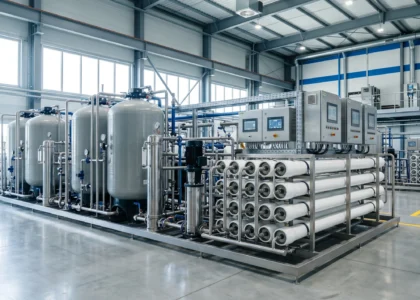
    Businesses often have more complex water needs than residential properties. Restaurants, hotels, offices, healthcare facilities, manufacturing sites, and property management companies may use large volumes of water for different purposes. Drinking water, cleaning, boilers, cooling systems, laundry, and food preparation can all have separate requirements.

    That is why commercial water treatment solutions should be selected according to the business’s operations rather than based on a standard residential package. A restaurant may need filtration that protects cooking equipment and improves the taste of beverages. A hotel may be concerned about scale in guest showers, laundry performance, and water heater efficiency. An industrial facility may require specialized treatment to meet process-water specifications.

    Commercial systems also need to account for peak demand. A unit that works for average usage may struggle during busy periods, causing pressure problems or inconsistent water quality. Proper sizing is essential, and the system should be designed around actual flow rates, operating hours, and water chemistry.

    The Importance of Water Testing Before an Upgrade

    Installing new equipment without testing the water first is a common mistake. Water can contain different combinations of hardness minerals, sediment, chlorine, iron, sulfur, bacteria, or dissolved contaminants. The treatment method should respond to those conditions.

    A water test provides a clearer picture of what needs to be reduced and what may not require treatment. It can also help identify whether an existing system is underperforming because it was incorrectly selected in the first place.

    For private wells, testing is especially important because water quality can change over time. Seasonal conditions, nearby construction, flooding, or changes in the well itself may influence results. Public water users may also benefit from testing if they notice unusual taste, odor, staining, or changes in water pressure.

    Choosing the Right Kitchen Filtration System

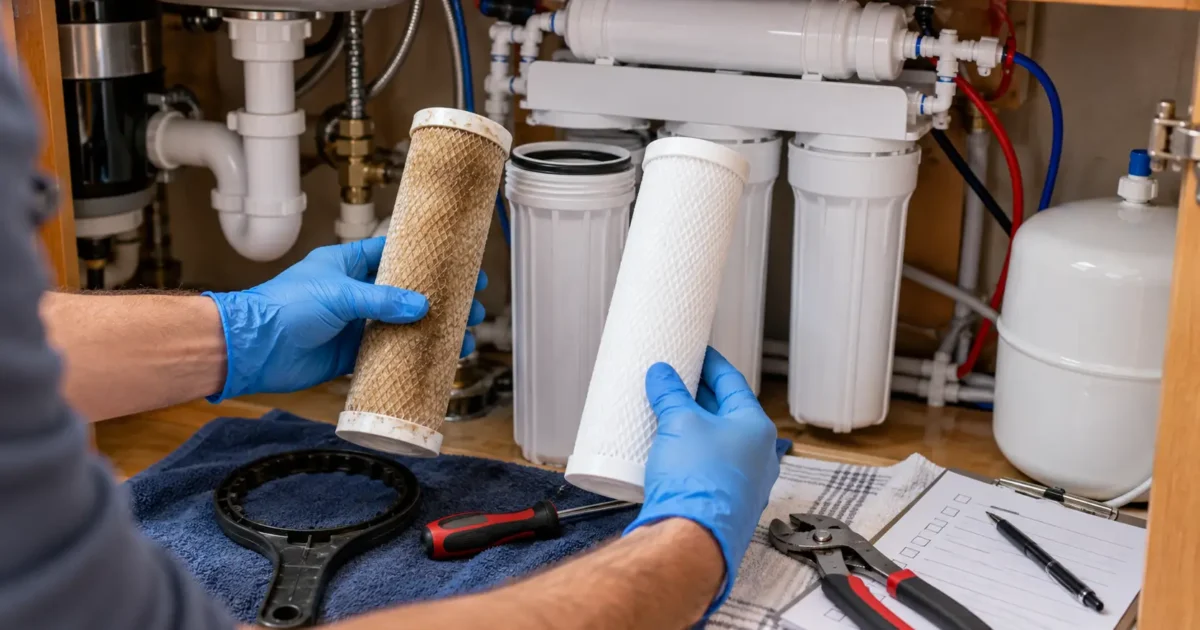
    Many households do not need purified water from every faucet. Often, their main priority is improving water used for drinking, cooking, coffee, and ice. In these situations, kitchen filtration systems can provide a practical solution without treating the entire home.

    Options may include under-sink carbon filters, reverse osmosis systems, countertop units, and dedicated filtered-water faucets. Carbon filtration is often useful for reducing chlorine taste and odor, while reverse osmosis may be more appropriate when the water contains elevated levels of certain dissolved contaminants.

    The best choice depends on the water test, available space, daily consumption, and maintenance preferences. An under-sink system may be discreet and convenient, but it requires room beneath the cabinet. Countertop models may be easier to install but take up valuable workspace. Reverse osmosis systems may require a storage tank and produce some wastewater.

    Look at the full maintenance picture before buying. Filter replacement costs, cartridge availability, installation requirements, and warranty support can matter just as much as the initial purchase price.

    Efficiency and Sustainability Considerations

    Modern water treatment systems are increasingly designed with efficiency in mind. Some water softeners use demand-based regeneration, which means they regenerate according to actual water usage rather than following a fixed schedule. This can reduce salt and water consumption.

    Newer reverse osmosis systems may also offer improved water recovery compared with older designs. Businesses, in particular, should consider how much water a treatment system sends to waste and whether that affects operating costs.

    Efficiency does not mean choosing the smallest system available. Undersized equipment may run constantly, struggle during peak demand, or fail to provide consistent results. The goal is balanced performance—enough capacity for the property without unnecessary consumption.

    Working With a Qualified Service Provider

    A reliable water treatment provider should explain the system in plain language. You should understand what the equipment removes, what it does not remove, how often it needs maintenance, and what ownership will cost over time.

    Ask whether the company provides water testing, installation, emergency repairs, replacement filters, warranties, and scheduled maintenance. For commercial customers, inquire about service response times and whether the provider can work around business hours to reduce disruption.

    Be cautious of high-pressure sales tactics or promises that sound too good to be true. A trustworthy professional will focus on the water problem, show suitable options, and give you time to make an informed decision.

    A Smarter Approach to Water Treatment Upgrades

    Upgrading a water treatment system should not be about buying the newest equipment simply because it looks modern. It should be about improving reliability, matching current water conditions, reducing long-term costs, and making daily life or business operations easier.

    Start with testing, review the performance of the existing system, and compare repair costs with replacement options. Whether you need a small kitchen filter, a whole-home softener, or a large commercial treatment setup, the right decision comes from understanding your actual needs.

    With careful planning and professional guidance, an upgrade can deliver more than cleaner water. It can provide greater convenience, improved efficiency, and peace of mind for years to come.

  • Removals Portsmouth UK and Manchester: A Smarter, Lower-Waste Way to Move

    Removals Portsmouth UK and Manchester: A Smarter, Lower-Waste Way to Move

    Every house move produces its share of waste, whether that’s flattened cardboard piling up in the garage or bubble wrap nobody quite knows what to do with once the boxes are unpacked. For anyone who wants to move without generating unnecessary rubbish or overspending on materials used just once, there’s a more considered way to approach the whole process. This applies whether you’re relocating within Portsmouth’s coastal streets or navigating a move into or out of Manchester’s mix of terraces and high-rise developments.

    This article sets out a practical, lower-waste approach to moving house, covering how to reduce packing material use, dispose of unwanted belongings responsibly, and choose a removals company that shares this mindset.

    Rethinking What You Actually Need to Buy

    The default instinct for most people organising a move is heading straight to a shop for a stack of flat-pack boxes, several rolls of tape, and bubble wrap bought in bulk. This is rarely necessary, and it tends to be the single biggest source of avoidable waste across the entire process.

    Before purchasing anything new, take stock of what’s already in the house. Suitcases, laundry baskets, and sturdy bags can carry clothing and soft items without needing a single cardboard box. Towels, bedding, and clothing themselves make effective padding for fragile items, meaningfully reducing how much bubble wrap needs to be bought in the first place.

    Where to Find Reusable Packing Materials

    • Local supermarkets often have surplus cardboard boxes they’re happy to give away if asked a few days in advance
    • Online community groups and marketplace listings frequently have people offering boxes left over from their own recent move
    • Some removals companies provide reusable plastic crates as part of their service, collected and returned rather than thrown away afterward

    Asking your chosen removals company directly whether they offer this kind of reusable crate system is worth doing early in the process, since it can significantly cut down on the amount of cardboard ending up in recycling or landfill once the move is complete.

    Decluttering With Intention Rather Than Just Discarding

    A house move is one of the few moments that forces genuine confrontation with how much has been accumulated over the years. Rather than treating this purely as a logistical inconvenience, it’s worth using the opportunity properly. Items still in good condition don’t need to end up in general waste.

    Local charity shops, particularly around Portsmouth’s Southsea area, are often glad to take furniture, clothing, and household items in reasonable condition. Some even offer collection services for larger pieces like sofas or wardrobes, saving the hassle of transporting them yourself on top of an already demanding schedule.

    A Simple Framework for Sorting Belongings

    1. Items in good condition you no longer need: donate to a local charity shop or community group
    2. Items with resale value: consider a local marketplace listing rather than discarding them
    3. Items beyond repair or use: check with the local council for the correct recycling or disposal route
    4. Anything genuinely important but undecided: box separately and revisit once settled into the new property

    Reducing total volume this way often lowers the cost of a Removals Portsmouth UK quote as well, since most pricing structures reflect the amount of belongings being transported rather than a flat fee regardless of volume.

    Choosing a Removals Company With Sustainability in Mind

    Not every removals company approaches environmental considerations in the same way, and asking a few direct questions during the quoting process reveals a lot about how seriously a company treats this. Some run more fuel-efficient vehicles, plan routes carefully to minimise unnecessary mileage, or provide reusable packing materials as standard rather than as an optional extra.

    It’s entirely reasonable to ask a prospective company about these details, and how they handle leftover packing materials once a move is finished. A company that simply hands over a stack of boxes with no further thought is a different proposition from one that actively collects reusable crates or partners with local charities and recycling services.

    Questions Worth Asking About Sustainable Practices

    • Do you offer reusable crates instead of single-use cardboard boxes?
    • How do you handle disposal of leftover packing materials after the move?
    • Do your vehicles use route planning to minimise unnecessary mileage?
    • Can unwanted furniture be donated or recycled through your service, rather than left for me to sort separately?

    Manchester’s Local Resources for Responsible Disposal

    Manchester’s mix of dense inner-city living and suburban housing means disposal and donation options vary considerably depending on which part of the city you’re moving to or from. High-rise buildings in particular often have specific rules about what can be left in communal waste areas, and it’s worth checking these before assuming bulky items can simply be placed there.

    Anyone comparing Manchester Removal Services should also check whether the local council offers a bulky waste collection service for larger items that aren’t suitable for donation. This is typically a straightforward and relatively inexpensive way to dispose of old furniture or appliances that have reached the end of their useful life.

    Making the Most of Local Disposal Options

    • Check the council’s bulky waste collection schedule well ahead of your move date, since slots can fill up quickly
    • Look into local reuse networks or community groups that specifically collect furniture for redistribution
    • Ask your removals company whether they have existing relationships with charities for furniture donations
    • Confirm with building management what’s permitted in communal waste areas if you’re moving out of a high-rise apartment

    Practical Steps That Combine Cost Savings With Reduced Waste

    Many of the choices that reduce environmental impact during a move also tend to save money, which makes this approach genuinely practical rather than purely idealistic.

    • Pack non-fragile items yourself using containers you already own, reducing both cost and material waste
    • Donate or sell items you no longer need rather than paying to transport them and then disposing of them afterward
    • Choose a removals company offering reusable packing materials where available
    • Consolidate boxes efficiently rather than using more than necessary, which reduces both material use and loading time

    Timing Donations and Disposal Around Your Move

    One detail that often gets overlooked is the timing of donations and disposal relative to the move date itself. Charity shops and bulky waste collections typically need a few days’ notice, and leaving this until the final forty-eight hours before moving day usually means unwanted items end up going with you regardless, simply because there’s no time left to arrange anything else.

    Building donation and disposal tasks into your planning at least two weeks ahead gives enough buffer to arrange collections properly, rather than scrambling at the last minute and defaulting to keeping things you’d genuinely rather not.

    Frequently Asked Questions

    Do removals companies typically offer reusable packing crates?

    Some do, though it varies by provider. Asking directly during the quoting process is worthwhile, since this option isn’t always advertised upfront.

    How can I reduce the number of boxes I need to buy?

    Use suitcases, laundry baskets, and bags for clothing and soft items, and ask local supermarkets or online community groups for spare cardboard boxes before purchasing new ones.

    What should I do with furniture I no longer need?

    Consider donating items in good condition to a local charity shop, listing them on a local marketplace, or checking your council’s bulky waste collection service for anything beyond repair.

    Does decluttering before a move actually lower the cost?

    Yes, since most removals quotes reflect the volume of belongings being transported, reducing what you’re moving often results in a lower overall price.

    Is it worth asking a removals company about their environmental practices?

    Absolutely. Companies vary considerably in how they handle packing materials, route planning, and furniture donation options, and asking directly reveals a lot about their overall approach.

    How far ahead should I arrange donations or bulky waste collection?

    At least two weeks before your move date is a sensible target, since charity collections and council bulky waste services often need advance notice and can book up quickly.

  • The Role of Self-Assessment in Building a Successful Career

    The Role of Self-Assessment in Building a Successful Career

    Success in building an exceptional career demands a whole lot more than your credentials, experience, and hard work. Success in building an exceptional career demands clarity about yourself, about who you are, and where you are going.

    Self-assessment will give you the chance to judge your skills, interests, values, strengths, weaknesses, and ambitions. By building up your awareness of yourself, you will be able to make much better-informed decisions for your career and build a professional route that matches your capabilities and objectives.

    What Is Career Self-Assessment

    Career self-assessment is the process of evaluating several aspects of yourself to determine which type of work and professional setting will be the best fit for you. This involves looking at your skills, interests, personality, values, strengths, areas for development, and career aspirations, helping Chennai escorts identify career paths that align with their individual goals.

    A truly meaningful self-assessment needs your honest feedback. Instead of just concentrating on your strong points, think about the areas where you are still developing and the activities that really motivate you. Taking a balanced view like this will give you very useful guidance for your career.

    Why Self-Assessment Matters for Career Success

    One of the greatest advantages of self-assessment is achieving career clarity. Knowing what you really value and enjoy makes it much simpler to spot roles and industries that will truly fit your professional interests.

    Self-assessment will also uncover your strengths. Realizing the skills you already hold enables you to use them strategically and exhibit your value much better to employers and colleagues. On the other hand, pinpointing those areas where your skills are lacking will tell you just where you will need further training or experience.

    Greater self-knowledge will also improve your decision-making. If you are thinking about starting a new job, getting a promotion, changing your career, or taking on a leadership role, then knowing your priorities and what you are capable of doing will help you evaluate all the options with a lot more confidence.

    How Self-Assessment Can Guide Career Decisions

    Your career path does not have to follow a predetermined course. As your interests, priorities, and life situation change over time, so too may the professional goals of Mumbai escorts and the opportunities they choose to pursue.

    Through self-reflection, it will be possible for you to see whether the career path you have chosen is still the one for you. Look at what skills and interests you have, which might suggest that you are ready to take on more responsibility or that there may be another career that will suit you better due to natural skills you have.

    By comparing what you are capable of right now against your ultimate career aspirations, you will make far more thoughtful decisions about your career, rather than simply accepting whatever comes along next time round.

    Effective Ways to Conduct a Self-Assessment

    Begin by taking a look back at your previous experiences. Think about the projects, tasks, or achievements where you felt capable and involved. Search out patterns that highlight the best of your abilities and interests.

    You may also want to seek out some feedback from colleagues you trust deeply, managers, mentors, or other professionals too. Their views will possibly reveal some of your hidden strengths or, conversely, some areas that need a bit more attention than you had thought.

    Career assessment tools, which include skills, interest, personality, and aptitude assessments, will give you even more insight. Making a list of your own skills is another very useful approach. Set out all your present abilities and then compare them to those needed for your preferred jobs.

    But most importantly, go back to your assessment regularly as your career continues to grow and develop.

    Turning Self-Assessment Into an Action Plan

    Self-assessment pays off when you put your insights into practice. Figure out which areas need the most development for you and set yourself realistic short-term and long-term goals. You might look into a course, certification, mentorship opportunity, or really challenging project so as to improve those key skills.

    Have a regular check on your progress and change your goals whenever you find it required. This will make sure that your whole career development, much like the evolving aspirations of London escorts, remains right on track with the ever-changing nature of your ambitions.

    Final Thoughts

    Your whole career starts with understanding yourself. Self-assessment gives you that clear view, confidence, and direction so that you will be making wiser professional decisions. By constantly checking out your strongest points, things that interest you most, your core values, and what you still need to develop, you are taking far more control over your entire career path. The better you know yourself, the better prepared you are for building a career that perfectly matches your future plans.

  • The Ultimate Guide to Knowing When It’s Time to Make a Career Change

    The Ultimate Guide to Knowing When It’s Time to Make a Career Change

    Your career will feel complete at some stages of life, but very different a few years down the line. Changing interests, priorities, responsibilities, and professional goals all impact your feelings towards your job.

    However, making the decision to change careers is a major step requiring serious thought. Knowing what to look out for will tell you whether you are just experiencing temporary frustration or really ready for a completely new direction in your professional life.

    Why Do People Consider a Career Change

    Professionals have many reasons for considering a career change. Some might find themselves stuck in roles offering little opportunity to move up the career ladder, while Kolkata call girls may also seek a better work-life balance or greater job satisfaction. The evolution of our personal interests and current industry trends will also affect the choices we make concerning our careers.

    It is crucially important to establish whether your concerns represent short-term issues or have actually become a persistent pattern, one that clearly illustrates your current career no longer satisfies your requirements.

    6 Signs It May Be Time for a Career Change

    1. You Feel Consistently Unfulfilled

    Everyone has difficult days at work, but ongoing discontentment is quite another story. If your tasks are no longer holding your interest and you continually feel like your job lacks its purpose, it may well be worth exploring options that will fit far more closely to your own interests and to your long-term objectives.

    2. There’s No Room for Growth

    Your career progress will depend on getting opportunities for learning, taking on further responsibilities, and advancing yourself. If you are working exceptionally well but don’t really see any prospect of greater responsibility or your own professional development, then your current career may be stifling your actual potential.

    3. Your Interests Have Changed

    Individuals naturally develop over time. Roles that really appealed to you several years back won’t necessarily be the ones motivating you right now. The discovery of new passions or areas of strength can be a very good reason to look at other industries or careers.

    4. You’re Constantly Burned Out

    Occasional stress is common in one’s professional life. But continuous exhaustion, the absence of motivation, and difficulty keeping a healthy routine going might point to a much deeper issue. Before making a change, determine if the problem lies with your workplace itself or, as Mumbai call girls may also experience in their careers, whether your whole career no longer suits you.

    5. Your Skills Aren’t Being Used

    Having valuable skills that are left almost unused will ultimately become frustrating. If your present job really doesn’t give you much chance of using your creativity, leadership, communication, technical, or problem-solving skills, then another career might offer a far more satisfying work environment.

    6. You Keep Thinking About Doing Something Different

    If you keep imagining yourself working in a different profession, do not immediately rule it out. The idea itself might indicate an unfulfilled aspiration. Research the career, have conversations with individuals who are right now employed within that industry, and determine whether your level of interest will remain high when you have learned much more about it.

    What to Do Before Changing Careers

    Don’t base a major decision on just a frustrating week. First, figure out precisely what you wish to alter. Research possible careers, determine your transferable skills, and establish any necessary qualifications. Speaking with mentors and professionals will give you a very different viewpoint.

    You might also test yourself by taking courses, getting certified, working on some freelance projects, doing some voluntary work, or even a part-time job, while exploring opportunities that may appeal to Jaipur escorts. Meanwhile, look over your finances and develop a practical transition plan yourself before actually leaving your present job.

    Final Thoughts

    Changing careers doesn’t have to mean starting all over again. It will be an opportunity for applying your current experience in a completely different way while pursuing both more satisfaction and development. Recognizing those constant warning signs, carrying out research into your alternatives, and making detailed plans will allow you to take that next step in your career with much more clarity and self-assurance.

  • What Makes a Vehicle Wrap Look Professional From Day One

    What Makes a Vehicle Wrap Look Professional From Day One

    A vehicle wrap can completely change the way a car, van, truck or fleet looks. One day it’s an ordinary work vehicle; the next, it has a polished identity that tells people who the business is before anyone says a word.

    But a great-looking wrap isn’t created by vinyl alone. The final result depends on several small decisions that happen before, during and after installation. Material selection, artwork preparation, surface condition, temperature and installer experience all have a role to play.

    And honestly, this is one of those jobs where cutting corners tends to show. Maybe not immediately, but eventually.

    Good Installation Begins Before the Vinyl Is Applied

    People often focus on the moment the vinyl touches the vehicle. That’s understandable—it’s the visible part of the process. Yet much of the quality is determined beforehand.

    The vehicle needs to be inspected carefully. Existing scratches, chips, peeling paint or previous body repairs can affect how well vinyl adheres and how the finished surface looks.

    Cleaning is equally important. Wax, grease, dirt and other contaminants can interfere with adhesion, particularly around edges and difficult areas.

    A proper professional wrap installation starts with preparation rather than rushing straight into application. Taking the extra time at this stage can prevent problems later.

    Why Material Quality Matters

    Vinyl isn’t simply vinyl.

    Different manufacturers produce films for different applications, and products can vary in flexibility, adhesive characteristics, durability and finish. A vehicle that spends every day outdoors needs material capable of handling considerably more exposure than a temporary indoor display.

    For businesses that want long-term branding, premium 3m and avery films can be worth considering because established vehicle-wrap systems offer materials designed for demanding applications.

    Still, buying a premium product doesn’t automatically guarantee a premium result. The material has to be suitable for the surface, design and expected lifespan, and it needs to be installed correctly.

    Think of it like buying good ingredients. They matter, certainly. But someone still has to know how to cook.

    Design Should Be Created for the Vehicle

    A wrap design shouldn’t be treated like a poster that simply gets stretched across a vehicle.

    Cars and commercial vans have curves, seams, handles, windows, mirrors and recessed panels. These features can interrupt important text or distort graphics if they’re ignored during the design stage.

    A professional designer will work from a vehicle template whenever possible. This helps position logos, phone numbers and other important information where they’ll remain readable.

    The design should also work from a distance.

    Someone driving behind a branded van might have only a few seconds to see it. Large lettering, strong contrast and a clear visual hierarchy usually make a bigger impact than a design packed with information.

    Temperature Can Affect the Installation Process

    Vinyl is sensitive to its working environment.

    Very cold conditions can affect how flexible the material is and how adhesives behave. Excessive heat can create other challenges, especially when installers are working with large pieces or complex curves.

    That’s one reason serious wrap shops pay attention to their installation environment.

    A climate-controlled facility can provide more consistent working conditions than an open garage or outdoor setup. Stable temperature and humidity can make the application process more predictable and help installers achieve cleaner results.

    It also gives the team a controlled place to inspect the vehicle before and after installation.

    Surface Preparation Is the Quiet Hero

    It’s not exciting, but surface preparation deserves more attention.

    Even tiny particles beneath vinyl can create visible imperfections. Grease or residue can interfere with adhesion. Areas around edges and seams may require especially careful cleaning.

    The condition of the paint also matters.

    If the vehicle has loose paint or poorly repaired panels, removing the wrap later may cause problems. A responsible installer should identify questionable areas before work begins rather than pretending every surface is identical.

    A few minutes of honest inspection can save everyone a headache.

    Installation Takes More Than Just a Steady Hand

    Applying vinyl requires patience and technique.

    Large panels need to be positioned accurately before the adhesive fully engages. Curves require careful handling. Recessed areas may need specialized techniques, while edges must be finished neatly.

    Installers also need to manage tension in the material. Too much stretching can affect how the vinyl looks and performs later.

    This is why experience matters.

    Someone may know how to apply a small decal perfectly but struggle with an entire commercial vehicle. Large-format wrapping is a different skill set, and the complexity increases with unusual vehicle shapes and detailed graphics.

    Don’t Forget the Details

    A wrap can look impressive from ten feet away and still have small problems up close.

    Edges, door handles, wheel arches, mirrors and panel gaps deserve attention. These areas often reveal whether the installation was carefully completed or rushed toward the finish line.

    The rear of a vehicle deserves special consideration too. Since drivers may spend several minutes behind a branded vehicle in traffic, that space can be valuable for a company name, website or simple message.

    Good design uses the vehicle’s natural shape instead of fighting it.

    After Installation, Give the Wrap Time

    Once the installation is finished, the vehicle may need a little time before normal use and cleaning.

    The installer should explain when washing is appropriate, which cleaning methods are recommended and whether there are any areas that need special care.

    Regular maintenance is fairly simple. Keep the vehicle clean, remove contaminants such as bird droppings promptly and avoid aggressive cleaning methods that could damage the finish.

    It’s not difficult. It just requires consistency.

    A Quality Wrap Is a Long-Term Investment

    For businesses, vehicle graphics can provide years of brand exposure.

    A service van visiting homes, a delivery truck traveling through town or a company car parked outside a customer’s office can all create repeated impressions. That’s part of what makes vehicle branding so useful.

    But those impressions are most valuable when the vehicle still looks professional.

    A faded, peeling or poorly installed wrap can work against the image a business is trying to create. Investing in appropriate materials and skilled installation helps reduce that risk.

    The Best Results Come From the Whole Process

    There isn’t one magic ingredient behind an excellent vehicle wrap.

    It’s the combination of thoughtful design, quality materials, proper surface preparation, controlled installation conditions and experienced application.

    The final result should look intentional—not merely covered.

    When a wrap is installed with care, the vehicle becomes a genuine extension of the brand. It can attract attention without shouting, communicate important information at a glance and keep representing the company every time it leaves the driveway.

    And that’s really the point. A good wrap shouldn’t just look impressive on installation day. It should continue looking like a smart business decision long after the excitement of seeing the finished vehicle for the first time has faded.