There’s a certain comfort in turning on the kitchen tap, filling a glass, and knowing the water is ready to drink. Most of us do it without thinking twice. But when the water starts tasting different, leaves chalky marks around the sink, or develops an unpleasant smell, that everyday routine can suddenly raise a few questions.
Is the water safe? Would a filter help? And how do you know which system is worth the money?
These are fair questions, especially with so many water treatment products competing for attention. The truth is that better drinking water doesn’t always require an expensive setup. It starts with understanding your water supply, identifying any concerns, and choosing a solution that actually addresses them.
Why Water Filtration Matters More Than You Think
Water can pick up different substances depending on its source, treatment process, surrounding environment, and the plumbing it travels through. Some are naturally occurring minerals, while others may come from disinfection processes, agricultural activity, or aging pipes.
Hard water, for instance, contains calcium and magnesium. These minerals can leave deposits on faucets, shower screens, and appliances. Chlorine, commonly used to disinfect public water supplies, may affect taste and smell. Other contaminants, including certain metals and microorganisms, require more specific attention.
Good drinking water filtration can help improve water’s taste and reduce particular unwanted substances when the equipment is designed for that purpose. However, filtration isn’t a universal solution. A filter that reduces chlorine may do little against dissolved salts, and a basic sediment cartridge won’t necessarily remove harmful microorganisms.
It’s also worth remembering that clear water isn’t automatically safe. Some contaminants cannot be detected by sight, smell, or taste alone. That’s why testing is often more useful than guessing based on how the water looks.
Start With Your Water Source
Before shopping for a filtration system, take a moment to understand where your water comes from. The best treatment option for a municipal supply may differ considerably from what’s needed for a private well.
Public water systems generally treat and monitor their supplies according to applicable standards. Reviewing your local water quality report can help you understand what the utility tests for and which substances have been detected. Still, the water may change as it travels through a building’s pipes, especially in older properties.
Private wells require a different approach. Their water quality can vary with local geology, rainfall, nearby septic systems, and agricultural activity. Because these supplies aren’t routinely monitored by a public water utility, owners should arrange regular testing based on local guidance and potential risks.
A laboratory can test for specific concerns such as bacteria, nitrates, arsenic, or lead. Basic home testing kits may help with preliminary checks, but they have limitations and shouldn’t replace appropriate laboratory analysis when health-related contamination is suspected.
Once you understand the source and the likely concerns, comparing treatment options becomes much more straightforward.
Understanding the Main Types of Water Filters
Walk into a home improvement store or browse online, and you’ll find everything from simple faucet attachments to sophisticated multi-stage systems. Each type has advantages, but the differences matter.
Activated carbon filters are popular because they can improve taste and reduce chlorine and certain organic compounds. They’re often suitable for households whose main complaint is unpleasant-tasting tap water.
Reverse osmosis systems use a semipermeable membrane to reduce many dissolved substances. Depending on the model and operating conditions, they can help address concerns involving certain salts, metals, and other contaminants. These systems may produce wastewater and require periodic membrane and filter changes, so their ongoing costs deserve consideration.
Sediment filters capture particles such as sand, rust, and other suspended material. They’re sometimes installed as a preliminary stage to protect other equipment, but they aren’t designed to remove every dissolved contaminant.
Ultraviolet systems can inactivate susceptible microorganisms when correctly selected and maintained. They don’t remove dissolved chemicals or minerals, though, and effective performance depends on suitable water conditions and equipment operation.
No single technology is best for every home. Look for independent certification and clear documentation showing which contaminants a product is designed to reduce. Broad promises about making water completely pure should be treated with caution.
When Well Water Needs Special Attention
Households using private wells may encounter challenges that aren’t common in every municipal supply. Iron staining, excessive hardness, sulfur-like odors, and microbial contamination are all possible, although their likelihood depends on the local environment.
Effective well water treatment begins with testing rather than purchasing equipment based on a neighbor’s experience. Two wells in the same area can have different water characteristics, so a solution that works for one property may not be suitable for another.
For example, a water softener can reduce hardness, while an iron treatment system may be needed to manage staining. If testing identifies microbial contamination, appropriate disinfection and investigation of the well itself may be necessary. A softener won’t make bacteria-contaminated water safe to drink.
The condition of the well matters, too. A damaged cap, poor drainage around the wellhead, or nearby contamination sources can contribute to water problems. Treating the water without addressing the underlying source may leave the household vulnerable to recurring issues.
Well owners should also retest after significant events, such as flooding or repairs, and follow local recommendations for routine monitoring. A reliable treatment system is useful, but it shouldn’t create a false sense of security.
Don’t Overlook Filter Replacements and Upgrades
One of the easiest mistakes is installing a good filtration system and then forgetting about it. Filters have a limited service life, and their performance can decline as they accumulate particles or reach the end of their rated capacity.
Following the manufacturer’s maintenance schedule is essential. Replacement intervals vary according to the filter type, water quality, and household usage. A cartridge serving a large family may need attention sooner than one used in a small household.
Regular filter replacements & upgrades also give you an opportunity to check whether the system still meets your needs. Perhaps the household has grown, water usage has increased, or new test results reveal a concern that wasn’t previously considered.
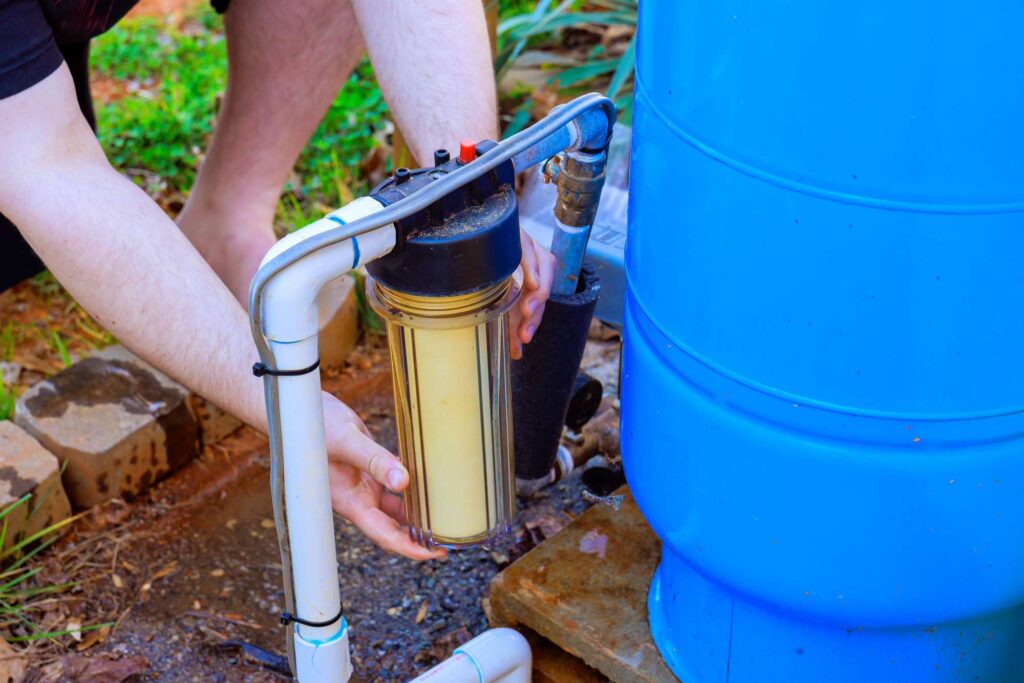
When replacing cartridges, choose compatible components that meet the manufacturer’s specifications. Check seals and connections for leaks, and follow the recommended flushing procedure before using the system again.
If water flow suddenly decreases or the taste changes, don’t automatically assume the entire unit needs replacing. A clogged cartridge, incorrect installation, or another plumbing issue may be responsible. Troubleshooting the actual cause can save money and prevent unnecessary waste.
Installation and Everyday Maintenance
Even a well-designed filter can perform poorly when installed incorrectly. Poor connections may leak, while unsuitable equipment can restrict water flow or fail to treat the intended contaminants effectively.
Under-sink and countertop filters may be relatively simple to install, depending on the design. Whole-house systems, reverse osmosis units, and equipment connected directly to the main supply may require professional assistance, particularly when drainage, electrical connections, or plumbing modifications are involved.
Before installation, consider available space, water pressure, maintenance access, and replacement-part availability. Ask the supplier how the system should be serviced and whether professional installation is required to preserve the warranty.
It’s also sensible to keep a record of maintenance dates and occasional test results. These small habits make it easier to spot changes and ensure the system continues operating as intended.
Better Water Starts With an Informed Choice
Choosing a water filtration system doesn’t need to be complicated. Start by identifying the source of your water, investigate any unusual taste or appearance, and arrange suitable testing when necessary. Then compare equipment based on its verified performance, maintenance requirements, and long-term cost.
For some homes, a simple carbon filter is enough to improve drinking water’s taste. Others may need specialized treatment for hardness, dissolved contaminants, or private well concerns.
The goal isn’t to buy the most advanced equipment available. It’s to find a dependable solution that fits your household and addresses a real need.
Water is part of nearly every daily routine, from making the first cup of tea to preparing dinner and filling bottles for the next day’s journey. Taking a little time to understand it can make those ordinary moments more reassuring. With appropriate testing, suitable filtration, and consistent maintenance, better water becomes a practical part of looking after your home.