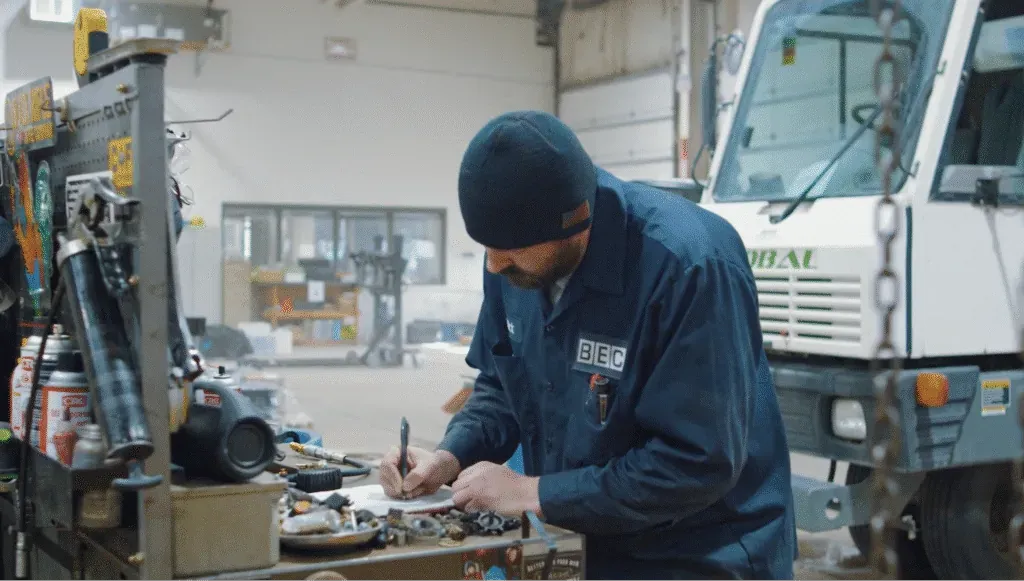
Most systems don’t fail without warning. More often, there are small signs first: unusual noises, slower performance, rising energy bills, minor leaks, inconsistent output, or parts that simply don’t behave the way they used to. The trouble is, these clues are easy to ignore when everything still seems to be working.
That’s why maintenance matters. Whether you’re looking after HVAC equipment, plumbing, water treatment equipment, electrical systems, or machinery, regular care can make a noticeable difference. It helps identify small issues before they become expensive problems, improves efficiency, and can extend the useful life of equipment. In the long run, a little attention today may save you from a frustrating repair tomorrow.
Small Problems Rarely Stay Small
It’s tempting to postpone maintenance when a system appears to be working normally. After all, why fix something that isn’t broken?
The problem is that many mechanical and technical issues develop quietly. A worn component may continue operating for weeks before it finally fails. A clogged filter can gradually reduce efficiency. A small leak might start as an occasional drip and eventually cause serious damage to surrounding areas.
Regular checks give you a chance to spot these problems early. Instead of dealing with an emergency repair on a busy Monday morning, you may be able to schedule a simple service appointment at a convenient time.
This is especially useful for systems that operate every day. Constant use naturally creates wear, even when the equipment is well designed.
The Value of Routine Inspections
A maintenance program doesn’t have to be complicated. In many cases, the most important step is simply paying attention and arranging routine inspections before something goes wrong.
During an inspection, a professional can examine components that aren’t always visible or easy for a homeowner or business owner to assess. They may check connections, moving parts, filters, pressure levels, electrical components, drainage, signs of corrosion, and general operating performance.
The exact inspection process depends on the type of system, of course. An HVAC unit needs different checks from a water filtration system or commercial pump. But the principle remains the same: identify developing problems while they’re still manageable.
Inspections also provide useful information about the condition of equipment. If a component is beginning to wear, you can plan for its repair or replacement instead of being caught off guard.
Maintenance Can Improve Efficiency
Efficiency isn’t only about saving money on utility bills. A system that operates efficiently generally works with less strain.
Consider an air-conditioning system with a dirty filter or restricted airflow. The equipment may need to run longer to achieve the desired temperature. Similarly, a pump struggling against a developing blockage may consume more energy while delivering poorer performance.
Over time, these small inefficiencies can add up.
Keeping components clean, properly adjusted, and in good working order allows equipment to perform closer to its intended capacity. It doesn’t guarantee lower operating costs in every situation, but it can help prevent unnecessary energy use caused by neglect.
For businesses, the impact can be even more noticeable because commercial systems often operate for long hours and serve larger spaces or heavier workloads.
Protecting Equipment From Premature Wear
Every system has components that naturally wear out. Maintenance can’t make equipment last forever. What it can do is reduce avoidable stress.
For example, replacing a dirty filter, tightening a loose connection, cleaning a buildup, or correcting an unusual operating condition may prevent additional components from being damaged.
Without proper attention, one failing part can sometimes place extra pressure on another. Eventually, what could have been a straightforward repair becomes a larger job.
This is one reason maintenance is often more economical than waiting for complete failure. It may reduce the likelihood of premature replacements, particularly when expensive equipment is involved.
That doesn’t mean every old component should be kept in service indefinitely. Sometimes replacement is the smarter and safer choice. The important thing is making that decision based on condition, performance, and professional assessment rather than an unexpected breakdown.
Maintenance Helps With Safety, Too
Some maintenance issues are more than inconvenient. They can create safety concerns.
Electrical faults, gas-related problems, water leaks, overheating equipment, damaged wiring, and malfunctioning mechanical components can all deserve immediate attention. Ignoring warning signs isn’t worth the risk.
Professional inspections are particularly important when a system involves electricity, gas, pressure, chemicals, or complex mechanical parts. These aren’t areas where guessing is a good maintenance strategy.
Homeowners can handle simple tasks such as changing accessible filters or keeping equipment areas clean, but complicated repairs should generally be left to qualified professionals. Knowing where DIY maintenance ends and professional service begins is part of responsible ownership.
A Maintenance Schedule Makes Things Easier
One of the simplest ways to stay consistent is to create a maintenance schedule.
Instead of remembering everything from memory, keep a basic record of service dates, repairs, replacements, and unusual issues. For larger properties or businesses, digital maintenance records can make this much easier.
A useful schedule might include:
- Regular visual checks
- Filter cleaning or replacement
- Professional inspections
- Seasonal servicing
- Testing of safety components
- Cleaning and lubrication where appropriate
- Monitoring unusual sounds, smells, leaks, or performance changes
The schedule should match the manufacturer’s recommendations and the actual demands placed on the equipment. A heavily used commercial system may need more frequent attention than a lightly used residential one.
Don’t Ignore the Warning Signs
Maintenance becomes much easier when you learn to recognize changes in normal performance.
A strange smell, unexplained noise, fluctuating pressure, reduced output, unusual vibration, water around equipment, or repeated circuit interruptions shouldn’t automatically be dismissed as “just one of those things.”
These signs don’t always mean a major failure is coming. Sometimes the cause is simple. But checking early gives you more options.
It also helps to know the history of your equipment. If the same issue keeps returning after repairs, that pattern may indicate a deeper problem. A professional can use that information to determine whether repair, adjustment, or replacement makes the most sense.
Keeping Systems Reliable Over Time
Good maintenance isn’t about obsessively checking every screw and component. It’s about being proactive instead of reactive.
Equipment inevitably ages, but neglect can make that process harder and more expensive. Consistent servicing, sensible repairs, and timely professional inspections can help keep important equipment dependable for longer.
More importantly, maintenance provides peace of mind. You know what condition your system is in, what may need attention soon, and what expenses you can reasonably expect.
In the end, the goal isn’t simply to make equipment last as long as possible. It’s to keep the system in top condition so it performs reliably, safely, and efficiently when you actually need it. A few hours spent maintaining something today can spare you days of inconvenience later—and that’s a trade most homeowners and businesses will gladly take.