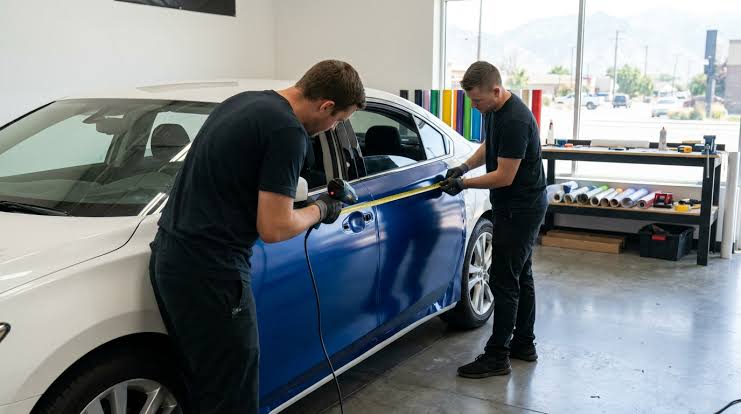
A vehicle wrap can completely change the way a car, van, truck or fleet looks. One day it’s an ordinary work vehicle; the next, it has a polished identity that tells people who the business is before anyone says a word.
But a great-looking wrap isn’t created by vinyl alone. The final result depends on several small decisions that happen before, during and after installation. Material selection, artwork preparation, surface condition, temperature and installer experience all have a role to play.
And honestly, this is one of those jobs where cutting corners tends to show. Maybe not immediately, but eventually.
Good Installation Begins Before the Vinyl Is Applied
People often focus on the moment the vinyl touches the vehicle. That’s understandable—it’s the visible part of the process. Yet much of the quality is determined beforehand.
The vehicle needs to be inspected carefully. Existing scratches, chips, peeling paint or previous body repairs can affect how well vinyl adheres and how the finished surface looks.
Cleaning is equally important. Wax, grease, dirt and other contaminants can interfere with adhesion, particularly around edges and difficult areas.
A proper professional wrap installation starts with preparation rather than rushing straight into application. Taking the extra time at this stage can prevent problems later.
Why Material Quality Matters
Vinyl isn’t simply vinyl.
Different manufacturers produce films for different applications, and products can vary in flexibility, adhesive characteristics, durability and finish. A vehicle that spends every day outdoors needs material capable of handling considerably more exposure than a temporary indoor display.
For businesses that want long-term branding, premium 3m and avery films can be worth considering because established vehicle-wrap systems offer materials designed for demanding applications.
Still, buying a premium product doesn’t automatically guarantee a premium result. The material has to be suitable for the surface, design and expected lifespan, and it needs to be installed correctly.
Think of it like buying good ingredients. They matter, certainly. But someone still has to know how to cook.
Design Should Be Created for the Vehicle
A wrap design shouldn’t be treated like a poster that simply gets stretched across a vehicle.
Cars and commercial vans have curves, seams, handles, windows, mirrors and recessed panels. These features can interrupt important text or distort graphics if they’re ignored during the design stage.
A professional designer will work from a vehicle template whenever possible. This helps position logos, phone numbers and other important information where they’ll remain readable.
The design should also work from a distance.
Someone driving behind a branded van might have only a few seconds to see it. Large lettering, strong contrast and a clear visual hierarchy usually make a bigger impact than a design packed with information.
Temperature Can Affect the Installation Process
Vinyl is sensitive to its working environment.
Very cold conditions can affect how flexible the material is and how adhesives behave. Excessive heat can create other challenges, especially when installers are working with large pieces or complex curves.
That’s one reason serious wrap shops pay attention to their installation environment.
A climate-controlled facility can provide more consistent working conditions than an open garage or outdoor setup. Stable temperature and humidity can make the application process more predictable and help installers achieve cleaner results.
It also gives the team a controlled place to inspect the vehicle before and after installation.
Surface Preparation Is the Quiet Hero
It’s not exciting, but surface preparation deserves more attention.
Even tiny particles beneath vinyl can create visible imperfections. Grease or residue can interfere with adhesion. Areas around edges and seams may require especially careful cleaning.
The condition of the paint also matters.
If the vehicle has loose paint or poorly repaired panels, removing the wrap later may cause problems. A responsible installer should identify questionable areas before work begins rather than pretending every surface is identical.
A few minutes of honest inspection can save everyone a headache.
Installation Takes More Than Just a Steady Hand
Applying vinyl requires patience and technique.
Large panels need to be positioned accurately before the adhesive fully engages. Curves require careful handling. Recessed areas may need specialized techniques, while edges must be finished neatly.
Installers also need to manage tension in the material. Too much stretching can affect how the vinyl looks and performs later.
This is why experience matters.
Someone may know how to apply a small decal perfectly but struggle with an entire commercial vehicle. Large-format wrapping is a different skill set, and the complexity increases with unusual vehicle shapes and detailed graphics.
Don’t Forget the Details
A wrap can look impressive from ten feet away and still have small problems up close.
Edges, door handles, wheel arches, mirrors and panel gaps deserve attention. These areas often reveal whether the installation was carefully completed or rushed toward the finish line.
The rear of a vehicle deserves special consideration too. Since drivers may spend several minutes behind a branded vehicle in traffic, that space can be valuable for a company name, website or simple message.
Good design uses the vehicle’s natural shape instead of fighting it.
After Installation, Give the Wrap Time
Once the installation is finished, the vehicle may need a little time before normal use and cleaning.
The installer should explain when washing is appropriate, which cleaning methods are recommended and whether there are any areas that need special care.
Regular maintenance is fairly simple. Keep the vehicle clean, remove contaminants such as bird droppings promptly and avoid aggressive cleaning methods that could damage the finish.
It’s not difficult. It just requires consistency.
A Quality Wrap Is a Long-Term Investment
For businesses, vehicle graphics can provide years of brand exposure.
A service van visiting homes, a delivery truck traveling through town or a company car parked outside a customer’s office can all create repeated impressions. That’s part of what makes vehicle branding so useful.
But those impressions are most valuable when the vehicle still looks professional.
A faded, peeling or poorly installed wrap can work against the image a business is trying to create. Investing in appropriate materials and skilled installation helps reduce that risk.
The Best Results Come From the Whole Process
There isn’t one magic ingredient behind an excellent vehicle wrap.
It’s the combination of thoughtful design, quality materials, proper surface preparation, controlled installation conditions and experienced application.
The final result should look intentional—not merely covered.
When a wrap is installed with care, the vehicle becomes a genuine extension of the brand. It can attract attention without shouting, communicate important information at a glance and keep representing the company every time it leaves the driveway.
And that’s really the point. A good wrap shouldn’t just look impressive on installation day. It should continue looking like a smart business decision long after the excitement of seeing the finished vehicle for the first time has faded.