A walkway may look simple on the surface, but its strength comes from the layers beneath it. Landscaping companies near me plan these builds carefully so the path stays stable, drains properly, and blends seamlessly with the surrounding landscape. A thoughtful design prevents future repairs and creates a walkway that feels natural, safe, and long-lasting.
Proper Base Compaction to Prevent Future Settling
The base is the foundation of any walkway, and improper compaction leads to sinking, shifting, or uneven surfaces. Landscape contractors compact soil and aggregate layers in stages to lock them tightly together. This prevents the walkway from moving under pressure or settling after heavy rain. Compaction quality also affects the lifespan of the materials above. Landscaping near me inspections often show that poorly compacted bases cause pavers to tilt or crack. A solid base helps maintain level footing and reduces the amount of maintenance the path will need over time.
Slope and Grade Planning to Ensure Water Drains Away
Walkways must move water away rather than collect it. Landscapers create a slight slope—often unnoticed by the eye—to guide rainwater toward safe drainage areas. Even a small change in grade keeps puddles from forming and protects both the walkway and nearby plant beds.
Grading also helps prevent erosion. Landscaping services near me frequently adjust surrounding soil levels so runoff flows correctly instead of washing out the sides of the walkway. Proper drainage ensures the surface stays usable and reduces long-term damage.
Choosing Durable Materials Suited to Foot Traffic Levels
Walkways see very different traffic depending on their placement. A path leading to a front door needs stronger materials than a garden walkway. Landscaping companies near me choose stone, pavers, gravel, or concrete based on how often the walkway will be used and what loads it must support. Climate considerations matter too. Freeze-thaw cycles, soil expansion, and water exposure influence how materials hold up over time. A landscape company evaluates these factors before selecting materials to ensure the walkway performs well year after year.
Edge Restraints to Keep Pavers and Stones in Place
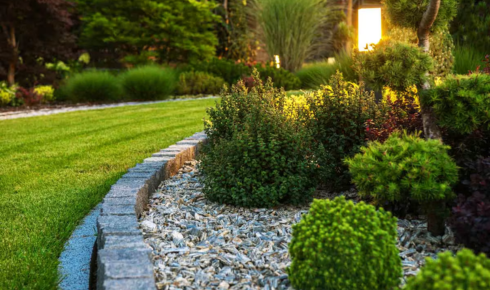
Edge restraints serve as anchors, preventing pavers from drifting outward over time. Without them, foot pressure gradually pushes the walkway apart. Landscaping near me solutions include steel, concrete, or heavy plastic edging designed to hold everything in position.
Secure edges also help reduce weed growth and keep the walkway clean. Lawns and planting beds tend to creep toward open gaps, but strong edging prevents soil and roots from pushing into the walkway. This keeps the path looking neat and stable.
Sub-base Thickness Matched to Soil Type and Load Needs
Different soils require different levels of support. Clay expands and contracts with moisture, while sandy soils may shift easily. Landscaping companies near me adjust sub-base thickness based on soil behavior to create an even, long-lasting walkway.
Load requirements also shape the sub-base. A walkway near a driveway or equipment access area needs thicker support than one used lightly. Matching the base depth to the expected load keeps the path from cracking or settling under pressure.
Expansion Joints Placed to Control Cracking Patterns
Concrete walkways naturally expand and contract with temperature changes. Expansion joints offer designated weak points where movement can occur safely. Without these joints, random cracking appears across the walkway surface.
Placement matters just as much as the joint type. Landscaping services near me position joints along natural stress lines to guide predictable movement. These joints reduce structural strain and help the walkway maintain a clean, uniform appearance.
Reinforcement Under Walkways near Heavy Load Zones
Areas supporting heavier loads—such as near driveways, outdoor equipment zones, or utility access points—often require reinforcement. Rebar, wire mesh, or geogrid is added beneath the walkway to distribute weight evenly and provide extra strength.
Reinforcement helps prevent buckling or deep cracks when pressure exceeds normal foot traffic levels. Landscaping near me providers evaluate expected loads before determining how much reinforcement is needed for long-term performance.
Weed Barrier Installation to Reduce Unwanted Growth
Weeds can push through small gaps, creating tripping hazards and cosmetic issues. Landscaping companies near me often place high-quality weed barrier fabric under gravel or stone walkways to slow down growth. This barrier still allows water to pass through while preventing root systems from settling. Keeping weeds under control reduces maintenance and preserves the clean look of the walkway. Barrier installation, combined with proper edging, gives the path a longer lifespan and reduces the work required to keep it tidy.
Matching Walkway Elevation to Adjacent Lawn and Planting Beds
Walkways must transition smoothly into nearby areas. If the path sits too high, water flows toward the house or planting beds instead of away. If too low, soil washes onto the walkway during storms. Landscaping companies near me evaluate surrounding grades so the walkway elevation feels natural. Elevation planning also eliminates tripping hazards. Landscaping services near me ensure that pavers, sod, and mulch sit at compatible heights, creating a seamless connection. This attention to detail improves both safety and the overall aesthetic of the space.
A well-constructed walkway depends on proper planning, thoughtful grading, and structurally sound layering. Cora Landscape offers installation, drainage correction, and landscape design solutions that help create walkways built for long-term stability and visual appeal.