Category: Home Services

  • When to Upgrade Your Water Treatment System at Home or Work

    When to Upgrade Your Water Treatment System at Home or Work

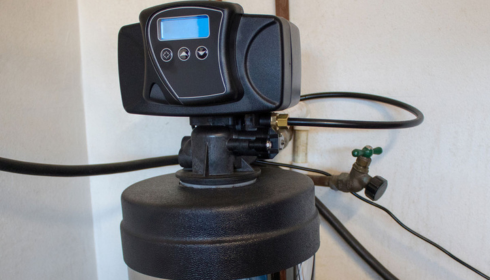
    Water treatment equipment often works quietly in the background. You may notice the benefits every day—less scale on the showerhead, better-tasting water from the tap, or fewer stains on freshly washed clothes—but the system itself is easy to forget. Then, one day, the water pressure changes or the equipment begins needing repairs more often than expected. That’s usually when the question comes up: should you repair the existing system or consider an upgrade?

    There is no single answer. The right choice depends on the age of the equipment, water quality, maintenance history, household needs, and the cost of keeping the current system running. A thoughtful evaluation can prevent unnecessary spending while ensuring the water treatment setup continues to do its job properly.

    Knowing When Your Current System Is Outdated

    Water treatment technology continues to improve. Newer systems may offer better efficiency, improved monitoring, lower water waste, quieter operation, and more convenient controls than older models. However, age alone does not mean a system needs to be replaced.

    An older unit may still perform well if it has been maintained properly and continues to meet the needs of the property. On the other hand, frequent breakdowns, outdated components, poor filtration performance, or difficulty finding replacement parts can make continued ownership less practical.

    If repair costs are increasing every year, it may be worth comparing those expenses with the price of a newer system. Sometimes, a small repair is all that’s needed. In other cases, repeated repairs are simply postponing a larger expense.

    Repair or Replace? Making the Decision

    Homeowners and business owners often hesitate to replace water treatment equipment because the original investment may have been significant. That hesitation is understandable. Still, keeping an unreliable system only because it has already been paid for can become expensive over time.

    Consider the age of the equipment, the availability of parts, and whether the system still matches the water quality problem it was installed to address. A unit designed for an older water source may not be suitable after changes in plumbing, supply, or usage.

    A professional inspection can help clarify the situation. Ask for an honest explanation of what is failing, how long the repair is expected to last, and whether other components may soon need attention. If replacement is recommended, request a comparison between repairing the existing unit and installing a new one.

    What a Trade-In and Upgrade May Offer

    For some customers, a trade-in & upgrade program can make replacing older equipment more manageable. Depending on the provider, the existing system may be assessed for a trade-in credit, helping reduce the upfront cost of a newer model.

    The benefits can extend beyond price. A newer system may provide improved water efficiency, more accurate controls, better regeneration settings, easier filter replacement, or smart monitoring features. Some units can alert users when salt is low, filters need changing, or service is required.

    Before agreeing to a trade-in, ask how the credit is calculated and whether removal, installation, disposal, and accessories are included. A low advertised price may not reflect the full project cost. Clear written details are always helpful.

    Why Commercial Water Treatment Requires More Planning

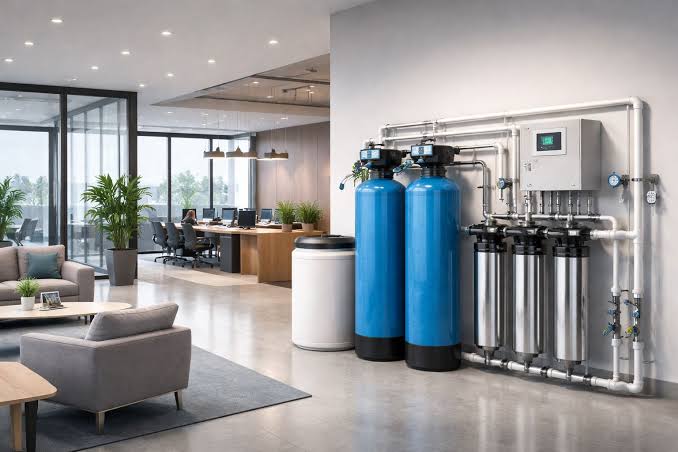
    Businesses often have more complex water needs than residential properties. Restaurants, hotels, offices, healthcare facilities, manufacturing sites, and property management companies may use large volumes of water for different purposes. Drinking water, cleaning, boilers, cooling systems, laundry, and food preparation can all have separate requirements.

    That is why commercial water treatment solutions should be selected according to the business’s operations rather than based on a standard residential package. A restaurant may need filtration that protects cooking equipment and improves the taste of beverages. A hotel may be concerned about scale in guest showers, laundry performance, and water heater efficiency. An industrial facility may require specialized treatment to meet process-water specifications.

    Commercial systems also need to account for peak demand. A unit that works for average usage may struggle during busy periods, causing pressure problems or inconsistent water quality. Proper sizing is essential, and the system should be designed around actual flow rates, operating hours, and water chemistry.

    The Importance of Water Testing Before an Upgrade

    Installing new equipment without testing the water first is a common mistake. Water can contain different combinations of hardness minerals, sediment, chlorine, iron, sulfur, bacteria, or dissolved contaminants. The treatment method should respond to those conditions.

    A water test provides a clearer picture of what needs to be reduced and what may not require treatment. It can also help identify whether an existing system is underperforming because it was incorrectly selected in the first place.

    For private wells, testing is especially important because water quality can change over time. Seasonal conditions, nearby construction, flooding, or changes in the well itself may influence results. Public water users may also benefit from testing if they notice unusual taste, odor, staining, or changes in water pressure.

    Choosing the Right Kitchen Filtration System

    Many households do not need purified water from every faucet. Often, their main priority is improving water used for drinking, cooking, coffee, and ice. In these situations, kitchen filtration systems can provide a practical solution without treating the entire home.

    Options may include under-sink carbon filters, reverse osmosis systems, countertop units, and dedicated filtered-water faucets. Carbon filtration is often useful for reducing chlorine taste and odor, while reverse osmosis may be more appropriate when the water contains elevated levels of certain dissolved contaminants.

    The best choice depends on the water test, available space, daily consumption, and maintenance preferences. An under-sink system may be discreet and convenient, but it requires room beneath the cabinet. Countertop models may be easier to install but take up valuable workspace. Reverse osmosis systems may require a storage tank and produce some wastewater.

    Look at the full maintenance picture before buying. Filter replacement costs, cartridge availability, installation requirements, and warranty support can matter just as much as the initial purchase price.

    Efficiency and Sustainability Considerations

    Modern water treatment systems are increasingly designed with efficiency in mind. Some water softeners use demand-based regeneration, which means they regenerate according to actual water usage rather than following a fixed schedule. This can reduce salt and water consumption.

    Newer reverse osmosis systems may also offer improved water recovery compared with older designs. Businesses, in particular, should consider how much water a treatment system sends to waste and whether that affects operating costs.

    Efficiency does not mean choosing the smallest system available. Undersized equipment may run constantly, struggle during peak demand, or fail to provide consistent results. The goal is balanced performance—enough capacity for the property without unnecessary consumption.

    Working With a Qualified Service Provider

    A reliable water treatment provider should explain the system in plain language. You should understand what the equipment removes, what it does not remove, how often it needs maintenance, and what ownership will cost over time.

    Ask whether the company provides water testing, installation, emergency repairs, replacement filters, warranties, and scheduled maintenance. For commercial customers, inquire about service response times and whether the provider can work around business hours to reduce disruption.

    Be cautious of high-pressure sales tactics or promises that sound too good to be true. A trustworthy professional will focus on the water problem, show suitable options, and give you time to make an informed decision.

    A Smarter Approach to Water Treatment Upgrades

    Upgrading a water treatment system should not be about buying the newest equipment simply because it looks modern. It should be about improving reliability, matching current water conditions, reducing long-term costs, and making daily life or business operations easier.

    Start with testing, review the performance of the existing system, and compare repair costs with replacement options. Whether you need a small kitchen filter, a whole-home softener, or a large commercial treatment setup, the right decision comes from understanding your actual needs.

    With careful planning and professional guidance, an upgrade can deliver more than cleaner water. It can provide greater convenience, improved efficiency, and peace of mind for years to come.

  • Removals Portsmouth UK and Manchester: A Smarter, Lower-Waste Way to Move

    Removals Portsmouth UK and Manchester: A Smarter, Lower-Waste Way to Move

    Every house move produces its share of waste, whether that’s flattened cardboard piling up in the garage or bubble wrap nobody quite knows what to do with once the boxes are unpacked. For anyone who wants to move without generating unnecessary rubbish or overspending on materials used just once, there’s a more considered way to approach the whole process. This applies whether you’re relocating within Portsmouth’s coastal streets or navigating a move into or out of Manchester’s mix of terraces and high-rise developments.

    This article sets out a practical, lower-waste approach to moving house, covering how to reduce packing material use, dispose of unwanted belongings responsibly, and choose a removals company that shares this mindset.

    Rethinking What You Actually Need to Buy

    The default instinct for most people organising a move is heading straight to a shop for a stack of flat-pack boxes, several rolls of tape, and bubble wrap bought in bulk. This is rarely necessary, and it tends to be the single biggest source of avoidable waste across the entire process.

    Before purchasing anything new, take stock of what’s already in the house. Suitcases, laundry baskets, and sturdy bags can carry clothing and soft items without needing a single cardboard box. Towels, bedding, and clothing themselves make effective padding for fragile items, meaningfully reducing how much bubble wrap needs to be bought in the first place.

    Where to Find Reusable Packing Materials

    • Local supermarkets often have surplus cardboard boxes they’re happy to give away if asked a few days in advance
    • Online community groups and marketplace listings frequently have people offering boxes left over from their own recent move
    • Some removals companies provide reusable plastic crates as part of their service, collected and returned rather than thrown away afterward

    Asking your chosen removals company directly whether they offer this kind of reusable crate system is worth doing early in the process, since it can significantly cut down on the amount of cardboard ending up in recycling or landfill once the move is complete.

    Decluttering With Intention Rather Than Just Discarding

    A house move is one of the few moments that forces genuine confrontation with how much has been accumulated over the years. Rather than treating this purely as a logistical inconvenience, it’s worth using the opportunity properly. Items still in good condition don’t need to end up in general waste.

    Local charity shops, particularly around Portsmouth’s Southsea area, are often glad to take furniture, clothing, and household items in reasonable condition. Some even offer collection services for larger pieces like sofas or wardrobes, saving the hassle of transporting them yourself on top of an already demanding schedule.

    A Simple Framework for Sorting Belongings

    1. Items in good condition you no longer need: donate to a local charity shop or community group
    2. Items with resale value: consider a local marketplace listing rather than discarding them
    3. Items beyond repair or use: check with the local council for the correct recycling or disposal route
    4. Anything genuinely important but undecided: box separately and revisit once settled into the new property

    Reducing total volume this way often lowers the cost of a Removals Portsmouth UK quote as well, since most pricing structures reflect the amount of belongings being transported rather than a flat fee regardless of volume.

    Choosing a Removals Company With Sustainability in Mind

    Not every removals company approaches environmental considerations in the same way, and asking a few direct questions during the quoting process reveals a lot about how seriously a company treats this. Some run more fuel-efficient vehicles, plan routes carefully to minimise unnecessary mileage, or provide reusable packing materials as standard rather than as an optional extra.

    It’s entirely reasonable to ask a prospective company about these details, and how they handle leftover packing materials once a move is finished. A company that simply hands over a stack of boxes with no further thought is a different proposition from one that actively collects reusable crates or partners with local charities and recycling services.

    Questions Worth Asking About Sustainable Practices

    • Do you offer reusable crates instead of single-use cardboard boxes?
    • How do you handle disposal of leftover packing materials after the move?
    • Do your vehicles use route planning to minimise unnecessary mileage?
    • Can unwanted furniture be donated or recycled through your service, rather than left for me to sort separately?

    Manchester’s Local Resources for Responsible Disposal

    Manchester’s mix of dense inner-city living and suburban housing means disposal and donation options vary considerably depending on which part of the city you’re moving to or from. High-rise buildings in particular often have specific rules about what can be left in communal waste areas, and it’s worth checking these before assuming bulky items can simply be placed there.

    Anyone comparing Manchester Removal Services should also check whether the local council offers a bulky waste collection service for larger items that aren’t suitable for donation. This is typically a straightforward and relatively inexpensive way to dispose of old furniture or appliances that have reached the end of their useful life.

    Making the Most of Local Disposal Options

    • Check the council’s bulky waste collection schedule well ahead of your move date, since slots can fill up quickly
    • Look into local reuse networks or community groups that specifically collect furniture for redistribution
    • Ask your removals company whether they have existing relationships with charities for furniture donations
    • Confirm with building management what’s permitted in communal waste areas if you’re moving out of a high-rise apartment

    Practical Steps That Combine Cost Savings With Reduced Waste

    Many of the choices that reduce environmental impact during a move also tend to save money, which makes this approach genuinely practical rather than purely idealistic.

    • Pack non-fragile items yourself using containers you already own, reducing both cost and material waste
    • Donate or sell items you no longer need rather than paying to transport them and then disposing of them afterward
    • Choose a removals company offering reusable packing materials where available
    • Consolidate boxes efficiently rather than using more than necessary, which reduces both material use and loading time

    Timing Donations and Disposal Around Your Move

    One detail that often gets overlooked is the timing of donations and disposal relative to the move date itself. Charity shops and bulky waste collections typically need a few days’ notice, and leaving this until the final forty-eight hours before moving day usually means unwanted items end up going with you regardless, simply because there’s no time left to arrange anything else.

    Building donation and disposal tasks into your planning at least two weeks ahead gives enough buffer to arrange collections properly, rather than scrambling at the last minute and defaulting to keeping things you’d genuinely rather not.

    Frequently Asked Questions

    Do removals companies typically offer reusable packing crates?

    Some do, though it varies by provider. Asking directly during the quoting process is worthwhile, since this option isn’t always advertised upfront.

    How can I reduce the number of boxes I need to buy?

    Use suitcases, laundry baskets, and bags for clothing and soft items, and ask local supermarkets or online community groups for spare cardboard boxes before purchasing new ones.

    What should I do with furniture I no longer need?

    Consider donating items in good condition to a local charity shop, listing them on a local marketplace, or checking your council’s bulky waste collection service for anything beyond repair.

    Does decluttering before a move actually lower the cost?

    Yes, since most removals quotes reflect the volume of belongings being transported, reducing what you’re moving often results in a lower overall price.

    Is it worth asking a removals company about their environmental practices?

    Absolutely. Companies vary considerably in how they handle packing materials, route planning, and furniture donation options, and asking directly reveals a lot about their overall approach.

    How far ahead should I arrange donations or bulky waste collection?

    At least two weeks before your move date is a sensible target, since charity collections and council bulky waste services often need advance notice and can book up quickly.

  • Protecting Your Business From Water-Related Equipment Problems

    Protecting Your Business From Water-Related Equipment Problems

    Water is easy to take for granted when everything is running smoothly. In a commercial setting, though, water does much more than fill sinks and provide something to drink. It passes through coffee machines, ice makers, boilers, dishwashers, production equipment, cooling systems, and plenty of other expensive machinery.

    When water quality isn’t suited to those applications, small problems can slowly turn into expensive ones. Scale builds up. Filters clog. Equipment works harder. Maintenance becomes more frequent. Eventually, something stops working at the worst possible time.

    That’s why water treatment deserves to be viewed as part of business maintenance rather than just another utility expense.

    Water Quality Can Affect Equipment Performance

    Different water sources contain different levels of minerals, sediment, disinfectants, and other dissolved substances. Hard water, for example, contains calcium and magnesium that can contribute to scale formation.

    You might first notice a little residue around a faucet or showerhead. In commercial equipment, however, the buildup can happen inside components where you can’t easily see it.

    Over time, scale may reduce heat-transfer efficiency, restrict water flow, or interfere with moving parts. The exact effect depends on the equipment and water conditions, but the basic lesson is straightforward: water chemistry matters.

    Expensive Equipment Deserves Protection

    Commercial businesses often make significant investments in water-using equipment. A restaurant might have high-end espresso machines, steamers, ice makers, and dishwashers. A hotel could have hundreds of fixtures and water-heating systems. Manufacturing facilities may rely on water throughout their production process.

    When water quality is appropriate for the equipment, businesses can better protect equipment investments and reduce some avoidable water-related stresses.

    Of course, treatment isn’t a guarantee that equipment will never fail. Machines still need cleaning, inspections, repairs, and replacement parts. But managing water quality can be a useful part of a broader preventive-maintenance strategy.

    Hard Water Is a Common Commercial Concern

    Hard water is one of the most familiar water-quality challenges because its effects can become visible relatively quickly.

    Mineral deposits may collect inside pipes, heating elements, valves, and other components. Equipment that heats water can be especially vulnerable because heating can encourage mineral precipitation and scale formation.

    Commercial operations may use water constantly throughout the day, which means even a moderate hardness issue can become more significant over time.

    That’s where properly sized softening equipment may be useful. The right solution depends on the water analysis and the specific equipment being protected.

    Why Scale Can Become Expensive

    Scale isn’t just an appearance problem.

    Inside a water heater or boiler, mineral deposits can act as an insulating layer between the heating surface and the water. That can affect efficiency and operating performance.

    In coffee and beverage equipment, mineral buildup can interfere with water pathways and internal components. In ice machines, deposits may contribute to cleaning and maintenance challenges.

    The costs can add up quietly. More service calls. More cleaning. More replacement parts. More staff time spent dealing with equipment instead of customers.

    It’s often the little expenses that eventually become a big one.

    Preventive Treatment Can Help Avoid Disruptions

    Business owners know that downtime can be painful.

    If a restaurant’s main coffee machine stops working during the morning rush, that’s not merely an equipment problem. It can affect sales, staff workflow, customer satisfaction, and the entire day’s schedule.

    A hotel with a water-heating issue has an even larger headache.

    Appropriate treatment and regular maintenance can help businesses avoid costly downtime associated with certain water-quality and scale-related issues. It won’t eliminate every possible failure, but prevention is usually easier than emergency repair.

    And let’s be honest, nobody enjoys discovering a preventable problem at 7 a.m. on a Monday.

    Modern Filtration Is More Than a Basic Filter

    Today’s commercial treatment options can be much more sophisticated than the simple filters people may remember from years ago.

    Depending on the application, businesses can use sediment filtration, activated carbon, water softening, reverse osmosis, deionization, ultraviolet treatment, and other technologies.

    Modern commercial water filtration systems can be designed around specific water conditions and operational requirements rather than relying on a one-size-fits-all approach.

    That flexibility is useful because every commercial property has its own combination of water chemistry, flow requirements, equipment, and usage patterns.

    Start With Water Testing

    Before purchasing equipment, test the water.

    It sounds obvious, but it’s one of the steps people sometimes skip.

    A water analysis can identify hardness, pH, dissolved solids, chlorine, sediment, iron, sulfur, and other characteristics that may influence treatment decisions.

    For private wells, testing can be especially valuable because groundwater conditions can vary and may change over time.

    Testing helps answer a basic question: what are you actually trying to fix?

    Without that information, a business could spend money on equipment that addresses the wrong problem.

    Different Equipment Needs Different Water

    One of the biggest mistakes is assuming that all commercial equipment needs the same type of water.

    A coffee machine may have specific recommendations for hardness and mineral content. A boiler can have different requirements. A manufacturing process may need water with very low dissolved solids.

    Even equipment from the same manufacturer can have different specifications depending on the model.

    That means water treatment should be coordinated with equipment requirements whenever possible.

    Checking the manufacturer’s water-quality recommendations before installing treatment can prevent unnecessary complications later.

    Pretreatment Can Make a Difference

    Sometimes the best way to protect a treatment system is to treat the water before it reaches the primary equipment.

    For example, sediment filtration can remove larger particles before they reach downstream components. Carbon treatment can address certain chlorine and taste concerns. Softening can reduce hardness before water enters equipment that’s sensitive to scale.

    Reverse osmosis may also be appropriate when lower levels of dissolved substances are required.

    The exact sequence depends on the source water and the intended application.

    Think of it like preparing ingredients before cooking. A little preparation beforehand can make everything that follows work more smoothly.

    Don’t Ignore Flow Rate

    Commercial systems need to keep up with demand.

    A business may have periods when several water-using machines operate at the same time. If the treatment system isn’t properly sized, water availability or pressure can become an issue.

    Sizing should consider average usage, peak demand, operating hours, storage capacity, and future expansion.

    A system that’s too small can become a bottleneck. One that’s far larger than necessary can increase purchase and operating costs.

    The sweet spot is a system designed around real-world usage.

    Maintenance Is Still Essential

    Even the best treatment system needs attention.

    Filters eventually become saturated. Softening systems require appropriate regeneration or servicing. RO membranes need monitoring. Pumps, valves, tanks, and other components may require periodic inspection.

    Businesses should establish a maintenance schedule before problems appear.

    Keep records of filter changes, service visits, water testing, and equipment performance where appropriate. It makes it easier to spot gradual changes that might otherwise go unnoticed.

    Preventive maintenance isn’t glamorous, but neither is an emergency repair bill.

    Look at the Long-Term Cost

    When comparing water-treatment options, don’t focus only on the initial installation price.

    Consider replacement filters, salt or treatment media, electricity where applicable, service costs, water consumption, and expected equipment life.

    Also consider the cost of interruptions.

    If a treatment system costs a little more but helps support reliable operation and reduces recurring maintenance demands, it may provide better value over time.

    The cheapest system on day one isn’t necessarily the cheapest system over five years.

    Work With the Actual Water Conditions

    A good commercial water-treatment strategy starts with facts.

    Test the water. Identify the equipment requirements. Determine the flow rate. Consider peak demand. Then select treatment technologies that address the actual conditions.

    This approach avoids the temptation to buy equipment simply because it has more stages or a longer list of features.

    Sometimes a straightforward treatment setup is exactly what a business needs. Other situations may require a more advanced combination of technologies.

    There is no prize for having the most complicated system.

    The Bottom Line

    Water quality may not be the first thing a business owner thinks about when considering equipment maintenance, but it can have a surprisingly important role.

    Hardness, sediment, dissolved minerals, and other water characteristics can affect equipment performance, maintenance requirements, and operating costs.

    By testing the water, matching treatment to equipment requirements, and keeping the system properly maintained, businesses can take a more proactive approach to water management.

    The goal isn’t simply to make water look cleaner. It’s to create conditions that support the people, products, and equipment depending on that water every day.

    And when a busy commercial operation can keep its equipment running without unnecessary surprises, that’s a pretty valuable result.

  • Why Tankless Water Heaters Are Becoming a Smart Upgrade for Modern Homes

    Why Tankless Water Heaters Are Becoming a Smart Upgrade for Modern Homes

    If you’ve ever been halfway through a hot shower only to feel the water suddenly turn cold, you already understand one of the biggest frustrations of a traditional water heater. It usually happens at the worst possible moment—when someone else starts the dishwasher, another family member begins a shower, or the washing machine kicks into action.

    For years, homeowners accepted those interruptions as just part of everyday life. Today, things have changed. Modern plumbing technology has introduced more efficient ways to supply hot water, and tankless systems have quickly become one of the most popular upgrades for households looking for greater convenience and lower operating costs.

    The appeal goes beyond having hot water on demand. A tankless system offers a different approach to home comfort—one that’s designed around efficiency, performance, and smarter use of space.

    Hot Water Only When You Need It

    Traditional storage tank water heaters work by heating a large supply of water and keeping it warm throughout the day, even when nobody is using it. While that approach has served homeowners well for decades, it also consumes energy continuously.

    Tankless systems work differently.

    Instead of storing heated water, they warm water instantly as it flows through the unit. The system activates only when a faucet, shower, or appliance calls for hot water, then shuts off once demand ends.

    This simple idea eliminates much of the wasted energy associated with constantly reheating stored water and creates a more efficient everyday experience.

    Planning the Installation the Right Way

    Every home has different plumbing layouts, household sizes, and daily water demands, so choosing the correct equipment matters just as much as selecting the technology itself.

    That’s why tankless water heater installation  should always begin with a careful evaluation of your home’s needs. Flow rate, incoming water temperature, gas or electrical capacity, and the number of fixtures that may operate simultaneously all influence which model delivers the best results.

    Proper planning helps ensure your system performs consistently without unexpected limitations during busy mornings or evenings.

    A Small Unit With Big Benefits

    One feature homeowners immediately notice is how little space a tankless system requires.

    Unlike bulky storage tanks that occupy valuable floor space in garages, basements, or utility rooms, tankless models mount neatly on the wall. Their compact footprint creates additional storage opportunities while making mechanical spaces feel far less crowded.

    That space saving design is especially valuable in smaller homes, townhouses, condos, and properties where every square foot matters.

    Sometimes a practical upgrade improves more than one aspect of a home at the same time.

    Energy Efficiency Adds Up Over Time

    Many homeowners first consider tankless technology because they’re hoping to reduce utility bills.

    Since these systems operate only when hot water is actually needed, they eliminate the standby heat loss common with conventional storage tanks. That difference becomes noticeable over months and years of daily use.

    For many households, this translates into lower energy costs , especially when replacing an older water heater that’s been operating inefficiently for a long time.

    While every home’s savings will vary based on usage habits, improved efficiency remains one of the strongest reasons homeowners choose tankless technology.

    Endless Hot Water Changes Daily Routines

    One of the most appreciated advantages of a properly sized tankless system is its ability to provide continuous hot water.

    Instead of waiting for a storage tank to recover after heavy use, water is heated as it flows through the system. That means showers, dishwashing, and laundry can often happen with fewer interruptions.

    Large families frequently notice the biggest difference.

    Busy mornings become less stressful because everyone doesn’t have to carefully schedule their showers around the available hot water supply.

    It’s a small convenience that quickly becomes something homeowners never want to give up.

    Professional Installation Makes the Difference

    Although tankless systems appear simple from the outside, installation involves much more than mounting a compact unit on the wall.

    Gas line sizing, electrical requirements, venting systems, plumbing modifications, water pressure, and local building codes all influence performance and safety. Some homes may require upgrades before installation can proceed properly.

    Experienced installers evaluate these details before beginning work, helping ensure the system operates efficiently from the very first day.

    That careful preparation protects both the equipment and your long-term investment.

    Maintenance Is Easier Than Many People Expect

    Like any mechanical equipment, tankless water heaters benefit from routine maintenance.

    Mineral deposits from hard water can accumulate inside the heat exchanger over time, reducing efficiency if left untreated. Periodic flushing helps maintain proper performance while extending equipment life.

    Annual inspections also allow technicians to verify safe operation, inspect internal components, and identify small concerns before they become costly repairs.

    Fortunately, routine maintenance is generally straightforward and contributes significantly to long-term reliability.

    Looking Beyond the Initial Investment

    Tankless water heaters often cost more upfront than traditional storage tank systems, and that sometimes causes homeowners to hesitate.

    However, evaluating only the purchase price doesn’t provide the complete picture.

    Longer equipment lifespan, reduced operating expenses, improved efficiency, continuous hot water, and lower maintenance needs all contribute to overall value. Many homeowners discover that the long-term benefits outweigh the higher installation cost, particularly if they plan to remain in their home for many years.

    Comfort, convenience, and energy savings tend to become more meaningful with each passing season.

    Is Tankless the Right Choice for Your Home?

    The answer depends on your household rather than current trends.

    Families with high hot water demand often appreciate continuous performance. Homeowners looking to maximize storage space enjoy the compact design. Those focused on reducing monthly utility bills frequently value the efficiency improvements.

    At the same time, every home is unique. Water usage habits, household size, plumbing configuration, and available utilities all influence whether a tankless system is the ideal solution.

    Speaking with a knowledgeable plumbing professional helps ensure you choose equipment that truly matches your needs.

    A Modern Upgrade That Delivers Everyday Comfort

    The best home improvements aren’t always the ones people notice immediately. Sometimes they’re the upgrades quietly working behind the scenes, making daily routines easier without demanding attention.

    A tankless water heater does exactly that.

    From uninterrupted hot showers and extra storage space to greater energy efficiency and dependable performance, it provides benefits homeowners experience every single day. It’s not simply an upgrade to your plumbing system—it’s an investment in convenience, comfort, and long-term value.

    When thoughtfully selected, professionally installed, and properly maintained, a tankless water heater becomes one of those improvements you’ll appreciate every morning, even if you rarely think about it after installation. And honestly, that’s probably the best compliment any home appliance can receive.

  • When Better Water Quietly Changes Your Everyday Life

    When Better Water Quietly Changes Your Everyday Life

    There’s something oddly comforting about turning on the tap and not thinking twice about it. No hesitation, no weird smell, no chalky residue left behind on your glass. Just… water. Clean, simple, reliable. Funny thing is, most of us don’t realize how much water quality shapes our daily life until something feels off. Maybe it’s the stubborn white marks on your bathroom tiles, or the way your hair just won’t cooperate no matter what shampoo you try.

    Water isn’t just a background utility. It’s part of your routine in ways you don’t always notice—until you do.


    Why Your Water Might Be Working Against You

    Let’s be honest, not all water is created equal. Depending on where you live, your supply might carry minerals like calcium and magnesium, or even traces of chlorine and other chemicals. These aren’t always dangerous, but they can be annoying. Over time, they build up. Pipes get clogged. Appliances lose efficiency. Skin feels dry, laundry looks dull.

    You might not connect the dots at first. Most people don’t. They blame the soap, the detergent, the weather. But often, it’s the water quietly doing its thing in the background.

    And that’s where solutions start to come into the picture—not as luxury upgrades, but as practical fixes.


    A Closer Look at Water Softeners

    If you’ve ever dealt with hard water, you already know the struggle. That stubborn scale on faucets, the film on dishes, the way your geyser or washing machine seems to age faster than it should. It’s not just frustrating—it’s expensive in the long run.

    That’s why many homeowners eventually turn to water softeners. These systems work by removing excess minerals, especially calcium and magnesium, that cause hardness. The result? Water that behaves better. Soap lathers properly. Skin feels softer. Even your appliances get a bit of a break.

    But here’s the thing—installing one isn’t some magic fix for everything. It solves a specific problem. If your main concern is hardness, it’s a solid choice. If not, you might need something more comprehensive.


    The Bigger Picture: Filtering Your Entire Home

    Sometimes, the issue goes beyond hardness. Maybe the water smells slightly off. Maybe you’re worried about contaminants you can’t see or taste. That’s when people start exploring whole home water filtration systems.

    Unlike point-of-use filters (like the ones attached to a kitchen tap), these systems treat water at the entry point. So every tap, every shower, every appliance gets filtered water. It’s kind of like upgrading your entire plumbing system without actually replacing it.

    There’s a noticeable difference, too. Not dramatic in a flashy way—but subtle. More consistent. Water feels lighter, cleaner. You stop second-guessing whether it’s okay to drink from the tap or wash your vegetables under running water.

    It’s one of those upgrades you don’t fully appreciate until you’ve lived with it for a while. Then going back feels… odd.


    What About Drinking Water?

    Now here’s where things get a bit more personal. Because no matter how good your overall water quality is, drinking water often requires a different level of purity.

    That’s where reverse osmosis systems come in. You’ve probably heard of them, maybe even seen one installed under a sink. They use a semi-permeable membrane to remove a wide range of impurities—things like heavy metals, dissolved salts, even certain bacteria.

    The taste difference alone can be enough to convince people. Water feels crisper, cleaner, almost bottled—but without the plastic waste or recurring cost.

    Still, it’s not for everyone. Some folks find the system a bit too thorough, removing minerals they actually want in their water. Others don’t like the slower flow rate. It’s a trade-off, like most things.


    Choosing What Actually Fits Your Life

    Here’s the part that gets overlooked a lot: there’s no universal “best” solution. What works for one household might not make sense for another.

    A family dealing with extremely hard water might prioritize softening. Someone concerned about chlorine or sediment might lean toward full-home filtration. And if safe drinking water is the top concern, reverse osmosis becomes the obvious pick.

    Sometimes, people combine systems. A softener for the whole house, plus a dedicated filter for drinking water. It sounds like a lot, but it doesn’t have to be overwhelming. Once you understand your specific water issues, the decision becomes clearer.

    Testing your water is usually the first step. Not guessing. Not assuming. Just knowing.


    The Quiet Benefits You Don’t Expect

    It’s easy to focus on the obvious perks—better taste, cleaner dishes, softer skin. But there are smaller, less talked-about benefits that creep in over time.

    Like using less soap because it actually works properly. Or noticing your clothes last longer. Even your morning shower feels a bit more refreshing, though you can’t quite explain why.

    There’s also a kind of mental comfort. Knowing your water is taken care of. It’s one less thing to worry about in a world that already throws enough at you.


    Final Thoughts: It’s Not Just About Water

    At the end of the day, improving your water isn’t just about fixing a problem. It’s about making daily life a little smoother, a little more predictable.

    You wake up, you make tea, you wash your face—these are small, routine moments. But when the water behind them is clean, balanced, and reliable, everything feels just a bit easier.

    And maybe that’s the real value here. Not the technology, not the systems, not even the cost savings. Just the quiet satisfaction of something working the way it should.

    No drama. No second thoughts. Just water, the way it was meant to be.

  • What Structural Considerations Landscaping Companies Near Me Use for Walkway Builds

    What Structural Considerations Landscaping Companies Near Me Use for Walkway Builds

    A walkway may look simple on the surface, but its strength comes from the layers beneath it. Landscaping companies near me plan these builds carefully so the path stays stable, drains properly, and blends seamlessly with the surrounding landscape. A thoughtful design prevents future repairs and creates a walkway that feels natural, safe, and long-lasting.

    Proper Base Compaction to Prevent Future Settling

    The base is the foundation of any walkway, and improper compaction leads to sinking, shifting, or uneven surfaces. Landscape contractors compact soil and aggregate layers in stages to lock them tightly together. This prevents the walkway from moving under pressure or settling after heavy rain. Compaction quality also affects the lifespan of the materials above. Landscaping near me inspections often show that poorly compacted bases cause pavers to tilt or crack. A solid base helps maintain level footing and reduces the amount of maintenance the path will need over time.

    Slope and Grade Planning to Ensure Water Drains Away

    Walkways must move water away rather than collect it. Landscapers create a slight slope—often unnoticed by the eye—to guide rainwater toward safe drainage areas. Even a small change in grade keeps puddles from forming and protects both the walkway and nearby plant beds.

    Grading also helps prevent erosion. Landscaping services near me frequently adjust surrounding soil levels so runoff flows correctly instead of washing out the sides of the walkway. Proper drainage ensures the surface stays usable and reduces long-term damage.

    Choosing Durable Materials Suited to Foot Traffic Levels

    Walkways see very different traffic depending on their placement. A path leading to a front door needs stronger materials than a garden walkway. Landscaping companies near me choose stone, pavers, gravel, or concrete based on how often the walkway will be used and what loads it must support. Climate considerations matter too. Freeze-thaw cycles, soil expansion, and water exposure influence how materials hold up over time. A landscape company evaluates these factors before selecting materials to ensure the walkway performs well year after year.

    Edge Restraints to Keep Pavers and Stones in Place

    Edge restraints serve as anchors, preventing pavers from drifting outward over time. Without them, foot pressure gradually pushes the walkway apart. Landscaping near me solutions include steel, concrete, or heavy plastic edging designed to hold everything in position.

    Secure edges also help reduce weed growth and keep the walkway clean. Lawns and planting beds tend to creep toward open gaps, but strong edging prevents soil and roots from pushing into the walkway. This keeps the path looking neat and stable.

    Sub-base Thickness Matched to Soil Type and Load Needs

    Different soils require different levels of support. Clay expands and contracts with moisture, while sandy soils may shift easily. Landscaping companies near me adjust sub-base thickness based on soil behavior to create an even, long-lasting walkway.

    Load requirements also shape the sub-base. A walkway near a driveway or equipment access area needs thicker support than one used lightly. Matching the base depth to the expected load keeps the path from cracking or settling under pressure.

    Expansion Joints Placed to Control Cracking Patterns

    Concrete walkways naturally expand and contract with temperature changes. Expansion joints offer designated weak points where movement can occur safely. Without these joints, random cracking appears across the walkway surface.

    Placement matters just as much as the joint type. Landscaping services near me position joints along natural stress lines to guide predictable movement. These joints reduce structural strain and help the walkway maintain a clean, uniform appearance.

    Reinforcement Under Walkways near Heavy Load Zones

    Areas supporting heavier loads—such as near driveways, outdoor equipment zones, or utility access points—often require reinforcement. Rebar, wire mesh, or geogrid is added beneath the walkway to distribute weight evenly and provide extra strength.

    Reinforcement helps prevent buckling or deep cracks when pressure exceeds normal foot traffic levels. Landscaping near me providers evaluate expected loads before determining how much reinforcement is needed for long-term performance.

    Weed Barrier Installation to Reduce Unwanted Growth

    Weeds can push through small gaps, creating tripping hazards and cosmetic issues. Landscaping companies near me often place high-quality weed barrier fabric under gravel or stone walkways to slow down growth. This barrier still allows water to pass through while preventing root systems from settling. Keeping weeds under control reduces maintenance and preserves the clean look of the walkway. Barrier installation, combined with proper edging, gives the path a longer lifespan and reduces the work required to keep it tidy.

    Matching Walkway Elevation to Adjacent Lawn and Planting Beds

    Walkways must transition smoothly into nearby areas. If the path sits too high, water flows toward the house or planting beds instead of away. If too low, soil washes onto the walkway during storms. Landscaping companies near me evaluate surrounding grades so the walkway elevation feels natural. Elevation planning also eliminates tripping hazards. Landscaping services near me ensure that pavers, sod, and mulch sit at compatible heights, creating a seamless connection. This attention to detail improves both safety and the overall aesthetic of the space.

    A well-constructed walkway depends on proper planning, thoughtful grading, and structurally sound layering. Cora Landscape offers installation, drainage correction, and landscape design solutions that help create walkways built for long-term stability and visual appeal.

  • When the Warmth Fades: A Down-to-Earth Guide to Relighting Your Furnace Safely

    When the Warmth Fades: A Down-to-Earth Guide to Relighting Your Furnace Safely

    There’s something oddly humbling about the moment you realize your furnace isn’t running. Maybe it’s the still air, the faint chill creeping up your sleeves, or that slight panic that sets in when you check the thermostat and nothing happens. You tap it, adjust the temperature, even give it that “maybe it just needs a nudge” kind of stare — but no luck. The heat’s gone.

    For a lot of homeowners, this is where confusion sets in. Modern life trains us to expect instant fixes, but furnaces — especially gas ones — still have a bit of old-school in them. If you have a pilot light system, there’s a good chance the flame that starts your heat just went out. It’s not a crisis, though. Relighting it is usually a simple task — if you know what you’re doing.

    So, let’s take a calm walk through how to ignite furnace systems safely and confidently. No fluff, no panic — just clear, human advice for when your home goes unexpectedly cold.


    Why the Pilot Light Matters

    If you’ve ever peered into the guts of your furnace, you’ve probably noticed a small metal pipe leading to a little flame (or the space where a flame should be). That’s your pilot light. It’s the furnace’s ignition source — the spark that sets everything else in motion.

    When that flame goes out, your furnace can’t heat anything. It’s like trying to start a car with no spark plug. Drafts, dust buildup, or even a temporary gas interruption can extinguish it. The good news? Relighting it isn’t complicated once you understand the basics.

    Newer furnaces, by the way, often use electronic igniters instead of pilot lights. If that’s you, you can stop here — your system likely resets automatically. But if you own an older model or live in a home that’s been around for a while, you’ll want to read on.


    Safety Comes First — Always

    Before you even think about relighting your furnace, stop and use your senses. If you smell gas — that unmistakable, eggy odor — turn off everything immediately. Don’t try to light anything, don’t flip switches, and definitely don’t use a lighter or match. Open a window, leave the area, and call your gas company or local fire department.

    Gas is efficient and reliable, but it’s also powerful. Respect it. Take your time, and only proceed when you’re certain it’s safe.

    Once you’re confident there’s no gas leak, make sure the area around the furnace is clean and well-lit. A flashlight helps, and a long-necked lighter is a must.


    Finding the Pilot Assembly

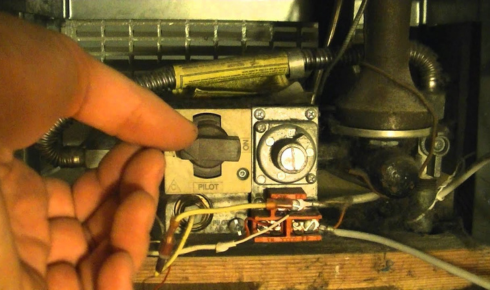
    Most gas furnaces have a small control knob or switch labeled “Off,” “Pilot,” and “On.” This is part of the gas valve assembly, typically located near the bottom of the furnace. You might need to remove or open a small metal panel to access it.

    Next to that valve, you’ll see a small pipe leading to the pilot burner. That’s where the flame will appear when you relight it.

    Take a second to familiarize yourself with the layout. It’s not complicated — it just looks intimidating if you’ve never done it before.


    The Step-by-Step Process

    Alright, this is where we get hands-on. Here’s how to safely go about lighting a gas furnace when your pilot light’s gone out:

    1. Turn the gas control knob to “Off.”
      This stops the flow of gas so you can clear out any lingering fumes. Wait at least five minutes before doing anything else. It might feel like forever, but that pause ensures you don’t ignite residual gas by mistake.
    2. Set the knob to “Pilot.”
      Once the waiting period’s up, turn the knob to “Pilot.” This allows a small amount of gas to flow to the pilot assembly.
    3. Press and hold the knob (or pilot button).
      This keeps gas flowing to the pilot burner. You’ll need to keep it pressed while you light the flame.
    4. Light the pilot.
      Using your long lighter or match, bring the flame to the pilot opening. If you’re doing it right, a small blue flame should appear. Continue holding the knob for about 30 seconds to let the thermocouple — the small safety sensor — heat up.
    5. Release the knob and check the flame.
      When you let go, the flame should stay lit. If it immediately goes out, repeat the process once. If it still won’t hold, you may have a faulty thermocouple or dirty pilot assembly that needs cleaning or replacement.
    6. Turn the knob to “On.”
      Replace the access panel, adjust your thermostat, and wait for the familiar sound of your furnace kicking back to life.

    That’s it — no fancy tools, no special skills, just patience and attention.


    When the Flame Doesn’t Stay Lit

    Sometimes, even when you follow every step perfectly, the pilot just won’t cooperate. Don’t take it personally — furnaces have their quirks.

    It could be that the thermocouple isn’t detecting heat properly, or the pilot orifice is clogged with soot or debris. You can try gently cleaning it with a soft brush or compressed air, but if you’re not comfortable poking around, call a technician.

    A pro can inspect the gas pressure, sensor connection, and safety controls in minutes. It’s a quick, inexpensive visit that often prevents bigger problems down the road.


    Modern Systems and Electronic Ignition

    If you’ve tried this process and can’t even find a pilot light, there’s a reason — your system might not have one.

    Newer furnaces use electronic ignition systems, which means the flame starts automatically when needed. These systems are safer and more efficient, but they can still fail occasionally. In that case, you’ll need to reset the furnace through the control board — often just a switch or breaker flip.

    For older systems, though, knowing how to light a hvac pilot light is still a valuable skill. It’s one of those homeownership basics that feels empowering — like knowing where your water shutoff valve is or how to reset a breaker when the lights go out.


    A Few Quick Tips from the Pros

    • Keep your furnace clean. Dust buildup around the pilot area can cause flickering or weak flames.
    • Replace air filters regularly. Restricted airflow can cause your furnace to overheat and shut down unnecessarily.
    • Inspect annually. Even if it’s working fine, a yearly professional checkup keeps your system running safely and efficiently.
    • Never tape panels shut. Furnaces need proper ventilation. Blocking airflow can cause dangerous carbon monoxide buildup.

    These little habits go a long way toward keeping your system reliable and your home warm.


    Wrapping It Up

    Lighting a furnace isn’t something most people do often, but it’s one of those quiet life skills that comes in handy when you least expect it. It’s about more than warmth — it’s about understanding how something essential in your home actually works.

    So the next time your house grows chilly and you hear nothing but silence from the basement, don’t panic. Take a deep breath, grab a flashlight, and approach it with confidence. You’ve got this.

    Learning how to ignite furnace systems safely isn’t about becoming a repair expert — it’s about being self-reliant when your comfort depends on it.

    And when that flame finally catches and your home starts to fill with that gentle, familiar heat again, you’ll feel something more than warmth. You’ll feel capable — and maybe just a little proud.

  • Why Blue-Green Stains Keep Appearing in Your Shower (and What You Can Do About It)

    Why Blue-Green Stains Keep Appearing in Your Shower (and What You Can Do About It)

    Ever stepped into your shower one morning, only to notice strange blue-green stains creeping along the tiles, around the drain, or staining your glass doors? It’s not just an aesthetic problem. These marks often point toward deeper water quality issues hiding behind the scenes. The story here is bigger than a bottle of bathroom cleaner, and understanding it can save you from ongoing frustration (and repeated scrubbing sprees).


    What Causes Blue-Green Stains in the First Place?

    Those streaks and blotches aren’t random. Most often, they come from water that’s slightly acidic. Acidic water eats away at copper pipes over time, releasing tiny particles of copper that settle on surfaces. When exposed to air, they oxidize and form that telltale turquoise residue. Think of it as your plumbing’s way of waving a red flag.

    So yes, your stains are trying to tell you something. And no matter how hard you scrub, they’ll keep coming back until you address the underlying issue.


    The Quick Fix vs. the Long Game

    You can, of course, spend money on stronger cleaners, brushes, or even DIY concoctions. They’ll help in the short run. But the stains will reappear because the water itself hasn’t changed. This is where professional help comes in. Some companies offer specialized fix blue green stains in shower service that doesn’t just target the surface discoloration but identifies and solves the root cause—usually with water treatment solutions.

    The difference? Instead of cleaning endlessly, you finally get ahead of the problem.


    Acidic Water: The Real Culprit

    When water has a pH lower than 7, it’s considered acidic. That might sound like science-class trivia, but in your home, it means trouble. Acidic water corrodes metal pipes, leaches copper and lead into your drinking water, and yes—creates those ugly stains you’ve been wrestling with.

    This is why homeowners often search for an acidic water treatment system near me. These systems are designed to rebalance the water’s chemistry, nudging it back toward neutral. Once water is neutralized, pipes stop corroding, stains stop forming, and the water flowing from your tap becomes safer for your household.


    How Does an Acid Neutralizer Work?

    At its core, the process is pretty straightforward. An acid neutralizer is usually a tank filled with a mineral like calcite or magnesium oxide. As water passes through, these minerals dissolve slightly, raising the water’s pH to a more neutral level.

    It’s a bit like adding sugar to coffee—you don’t notice the sugar disappearing, but the flavor changes. Except here, the change protects your pipes, your shower, and your drinking water quality.


    Signs You Might Need an Acid Neutralizer

    Blue-green stains are the obvious giveaway, but they’re not the only sign. You might also notice:

    • Metallic-tasting water.
    • Pinholes or leaks in copper pipes.
    • Low water pressure due to pipe corrosion buildup.
    • Rust-colored spots if iron pipes are also affected.

    If any of these sound familiar, it may be time to look into acid neutralizer installation as a long-term solution.


    DIY vs. Professional Help

    It’s tempting to jump into a DIY project—there are plenty of hardware store systems you can install yourself. But here’s the catch: water treatment isn’t one-size-fits-all. Installing the wrong system, or setting it up incorrectly, can make things worse. For example, adding too much neutralizing media can clog pipes or leave water feeling chalky.

    Professionals test your water first, then recommend the right size and type of system for your home. Yes, it costs more upfront, but it saves you money (and headaches) in the long run.


    Why Ignoring the Problem Isn’t Worth It

    It’s easy to put off water treatment. Maybe you’re used to the stains by now, or you figure pipe damage won’t show up for years. But the truth is, acidic water doesn’t just stain—it weakens plumbing from the inside out. That can lead to costly repairs, unexpected leaks, or even water damage to walls and floors.

    In other words, what starts as a cosmetic annoyance can snowball into a major household expense.


    Choosing the Right Solution for Your Home

    Not every house needs the same fix. Some homes do well with a simple calcite tank. Others may require a blend of minerals, or even a more advanced backwashing system. If your water has multiple issues—say, it’s acidic and high in iron—you might need a combination treatment.

    The best approach? Get your water tested. That way you’re not guessing, and you’ll know exactly what’s flowing through your pipes.


    Thinking About the Bigger Picture

    Water is one of those things we take for granted until it starts causing problems. Stains, strange tastes, or plumbing issues are your home’s way of reminding you it matters. Addressing acidic water isn’t just about saving yourself from scrubbing; it’s about protecting your family’s health, safeguarding your home, and investing in long-term peace of mind.

    And here’s the thing—you don’t have to live with the hassle. Solutions exist, and they’re more accessible than many homeowners realize.


    Final Thoughts

    Blue-green stains in your shower are more than just an eyesore. They’re a warning sign that your water is out of balance. Cleaning might keep things looking good for a few days, but until you tackle the acidity, you’ll stay stuck in that cycle.

    With the right treatment system, though, you can protect your pipes, your water, and your peace of mind. It’s one of those upgrades that pays for itself over time—not just in fewer cleaning supplies, but in preventing costly plumbing repairs down the road.

    So the next time you see those turquoise streaks in your shower, don’t just grab the scrub brush. Take it as a sign that it’s time to dig a little deeper—and fix the problem at its source.

  • Why Every Business Needs a Trusted Commercial Electrician on Call

    Why Every Business Needs a Trusted Commercial Electrician on Call

    When you run a business, electricity isn’t just about keeping the lights on. It’s about powering the equipment that drives your daily operations, protecting sensitive data, and creating an environment where employees and customers feel safe. The truth is, we often take it for granted until something goes wrong—like the day your office loses power mid-meeting or a breaker trips right in the middle of production. That’s when you realize just how important it is to have someone dependable you can call without hesitation.


    The Hidden Backbone of Your Business

    Behind every smoothly operating office, shop floor, or restaurant kitchen lies a complex web of wiring, circuits, and panels. You might not see it, but it works tirelessly in the background to keep your business moving. Think of it like the plumbing in your building—when it’s working well, no one notices. But when it breaks, suddenly it’s the only thing that matters.

    That’s where a reliable commercial electrician comes into the picture. They’re not just someone who replaces burnt-out lights; they’re the professionals who understand how to design, maintain, and repair the systems that keep your entire business powered. It’s not glamorous work, but without it, no business can really function.


    Why Experience Matters More Than Ever

    Not all electricians are created equal. Residential wiring is one thing, but commercial spaces bring their own unique challenges. Imagine the electrical load of a small bakery compared to a large warehouse or data center. The stakes are different, the risks are higher, and the solutions need to be tailored to the specific environment.

    A seasoned commercial electrician doesn’t just fix problems; they anticipate them. They understand building codes, compliance requirements, and the long-term implications of cutting corners. In other words, hiring someone without the right expertise might save you a few bucks upfront, but it could cost you big when equipment fails, inspections are failed, or worse—when safety is compromised.


    The Business Owner’s Perspective

    If you’ve ever found yourself googling, “should I hire an electrician for my business or try to fix this myself?” you’re not alone. Many business owners wrestle with the temptation to save money by handling minor electrical tasks in-house. But here’s the catch—what looks simple on the surface often hides deeper issues. That flickering light might not be just a bad bulb; it could be a sign of faulty wiring or overloaded circuits.

    Business owners already juggle countless responsibilities. The last thing you need is the added stress of a DIY electrical repair gone wrong. Calling in a professional isn’t just about convenience—it’s about peace of mind and protecting your investment.


    Building Long-Term Relationships

    One of the smartest moves a company can make is establishing an ongoing relationship with a trusted electrical service provider. Just like you wouldn’t change accountants every tax season, you shouldn’t constantly bounce between electricians either. Having a team that knows your building, your systems, and your growth plans can save you time and money in the long run.

    Routine maintenance visits, safety checks, and small upgrades along the way prevent major disruptions later. It’s about being proactive rather than reactive. Businesses that wait until something breaks often pay a heavier price, both financially and operationally.


    Florida’s Business Landscape and Electrical Demands

    Florida is a unique environment for businesses. Between the booming hospitality sector, healthcare facilities, and the steady rise of tech companies, the demand for dependable commercial electrical services is higher than ever. Add in the weather factor—hurricanes, humidity, and heat—and you’ve got even more reasons to ensure your electrical systems are fortified and resilient.

    A reputable commercial electrician company in Florida understands these local challenges. They’ll not only keep your systems code-compliant but also help safeguard your business against the unpredictable elements the state is known for.


    Safety First, Always

    Electrical safety isn’t something to take lightly. Faulty wiring, neglected systems, or overloaded panels can all lead to fire hazards or serious accidents. Beyond the obvious danger to people, even a small electrical fire can shut down a business for weeks—or permanently.

    Professional electricians are trained to spot risks long before they turn into disasters. They’ll identify outdated wiring, recommend upgrades, and install protective systems like surge suppressors and backup generators. It’s a level of security that every responsible business owner should prioritize.


    The Value of Preventive Care

    Preventive care isn’t just for health check-ups—it applies to your building’s electrical system too. A regular inspection might uncover inefficient lighting, outdated panels, or circuits struggling under too much load. Addressing these early not only prevents downtime but can also save you money through energy efficiency.

    For example, many businesses in retail and hospitality are switching to LED lighting, smart controls, and energy-saving equipment. These upgrades aren’t just environmentally friendly; they’re financially smart. A knowledgeable electrician can guide you through these choices, balancing upfront costs with long-term savings.


    Choosing the Right Partner

    So, how do you find the right fit? Recommendations from other business owners can be a goldmine. Online reviews, while not perfect, offer valuable insights into reliability and professionalism. But beyond the basics, it’s about asking the right questions.

    Do they specialize in commercial projects? Are they licensed and insured? How quickly can they respond in an emergency? Do they offer maintenance plans, not just one-off services? The answers to these questions reveal whether you’re looking at a partner or just a temporary fix.


    Wrapping It Up

    Running a business means constantly balancing priorities—staffing, finances, marketing, operations. It’s easy to push electrical maintenance down the list until something urgent happens. But those who plan ahead, who invest in trusted professionals, often find they avoid the chaos altogether.

    A good electrician isn’t just a number in your phone; they’re part of your safety net. They help you focus on growth, knowing that your systems are solid and your people are safe. So whether you’re running a small café or managing a sprawling office complex, don’t wait for the next power outage to start building that relationship.

    In the end, electricity fuels your business—but the right professional ensures it never lets you down.

  • Water That Works: Making Sense of Treatment, Filters, and Softeners

    Water That Works: Making Sense of Treatment, Filters, and Softeners

    Water is one of those everyday essentials we don’t think about until it starts causing problems. Maybe it’s the odd taste in your morning coffee, or those stubborn white streaks on dishes no matter how much detergent you use. Maybe the shower leaves your skin feeling tight and dry, or your laundry never quite feels fresh. Little annoyances pile up until one day you start asking: is this really the water I want to live with? For many households, the answer has been to look into better treatment, filtration, and softening systems—not as luxuries, but as practical fixes that make daily life run smoother.


    Where Service Matters

    It’s one thing to buy a filter or a softener online, but it’s another thing entirely to have professionals who understand local conditions and can set up systems tailored to your needs. That’s why knowing the Infinite Water service area is so valuable. A company with regional expertise doesn’t just sell you equipment—it understands the quirks of your local water, whether it’s heavy with minerals, slightly sulfurous, or carrying iron that leaves orange stains in sinks. Service is more than convenience; it’s the confidence that you’re not figuring this out alone.


    The Money Question

    Of course, cost comes up quickly in these conversations. People want better water, but they also want to know what it will set them back. The water filter installation cost varies widely depending on your setup—maybe it’s a simple under-sink filter for drinking water, or maybe it’s a whole-house system handling every tap. The trick is to look beyond the upfront figure. Think about what you’re already spending on bottled water, on cleaning products to scrub away mineral deposits, on repairing appliances that give up too soon. Suddenly, the “cost” of installation feels more like an investment that saves money (and headaches) down the road.


    The Problem with Wells

    If you live in the city, your main concern might be chlorine or aging pipes. But for anyone relying on a private well, the challenges multiply. Wells pull water directly from the ground, and along with that independence comes higher levels of iron, sulfur, and hardness. Left untreated, these can clog plumbing, stain clothes, and wear down appliances. That’s why so many rural households go searching for the best water softener for well water. It’s not just about comfort—it’s about protecting the systems that keep a household running and making sure every glass poured at the dinner table is safe and clean.


    Everyday Benefits You Actually Notice

    Once a proper system is in place, the differences are subtle but constant. Soap lathers more easily. Showers feel fresher. Dishes come out of the dishwasher without streaks. Coffee tastes clearer. Even your skin and hair start to feel better after a few weeks. None of these are life-changing on their own, but together they transform the everyday rhythm of your home. That’s the beauty of water treatment—it doesn’t shout for attention, but it quietly improves everything.


    Why Testing First is Smart

    Before jumping into buying equipment, testing your water is worth the time. It gives you the specifics: is the problem iron, chlorine, hardness, bacteria, or something else entirely? Without knowing, you’re essentially guessing, and a system that works for one issue won’t necessarily solve another. A quick test takes the mystery out of the process, helping you match the right solution to your actual problem. It’s like diagnosing before prescribing—it saves time, money, and frustration.


    Business Spaces Aren’t Exempt

    It’s not just homes that benefit from better water. Offices, restaurants, and gyms depend on it, too. A café might pride itself on beans, but if the water tastes off, every cup of coffee disappoints. A gym with showers that leave members itchy risks losing loyal clients. Even a small office improves culture by offering staff clean, cold water without relying on endless plastic bottles. Businesses often underestimate how much customer satisfaction ties back to something as invisible as water quality.


    The Sustainability Angle

    There’s another reason people are making the switch: sustainability. Every time you skip a plastic water jug delivery or stop buying cases of bottled water, you’re cutting down on waste. Appliances that last longer because they aren’t corroded by minerals mean fewer replacements going to the landfill. Even reducing the need for harsh cleaning chemicals has an environmental ripple effect. Clean water doesn’t just benefit you—it benefits the bigger picture, too.


    Maintenance Myths

    One hesitation people often have is maintenance. Won’t these systems be another hassle? The truth is, most modern setups are designed for ease. Filters might need swapping every six months. Softeners need salt added now and then. Whole-house systems often run quietly in the background with minimal intervention. And if you’d rather not worry about it at all, many companies offer service plans to take care of everything. Compared to the constant annoyance of untreated water, upkeep is refreshingly simple.


    Emotional Comfort

    Beyond the technical improvements, there’s something reassuring about having water you trust. Pouring a glass for your child without hesitation. Offering a guest a drink without apologizing for taste. Knowing your appliances and plumbing aren’t slowly being ruined behind the scenes. It’s not glamorous, but it’s grounding. Clean water gives you one less thing to worry about, and in a busy household, that peace of mind counts for a lot.


    Wrapping It Up

    Water isn’t just another utility—it’s the foundation of your household. From the first shower in the morning to the last glass before bed, it threads through everything you do. Treating it properly isn’t about luxury; it’s about basics. Whether it’s working with a local provider who understands your region, weighing the installation cost, or finding the right softener for your well, the steps are practical, not extravagant. The payoff is a home that feels fresher, cleaner, and easier to run. And once you’ve experienced the difference, you won’t want to go back.