Category: Home Services

  • When Home Appliances Break Down: Finding Reliable Help Without the Stress

    When Home Appliances Break Down: Finding Reliable Help Without the Stress

    If you’ve ever stood in front of a lifeless refrigerator or listened to a washing machine make sounds that could rival a marching band, you know the unique mix of panic and frustration that comes with a broken appliance. These things don’t pick convenient times to stop working either. Usually, it’s right before family visits, or when you’ve just stocked the freezer full of groceries. That’s when you start the hunt for someone trustworthy who can actually fix the problem—without turning it into a bigger headache.

    The truth is, appliance repair feels like one of those areas where you really want balance. You don’t want the cheapest person who’s just “figuring it out” on the job, but you also don’t want to overpay for something that should be straightforward. It’s about finding that sweet spot: reliability, honesty, and, yes, a bill that won’t make your eyes water. That’s why so many homeowners go searching for affordable appliance repair when things go wrong. It’s not about being stingy—it’s about wanting fair service for your hard-earned money.


    Why the Right Technician Matters

    Think of your appliances as silent co-workers in your home. They don’t demand attention when they’re working well, but the minute they fail, the whole rhythm of the house shifts. A broken stove can mean a week of takeout. A dryer that won’t heat turns laundry day into laundry week.

    Good repair techs don’t just swap out parts—they diagnose problems like detectives. They ask the right questions, notice the small details, and use experience to get to the real cause. That’s why homeowners lean toward professionals who’ve built a reputation over years. You want to know the person walking into your kitchen isn’t just handy with a screwdriver, but someone who understands the ins and outs of different brands and models.

    That’s where calling on appliance repair experts Sloan can make the difference. Their reputation in the Columbia area isn’t built on flashy advertising but on years of showing up, solving problems, and leaving households running smoothly again.


    Avoiding the DIY Temptation

    We’ve all been there—watching a quick “how to fix your dishwasher in 5 minutes” video online and thinking, “How hard can it be?” Sometimes, yes, cleaning out a filter or pressing a reset button does the trick. But more often than not, those simple-looking repairs spiral into something bigger. One misplaced wire or over-tightened bolt, and suddenly the situation costs twice as much to fix.

    That’s not to say you shouldn’t do basic checks—unplugging and resetting appliances, making sure breakers haven’t tripped, or clearing visible clogs are all fine. But when it comes to electrical systems, water lines, or internal parts, calling a professional is almost always the safer and smarter choice.


    Local Service With a Personal Touch

    One of the best things about working with local repair companies is the personal touch. You’re not calling some distant call center where you’re just a ticket number. You’re talking to people who probably live in your community, shop at the same stores, and understand the urgency when you say, “I have kids, and my fridge just stopped cooling.”

    In Columbia, folks often choose to contact Sloan Appliance service because it’s not just about fixing the issue—it’s about trust. People know the techs aren’t there to oversell or complicate things. They’re there to get your oven heating again or your washer spinning like it should. That kind of reassurance is hard to put a price tag on.


    Spotting a Reliable Repair Company

    So how do you know you’re picking the right team? A few signs usually stand out:

    • Clear communication. From the first phone call, you should feel like your questions are being answered honestly.
    • Transparency about pricing. Nobody likes hidden fees, so straightforward estimates are a must.
    • Experience across brands. The more variety they’ve seen, the better their ability to troubleshoot unusual problems.
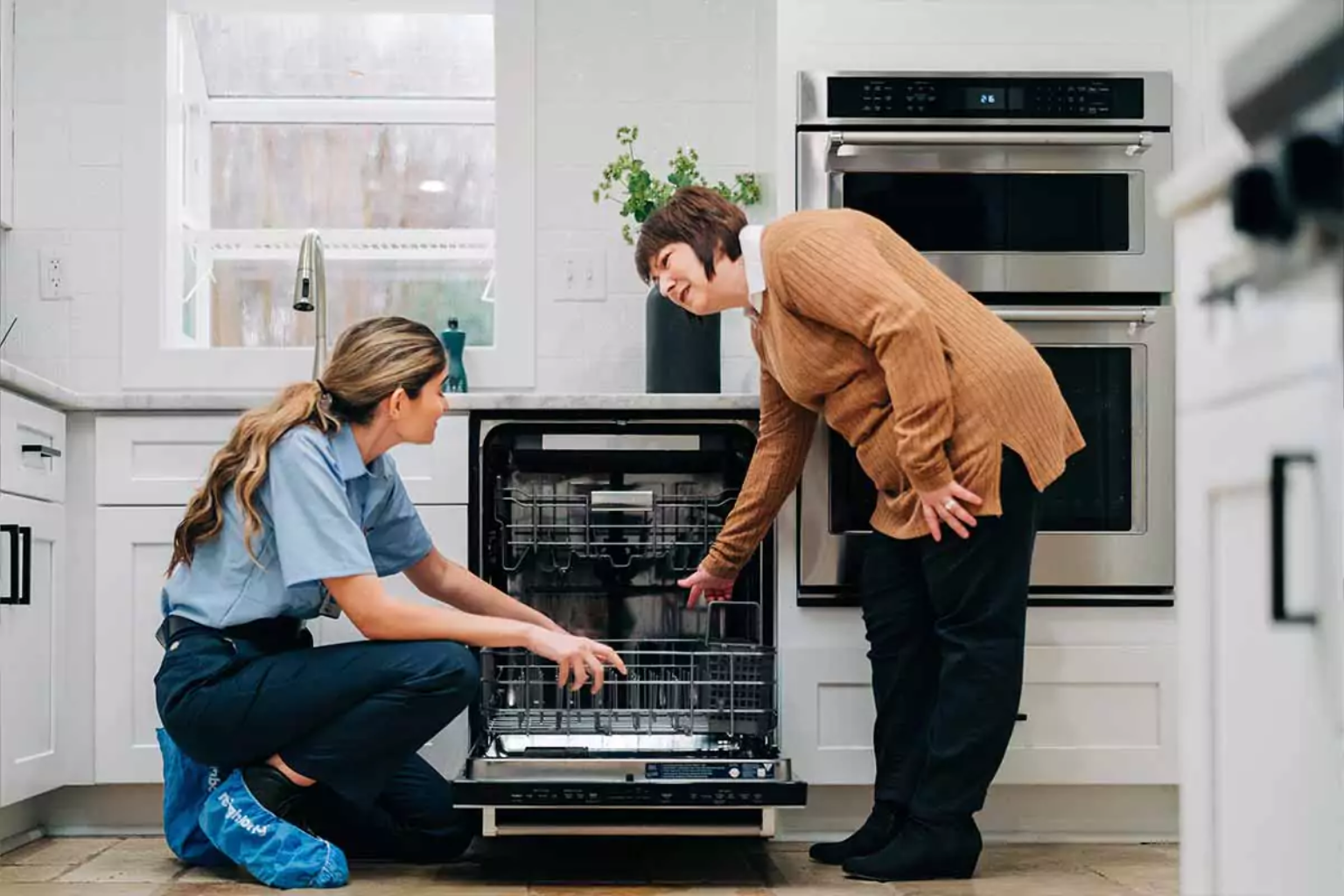
    • Respect for your home. Little things like showing up on time, using protective coverings, and cleaning up afterward matter more than most people realize.

    When those boxes are checked, the whole repair process feels less stressful. Instead of bracing for the worst, you feel like your home is in capable hands.


    Appliances as Investments, Not Just Machines

    It’s easy to forget how much appliances contribute to daily life until they stop. We see them as conveniences, but they’re also significant financial investments. A good repair doesn’t just get them working again—it extends their lifespan, which means you’re saving money in the long run.

    Think of it this way: spending a fraction of the cost of a new refrigerator on a repair is often the more sustainable and economical choice. Plus, it reduces waste, keeping one more machine out of the landfill. Reliable repairs are, in a way, a quiet act of environmental responsibility too.


    Wrapping It Up

    At the end of the day, no one enjoys dealing with broken appliances. But having the right people to call makes all the difference. Whether it’s the peace of mind of fair pricing, the confidence of experienced technicians, or the relief of quick and friendly service, those small details add up.
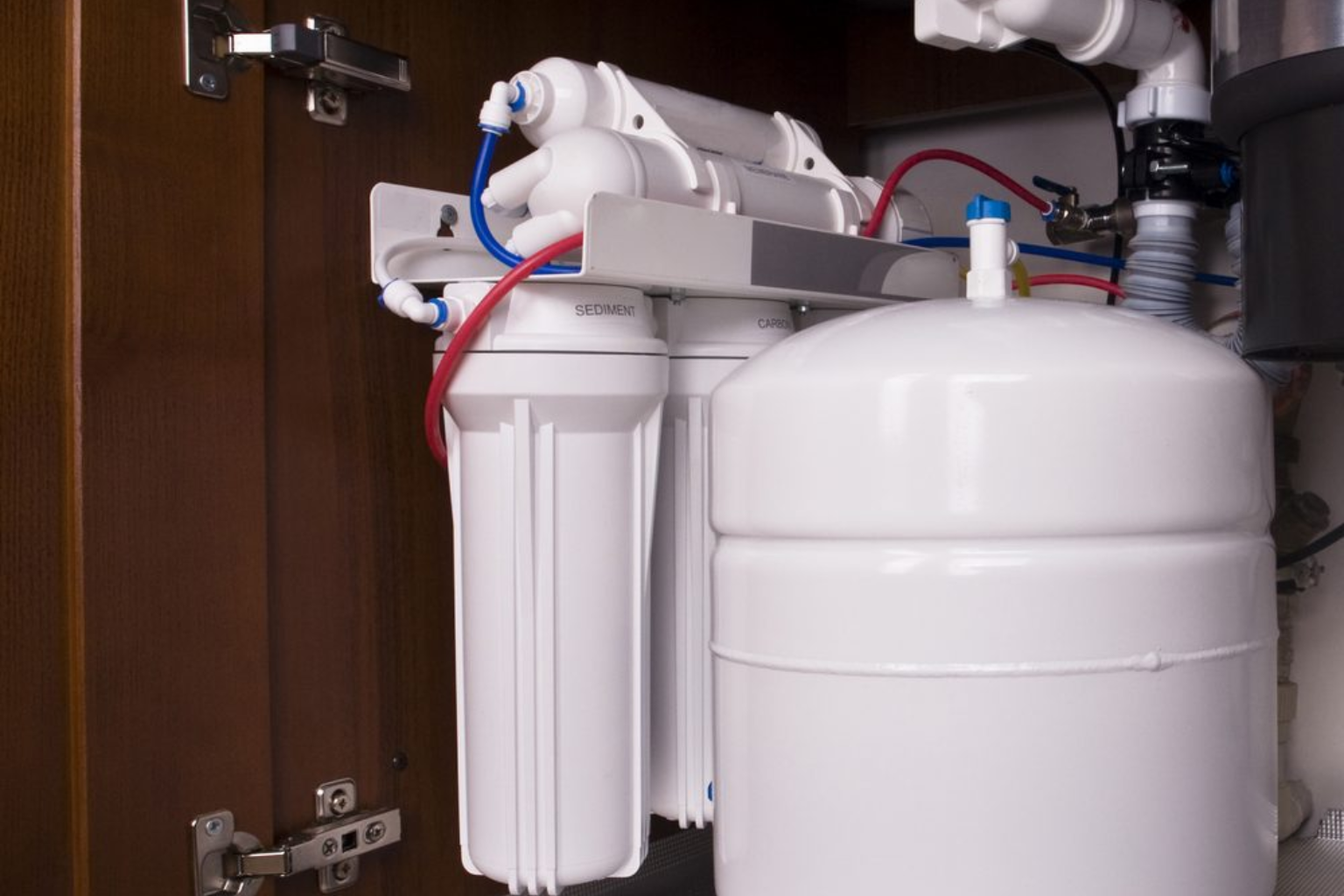
  • Why Hard Water Isn’t Just a Minor Annoyance—and What You Can Do About It

    Why Hard Water Isn’t Just a Minor Annoyance—and What You Can Do About It

    If you’ve ever scrubbed your shower door only to see those chalky streaks reappear the next day, you’re not alone. Hard water is one of those everyday headaches most people just live with, without really thinking about the toll it takes. It’s more than a few white spots on your faucets—it’s lurking in your pipes, dulling your laundry, and even messing with your skin and hair. And if you’ve ever wondered whether there’s a practical fix beyond buying endless bottles of vinegar or fancy shampoos, the answer is yes.

    I used to think of hard water as one of those “oh well, that’s life” problems, kind of like traffic jams or waiting in line at the post office. Then I learned that treating water isn’t only about vanity or convenience. It’s about protecting your home from damage and your family from discomfort. And the solutions aren’t nearly as complicated—or as expensive—as they might sound.


    What Hard Water Actually Means

    Let’s strip it back: hard water is just water with too many minerals in it, mainly calcium and magnesium. On the surface, that doesn’t sound bad. After all, aren’t minerals supposed to be healthy? Sure, in small amounts, they’re fine. But when they pile up inside your water supply, you start noticing the fallout. Your kettle gets that stubborn layer of scale, your soap doesn’t lather the way it should, and your white clothes start to look a little… dingy.

    That’s when most people begin searching for hard water treatment, hoping there’s a magic switch to flip. The truth is, there are a variety of approaches—some temporary, some long-term. Boiling water might work for a cup of tea, but it’s not going to save your dishwasher. What you really need is something that addresses the root cause.


    The Ripple Effect on Your Home

    The thing about hard water is that it’s sneaky. You might ignore it at first, but over time it chips away at your home’s infrastructure. Pipes can clog from scale buildup. Appliances like dishwashers and washing machines start working overtime, using more energy than they should. Even your water heater can become less efficient, which means higher utility bills.

    And then there’s the personal side. Hard water makes soap less effective, which leaves behind a film on your skin and hair. That might explain why your favorite shampoo never seems to rinse out fully, or why your skin feels tight and dry after a shower. For families dealing with sensitive skin or eczema, it can make things worse.

    So, while the limescale stains on your faucet are annoying, the bigger story is what you can’t see—silent wear and tear that adds up over time.


    Why a Water Softener Is the Go-To Fix

    If you’ve ever dug into solutions, you’ve probably come across the idea of a water softener system. At first glance, it can sound like overkill, but here’s the deal: softeners don’t just filter water; they change it. By swapping calcium and magnesium ions with sodium (or sometimes potassium), they effectively “soften” the water, preventing all that buildup from happening in the first place.

    The result is water that feels smoother, works better with soap, and doesn’t leave streaks on every surface it touches. Showers become more enjoyable, laundry comes out brighter, and your appliances last longer. It’s one of those upgrades that doesn’t just solve a problem—it quietly saves you money in the background.


    Exploring Other Paths

    Of course, water softeners aren’t the only option. Some people prefer conditioners that alter the structure of minerals rather than remove them. Others opt for filters that target specific contaminants. If you live in an area where your water is relatively balanced but just a little “harder than ideal,” a smaller-scale solution might do the trick.

    Still, nothing matches the reliability of a proper system designed to systemsoften hard water consistently. Think of it like buying sturdy shoes. You can make do with cheaper ones for a while, but eventually you’ll notice the discomfort. The right investment upfront saves a whole lot of hassle later on.


    Real-Life Payoffs

    I remember chatting with a neighbor who finally installed a softener after years of putting it off. Within a week, she swore her hair felt healthier, her kids weren’t scratching their dry arms anymore, and—this part made her laugh—her coffee maker actually looked brand new after a simple rinse.

    That’s the thing: the benefits aren’t just theoretical. They show up in your day-to-day life in small but meaningful ways. Softer towels. Cleaner glasses. Lower repair costs. And maybe, just maybe, less frustration when you step out of the shower.


    Thinking About the Bigger Picture

    Water is one of those resources we often take for granted. It comes out of the tap, we use it, and that’s that. But the quality of that water shapes so much of our daily routine, from how comfortable we feel in our own skin to how well our home runs in the background.

    Addressing hard water is really about making your environment kinder—to your body, your appliances, and your wallet. You don’t have to settle for chalky streaks and scratchy towels. You don’t have to keep replacing kettles or spending more than necessary on heating bills.


    Closing Thoughts

    If you’ve been shrugging off the signs of hard water, maybe it’s time to rethink. It’s not just a minor inconvenience; it’s a solvable problem that, once tackled, can quietly improve almost every corner of your home. Whether you go for a full softening system or a smaller-scale conditioner, the key is to stop treating hard water as a permanent fixture in your life.

  • When Methane Finds Its Way Into Your Water: What Homeowners Should Know

    When Methane Finds Its Way Into Your Water: What Homeowners Should Know

    Most people think of methane as the stuff that fuels stoves or powers energy plants. But when that same gas sneaks into your water supply, it feels like a plot twist no one asked for. Picture turning on the tap and noticing bubbles racing to the surface like soda fizz — only it’s not carbon dioxide, it’s methane. It looks odd, feels unsettling, and more importantly, it raises serious questions about safety and what can be done about it.

    Methane in water isn’t the kind of issue you hear about at the dinner table, yet it happens more often than most of us realize. In rural areas especially, where private wells dig deep into underground aquifers, methane can seep in from natural deposits or nearby drilling activity. And while methane itself isn’t toxic to drink in small amounts, it’s the flammability that gets everyone’s attention. Nobody wants to worry about lighting a candle in the kitchen and having a water glass catch fire.

    How does methane end up in drinking water?

    The backstory of methane in groundwater often comes down to geology. Deep below the earth’s surface, organic matter breaks down over millions of years, creating pockets of natural gas. Sometimes, due to cracks, pressure, or even human activity like drilling, that gas migrates upward and mingles with groundwater. Once it’s in your well, it doesn’t just disappear on its own. Every shower, every pot of boiling pasta water, every glass you pour can release those little invisible bubbles.

    The science might sound fascinating in a textbook, but living with it? Not so much. Many homeowners describe their water as “sparkling” even when they never ordered it that way. That fizz is methane, and while it doesn’t always pose immediate health risks when consumed, it creates potential hazards in your home environment. Imagine a basement with poor ventilation where methane accumulates — suddenly, a simple pilot light can turn into a dangerous situation.

    Detecting the invisible intruder

    Unlike sulfur (with its rotten-egg smell) or iron (with its orange stains), methane doesn’t announce itself with any obvious warning. It’s colorless, odorless, and tasteless. Most folks only suspect it when they see excessive bubbling or, in rare dramatic cases, flames when lighting water straight from the faucet.

    Testing is the only reliable way to know for sure. Water specialists often collect samples directly from the well and analyze gas content. If methane levels are above recommended thresholds, action is necessary. It’s not about fearmongering — it’s about protecting your home and family. Even if no one gets sick from drinking it, the fire risk alone is worth paying attention to.

    Solutions that actually work

    So, what can you do if your water is laced with methane? Boiling it won’t help (in fact, it makes things worse by releasing more gas into the air). Bottled water is a temporary band-aid, not a solution. What really makes a difference is installing a methane removal water system designed to vent and strip the gas out before the water reaches your taps.

    These systems usually work by aeration — forcing water to mix with air so methane can escape safely outdoors instead of lingering in your home. In more complex cases, multi-stage setups may be used, especially when wells show very high methane concentrations. The key is finding the right fit for your household’s water usage and risk level.

    Why professional installation matters

    There are plenty of do-it-yourself fixes online, but methane isn’t something to gamble with. A poorly vented system can allow gas buildup indoors, which defeats the whole purpose. Professionals don’t just install equipment; they measure concentrations, consider ventilation pathways, and tailor solutions so your water is consistently safe. Think of it as the difference between patching a leaky pipe with duct tape versus having a plumber rebuild the section properly.

    An effective water filtration for methane gas setup also needs maintenance over time. Aeration tanks, venting fans, and mechanical parts should be inspected regularly to make sure the system is working at full capacity. Methane may be invisible, but you definitely don’t want to trust it blindly.

    Peace of mind in the everyday

    There’s something comforting about being able to pour a glass of water without giving it a second thought. Nobody wants to wonder if their sink is secretly doubling as a gas line. Once the right system is in place, that low-level worry fades, and water goes back to being what it should be: clear, safe, uneventful.

    The truth is, methane in water isn’t always a headline issue, but for the families who discover it bubbling in their well, it becomes deeply personal. Addressing it with a home water gas filter isn’t just about following environmental guidelines or ticking a box. It’s about making your home a safe space again, free from invisible risks lurking in the most ordinary routines.

    Final thoughts

    Clean water feels like such a basic thing — until it’s compromised. Methane intrusion reminds us that what comes out of the tap isn’t guaranteed. For those living with private wells, vigilance matters. Test the water, pay attention to the signs, and don’t shrug off the fizz.

    When handled correctly, methane in water doesn’t have to be a lifelong problem. The right system, installed and maintained properly, can restore both safety and peace of mind. At the end of the day, that’s really what we’re all after — a home where water is just water, nothing more, nothing less.

  • Finding the Right Plumber: Why Good Service Matters More Than You Think

    Finding the Right Plumber: Why Good Service Matters More Than You Think

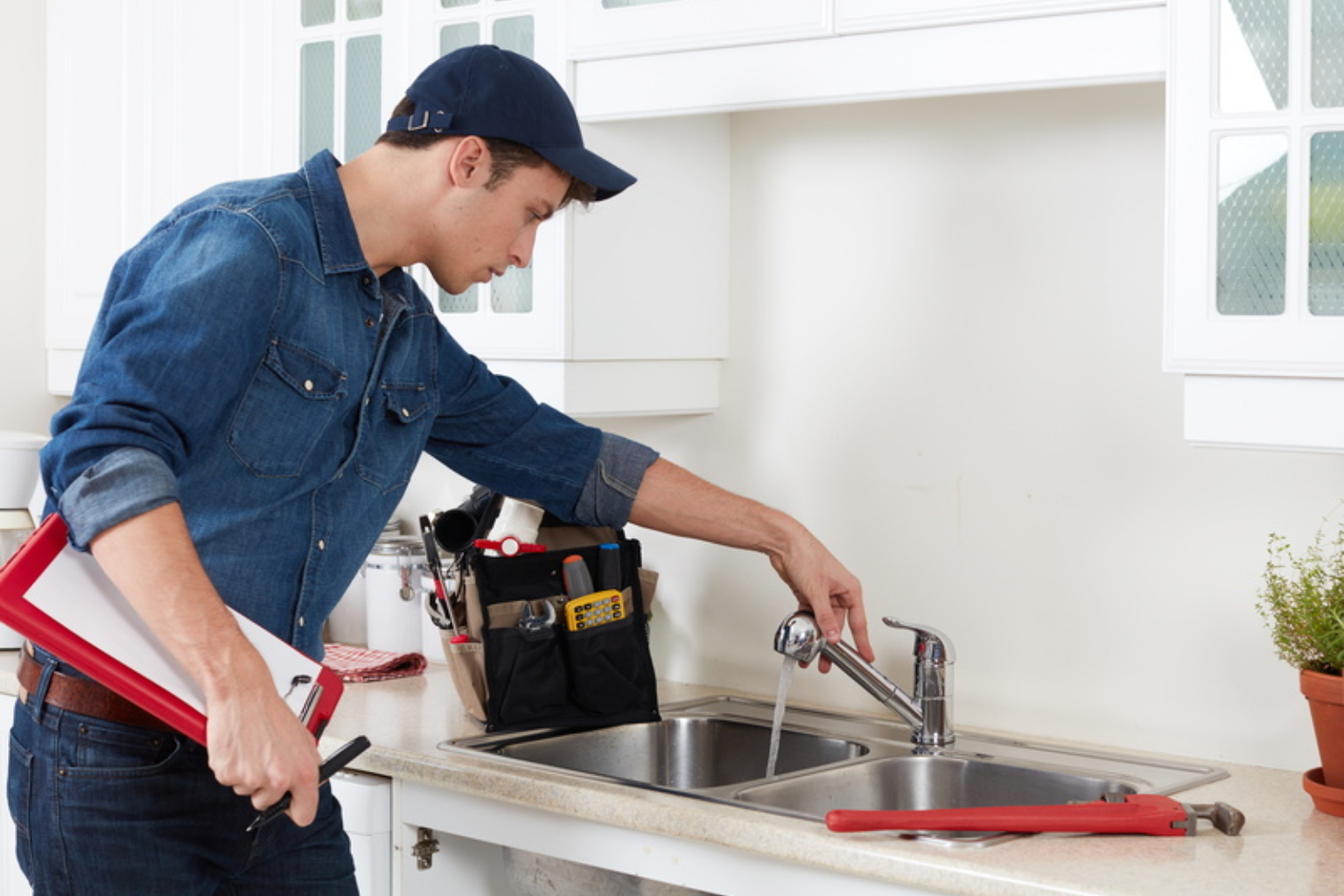
    It’s easy to take running water for granted until the moment something goes wrong. A dripping faucet that keeps you up at night, a water heater that suddenly refuses to cooperate, or worse, a burst pipe that sends you scrambling for towels in the middle of dinner. Plumbing issues have a way of showing up uninvited, usually at the worst possible times. And when they do, finding someone reliable isn’t just about convenience—it’s about peace of mind.

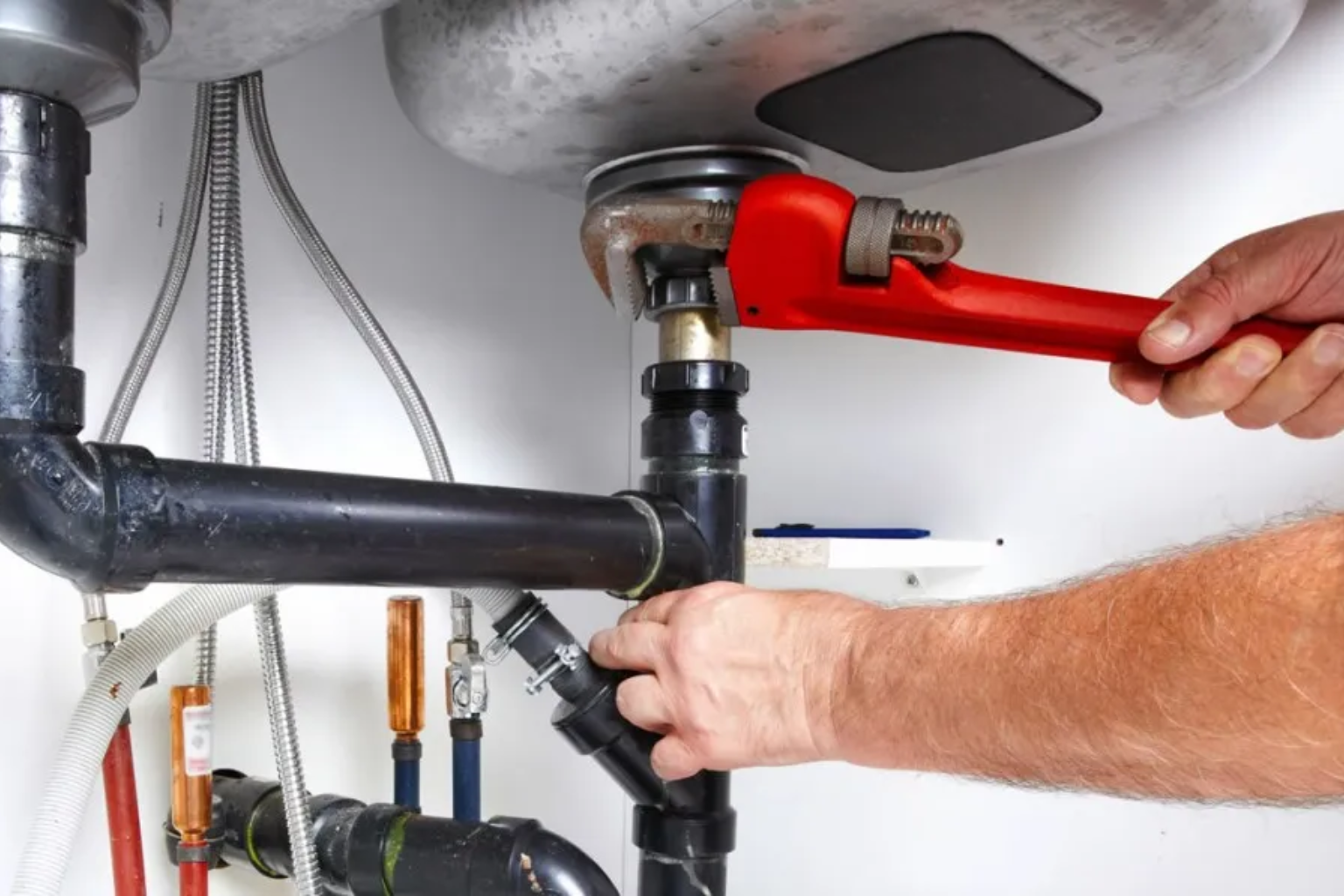
    The truth is, plumbing isn’t glamorous. Nobody brags about their shiny new pipes or perfectly installed water lines. But behind every comfortable home is a system that’s quietly working hard, day in and day out. The people who know how to install and maintain that system well? They’re worth their weight in gold. That’s where Plumbing installation services come in—because a properly set-up system saves you from costly surprises later on. Think of it as the difference between patching an old leaky roof versus investing in a new one. One is a Band-Aid, the other is long-term security.

    Why Trust Matters So Much

    When you let a plumber into your home, you’re not just paying for tools and technical know-how. You’re trusting someone with the comfort and safety of your space. A poorly done job doesn’t just leave you frustrated—it can lead to bigger bills, water damage, and endless headaches. That’s why the personal side of plumbing often matters just as much as the technical side.

    The best professionals don’t just fix pipes; they listen. They ask questions, explain what’s happening in a way you can understand, and treat your home like it’s their own. You can tell when someone genuinely cares about their work, and in plumbing, that little bit of care can mean a world of difference. After all, no one wants to feel like just another job on a long checklist.

    The Value of Local Knowledge

    One of the perks of working with Local plumbing repair experts is that they understand the quirks of your area. Water quality, soil conditions, old housing stock—they’ve seen it all. If you live in an older neighborhood with creaky pipes, they’ll know what to look for. If your town has notoriously hard water, they’ll be the first to suggest solutions before scale buildup ruins your appliances. That local experience isn’t something you can Google or learn overnight; it comes from years of working with families and businesses in the community.

    And let’s be honest: calling a local pro usually means faster service. Nobody wants to wait three days for someone to drive in from across the state when water is pooling under the kitchen sink. With a local plumber, there’s accountability too. They’re not just fixing your problem; they’re building a reputation in the very community they call home.

    Balancing Cost with Quality

    Of course, plumbing comes with a price tag, and it’s tempting to go for the cheapest option you find online. But here’s the catch: the cheapest job often isn’t the best job. A quick fix might save a few bucks today but end up costing far more tomorrow. That’s where doing your homework pays off.

    Instead of asking, “Who’s the cheapest?” it’s worth asking, “Who’s going to do it right?” The Best plumbing company near me is rarely the one cutting corners. It’s the one that combines fair pricing with honest service, a solid reputation, and a guarantee that the work will hold up. Think of it like buying shoes—you might save money with a flimsy pair, but sooner or later, you’ll be back in the store replacing them.

    What to Look for When Choosing a Plumber

    If you’re in the market for a plumber, here are a few things worth keeping in mind:

    • Licensing and insurance. It sounds boring, but it protects you if something goes wrong.
    • Clear communication. If they can explain the issue without drowning you in jargon, that’s a good sign.
    • References or reviews. Real feedback from real people is often the most reliable way to judge service.
    • Transparency in pricing. Hidden fees are a red flag. A good plumber will be upfront about costs.

    You don’t need to be a plumbing expert to know when someone feels trustworthy. It’s the little things—showing up on time, keeping the work area clean, being respectful of your schedule—that leave you feeling confident about your choice.

    Why Preventative Care Is Smarter

    Most people don’t think about their plumbing until something breaks. But much like cars, plumbing systems benefit from preventative care. Regular checkups, small adjustments, and timely replacements can prevent those sudden disasters that throw your day (and your budget) off course. A plumber who offers ongoing maintenance isn’t trying to upsell you; they’re saving you from those frantic, late-night emergencies.

    Imagine a yearly inspection that catches a corroding pipe before it bursts. Or a quick drain cleaning that stops a clog from turning into a sewer backup. These small measures may not feel urgent, but they’re the reason some homeowners never have to experience the stress of a plumbing crisis.

    Wrapping It Up

    At the end of the day, plumbing is about more than pipes and fittings. It’s about reliability, trust, and the quiet assurance that when you turn the handle, water will flow without a problem. Whether you’re remodeling your bathroom, fixing a leak, or just wanting to avoid future surprises, finding the right plumber makes all the difference.

    So, the next time you’re faced with a plumbing issue, resist the urge to just click on the first name you see online. Take a moment to find someone who’s skilled, local, and genuinely invested in doing the job right. Because good plumbing might not be glamorous—but when it works, it’s the foundation of a comfortable, stress-free home.

  • Plumbing That Works When You Need It: Reliable Help Across New Mexico

    Plumbing That Works When You Need It: Reliable Help Across New Mexico

    Plumbing has this strange way of staying invisible — until it doesn’t. You go about your daily routine, washing dishes, taking showers, running laundry, and it all feels automatic. Then one morning, the hot water runs cold, or the bathroom sink refuses to drain, and suddenly plumbing is the only thing you can think about. It doesn’t take a disaster to disrupt life; even small plumbing issues have a way of demanding attention.

    In those moments, it helps to know there are skilled professionals close by who can step in quickly. Many homeowners have turned to trusted names like Kenzie Plumbing repair experts NM, who bring not just technical know-how but also a sense of calm when everything else feels chaotic. Because let’s be honest — plumbing isn’t just about pipes and water. It’s about comfort, routine, and the ability to keep life moving without unnecessary stress.


    Small Problems, Big Impact

    It’s easy to brush off that dripping faucet or the toilet that always runs a little longer than it should. But the truth is, those small annoyances add up. They waste water, increase bills, and often signal deeper issues hiding in the background. Ignoring them doesn’t make them go away — it just gives them time to grow.

    Calling in a plumber before things spiral out of control isn’t just about fixing the obvious. It’s about prevention. A professional can catch what you can’t see, saving you from the unpleasant surprise of a bigger repair later down the line.


    Businesses Need Steady Plumbing Too

    Plumbing is more than a household concern. Restaurants can’t operate with clogged drains, schools can’t manage without functional restrooms, and offices certainly can’t afford leaks disrupting employees and clients. For businesses, plumbing issues aren’t just inconvenient — they’re costly interruptions that ripple across the day.

    That’s why so many local companies rely on Kenzie Plumbing contractors in NM, who understand the stakes. They know how to handle large-scale systems, move quickly to minimize downtime, and deliver fixes that last. For businesses, reliable plumbing isn’t just a convenience — it’s part of keeping the doors open and the lights on.


    The Advantage of Local Experience

    Every region has its quirks when it comes to plumbing. New Mexico is no exception. Hard water, older pipework in some neighborhoods, and even soil conditions can all influence how plumbing systems behave. Someone who’s worked locally for years knows these patterns inside and out.

    That local expertise translates into faster diagnoses, smarter solutions, and work that actually fits the unique conditions here. It’s the kind of insight you don’t get from a big chain dropping into town — it’s earned through years of solving the same kinds of problems for neighbors and businesses alike.


    Emergencies Don’t Wait for Your Schedule

    If there’s one truth about plumbing problems, it’s that they never arrive at a convenient time. Pipes burst in the middle of the night. Water heaters fail on freezing mornings. Drains back up right before guests arrive. In those stressful moments, waiting isn’t an option.

    That’s where emergency availability matters most. Having a plumber who actually answers the phone and shows up when you need them can turn a full-blown crisis into a manageable situation. And once you’ve had that experience, you’ll never forget who came through when you needed help the most.


    Balancing Affordability and Quality

    Nobody looks forward to paying for plumbing work. But cutting corners usually ends up costing more in the long run. A cheap patch that fails in a month isn’t really a bargain. What people in New Mexico want — and deserve — is fair pricing with lasting results.

    The best plumbers are upfront about costs, clear in their communication, and focused on long-term solutions. That transparency builds trust. And trust is what makes people call the same company again and again, instead of rolling the dice with whoever pops up first in a search.


    The Human Side of Plumbing

    Plumbing is a technical trade, sure. But behind every wrench and pipe cutter is a person walking into someone’s home during a stressful time. Good plumbers don’t just fix the leak or unclog the drain — they listen, explain, and treat people with respect. That empathy is what sticks with customers long after the water is flowing again.

    This balance of professionalism and care is why so many households value Kenzie Plumbing solutions New Mexico. It’s not just about solving today’s problem — it’s about leaving people feeling reassured, respected, and confident that they’ve chosen the right team.


    Prevention Is Always Cheaper

    Here’s something worth remembering: most plumbing emergencies can be avoided. Regular maintenance, like drain cleaning, water heater servicing, and pipe inspections, can stop small issues before they explode into major problems. It’s not glamorous, but it’s the smarter way to care for a home or business.

    A plumber who encourages prevention isn’t just thinking about today’s invoice. They’re thinking about long-term comfort and stability. That kind of foresight turns a service provider into a trusted partner.


    Wrapping It All Up

    Plumbing might not be something you celebrate every day, but it quietly supports everything else in your life. When it works, you barely notice it. When it fails, everything else screeches to a halt. That’s why reliable plumbing professionals matter so much in New Mexico.

    Whether it’s a running toilet that won’t quit, a water heater ready to retire, or a commercial system under pressure, skilled plumbers bring more than tools — they bring reassurance. They restore comfort, protect routines, and keep life flowing as it should.

    At the end of the day, plumbing isn’t just about pipes. It’s about homes staying livable, businesses staying open, and people knowing that help is close by when they need it most.

  • Why Clean, Reliable Water Systems Are More Important Than Ever

    Why Clean, Reliable Water Systems Are More Important Than Ever

    It’s funny how most of us don’t think about water until something goes wrong. A sputtering faucet, a mysterious drop in pressure, or worse—a brownish tint in what should be crystal-clear water—suddenly makes you realize how much you rely on it. Water isn’t just about quenching thirst; it runs through nearly every part of daily life, from cooking to cleaning, and even the comfort of a hot shower after a long day.

    Behind that convenience, though, is a maze of systems and equipment designed to keep things flowing smoothly. And while it might feel like magic when you twist a knob and water appears, there’s a whole lot of science, engineering, and ongoing maintenance that makes it happen.

    The Quiet Backbone of a Home or Business

    Think about it: plumbing and water infrastructure don’t exactly get the same kind of attention as, say, interior design. You’ll scroll endlessly for kitchen tiles or fancy light fixtures, but ask someone when they last checked their water system, and you’ll probably get a blank stare. Yet, that unseen network is the backbone of your comfort and safety.

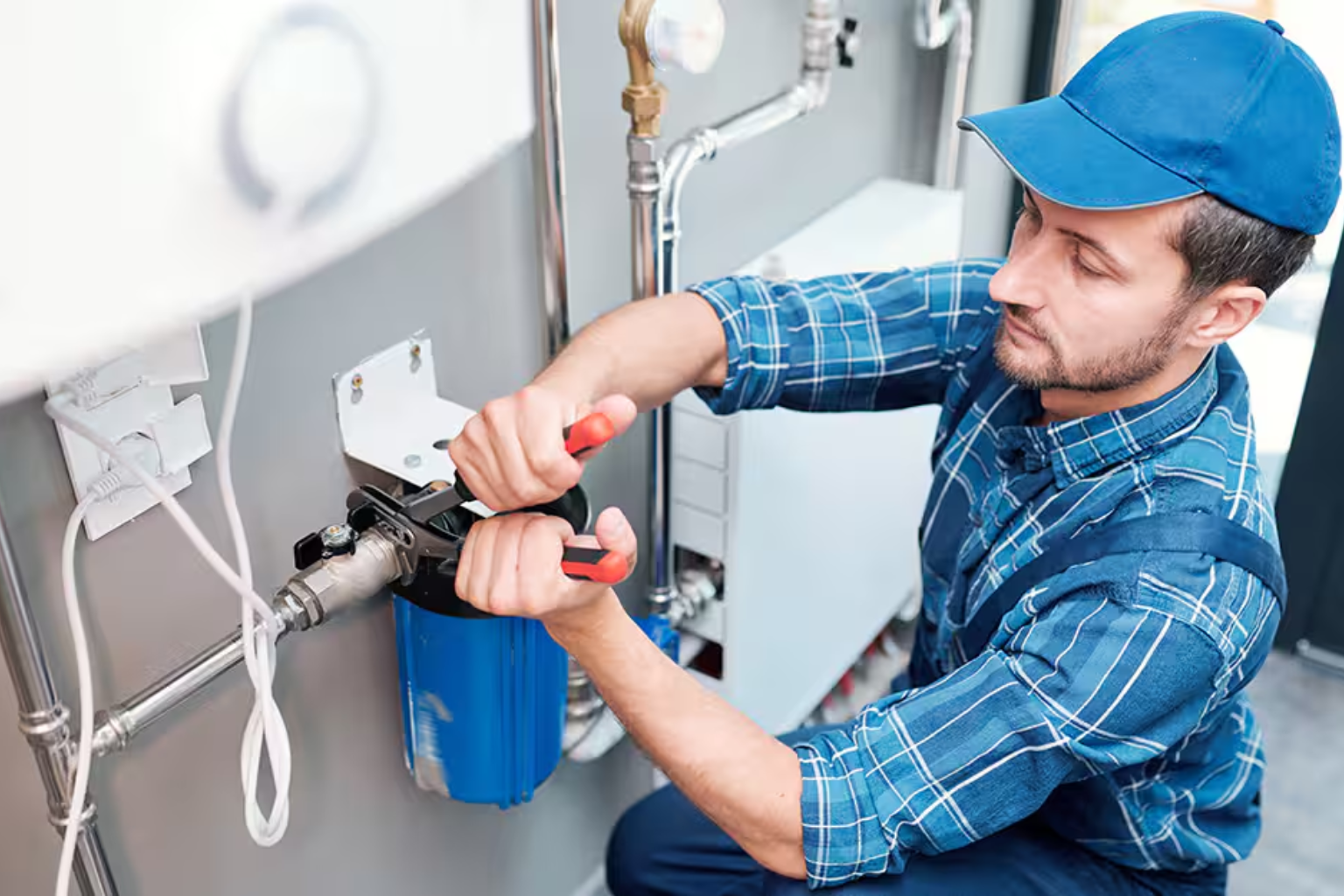
    When a property is built or renovated, the first step toward reliability is usually water system installation and service. It’s not just putting in pipes and walking away. A good setup ensures everything—flow, filtration, temperature, even safety valves—works in harmony. And here’s the kicker: the initial installation is just the beginning. Service, regular checks, and small adjustments over time make the difference between a system that quietly supports you for decades and one that becomes a headache every other month.

    When Wells Become Lifelines

    In rural areas, or even some suburban communities, water doesn’t arrive with the city’s infrastructure. Instead, it comes from wells. This independence can feel empowering—your own direct connection to the water beneath your land—but it also comes with responsibility. Pumps, for instance, are the muscle behind that independence.

    Here’s the thing about pumps: when they fail, they don’t exactly give you weeks of warning. You notice it immediately—water pressure drops, faucets run dry, and daily life hits a hard pause. That’s why well pump repair and replacement is one of those services that people usually discover in a moment of panic. But it doesn’t have to be that way. Like cars, pumps benefit from preventative care. Regular inspections can catch subtle issues before they spiral into expensive emergencies.

    And honestly, if you’ve ever had to lug buckets of water from somewhere else while waiting for a repair crew, you’ll know why a proactive approach makes life a lot less stressful.

    The Bigger Picture: Clean Water on a Larger Scale

    Now let’s zoom out for a moment. While homeowners might worry about their showers and cooking water, businesses and industries face an entirely different challenge. They don’t just need water; they need water at scale, often treated to meet very specific quality standards. That’s where industrial water purification systems come into play.

    Imagine a food-processing plant, a pharmaceutical company, or even a large-scale beverage factory. For them, water isn’t just for drinking; it’s a critical ingredient in their product. Purity affects not just taste but also safety, compliance with regulations, and brand reputation. These systems often combine multiple layers of filtration, reverse osmosis, UV sterilization, and other technologies to achieve water that’s reliable, safe, and consistent.

    And the stakes couldn’t be higher. A minor contamination in an industrial setting isn’t just inconvenient; it can shut down production, spark recalls, or even harm public health. That’s why investment in robust purification systems isn’t optional—it’s a cornerstone of running a responsible and sustainable operation.

    The Hidden Cost of Neglect

    Here’s the irony: people often hesitate to spend money on preventative maintenance for their water systems, yet the cost of neglect is almost always higher. Think of it this way—would you skip oil changes for your car because you “don’t feel like spending the money”? Probably not. And yet, water systems quietly work away in the background, out of sight, and are too easy to ignore.

    Neglect leads to bigger, messier problems. Pipes corrode, filters clog, pumps fail. And when that happens, you’re not just dealing with inconvenience—you could be staring down hefty bills, water damage, or even health risks. Safe water isn’t just a luxury; it’s a necessity.

    Why Expertise Matters

    Sure, you could try to DIY some aspects of your system. Maybe swap a filter, tighten a valve, or poke around the pump housing. But water infrastructure isn’t as forgiving as hanging a picture frame slightly crooked. A small mistake can snowball into leaks, contamination, or even damage to your property’s foundation.

    That’s why choosing trusted professionals—people who’ve seen every quirk and failure mode imaginable—matters. They don’t just bring tools; they bring judgment, experience, and the ability to solve problems before they ruin your day.

    Thinking Long-Term

    The smartest approach to water systems isn’t reactive, it’s proactive. Schedule check-ups. Ask questions about efficiency. Upgrade equipment before it limps into its final days. If you’re running a business, think about scalability—how much water will you need in five or ten years, and what systems can grow with you?

    And don’t forget the environmental angle. Modern systems are designed to minimize waste, reduce energy consumption, and even recycle water where possible. What used to be seen as extra “green features” are now simply good business practice.

    The Bottom Line

    Water is so woven into our daily lives that it’s easy to overlook—until it’s not there, or not clean. Whether it’s the peace of mind that comes from a well-installed household system, the security of knowing your well pump is reliable, or the massive responsibility of ensuring industrial operations deliver safe, pure water at scale, one thing’s clear: water systems aren’t just background details. They’re front and center in the quality of life and the success of businesses.

    So, the next time you casually turn on a faucet, maybe take a moment to appreciate the invisible network that makes that simple act possible. And perhaps more importantly—take care of it before it reminds you, in the harshest way possible, just how vital it really is.

  • When Your Espresso Machine Needs a Doctor: A Guide to Reliable Repairs and Lasting Brews

    When Your Espresso Machine Needs a Doctor: A Guide to Reliable Repairs and Lasting Brews

    There’s something deeply personal about a morning cup of coffee. For some people, it’s just a drink. For others, it’s ritual, comfort, and fuel all rolled into one steaming mug. If you’re in Alabama, chances are you know how central coffee is to daily life — from local cafes buzzing with regulars to quiet kitchens where one person and their machine make magic every morning. But when that beloved espresso machine sputters, drips, or gives up altogether, the world feels just a bit out of order. That’s when you start thinking about espresso machine repair AL and realizing it’s not something you can push off for long.


    Why Espresso Machines Break Down in the First Place

    Espresso machines aren’t simple gadgets. They’re part science lab, part industrial engine, and part art form. Inside are boilers, pumps, seals, valves, and electronics — all working under pressure to pull that perfect shot. Over time, scale builds up, seals wear out, sensors fail, or a neglected cleaning routine leads to clogged filters. Even high-end models need attention, and if you’re running a busy café, your equipment works harder than most people realize.

    The truth is, breakdowns usually don’t happen overnight. A drip here, a slightly weaker shot there, maybe a pump that sounds different — these are the warning signs. Ignoring them can turn a minor fix into a costly overhaul.


    The Stakes Are Higher for Businesses

    For home users, a broken espresso machine is a frustrating inconvenience. For café owners, it’s a potential crisis. Imagine opening on a busy morning only to discover your espresso machine has gone cold. Customers don’t wait. They walk down the street to the next shop. That’s lost sales, but also lost trust.

    This is why many cafés invest in regular maintenance contracts instead of waiting for things to go wrong. It’s not just about fixing something broken — it’s about preventing downtime. In the world of commercial espresso machine repair, reliability matters as much as the repair itself. The technician you call isn’t just saving your equipment; they’re protecting your reputation.


    Choosing the Right Repair Service

    Not all repair services are equal. Some technicians specialize in household models, while others are trained to handle high-volume commercial machines. Before you book a service, it’s worth asking a few questions:

    • Do they work with your brand and model?
    • Are they authorized or factory-trained?
    • Can they source genuine parts quickly?
    • Do they offer emergency callouts?

    There’s also the matter of transparency. A good repair technician doesn’t just fix the problem; they explain it. They’ll tell you why that gasket failed, how to prevent buildup in the future, and when to expect the next part to need attention.

    And then there’s response time. Let’s be honest — when you search espresso machine repair service near me, you’re not planning for next month. You need someone today, maybe even in the next few hours. That’s where local services earn their keep: speed, familiarity with the community, and the ability to show up when you need them most.


    The Hidden Costs of Neglect

    Some folks think repairs are optional — keep running the machine until it completely dies, then figure it out. But espresso machines don’t work that way. A small leak can corrode metal. A blocked valve can strain the pump. A simple descaling that costs a fraction of the price might prevent a boiler replacement.

    If you’ve ever owned a car, you know the drill: oil changes, brake checks, tire rotations. Skip them, and you pay more later. Espresso machines are no different. Preventive care is always cheaper than emergency replacement.


    DIY vs. Professional Repair

    YouTube makes everything look easy. And yes, there are small maintenance tasks you can handle yourself: backflushing, wiping down group heads, soaking portafilters. But when it comes to replacing seals, diagnosing electrical issues, or recalibrating boilers, that’s another story.

    Professional technicians have the right tools, the right parts, and most importantly, the experience. They’ve seen machines in every state of neglect and know the difference between a five-minute fix and a hidden fault that’ll resurface in a week.

    There’s also the warranty factor. Many machines lose coverage if unqualified hands start tinkering inside. Sometimes the smartest (and cheapest long-term) choice is to step back and let a pro handle it.


    Keeping Your Machine in Top Shape

    Whether you own a single home machine or run a café with multiple units, a little care goes a long way. Here are some practical habits to extend the life of your espresso machine:

    • Daily Cleaning: Backflush with water and wipe down group heads.
    • Weekly Deep Clean: Use approved cleaning tablets or powders.
    • Water Quality: Invest in filtration — scale is the silent killer of espresso machines.
    • Regular Descaling: Even filtered water leaves some residue.
    • Scheduled Maintenance: Don’t wait for something to break; book inspections.

    Think of it as insurance. A well-maintained machine not only lasts longer but also delivers better-tasting coffee every time.


    The Emotional Side of Repairs

    Here’s the thing: espresso machines aren’t just tools. They’re companions to our daily lives. They’re part of the reason people fall in love with coffee culture — the hiss of steam, the warmth of the cup, the first sip that feels like a reward.

    When a machine breaks, it’s not just about mechanics. It’s about losing a piece of that ritual. That’s why good repair services don’t treat machines like lifeless objects. They understand the emotional weight behind every service call. They know they’re not just fixing metal and wires — they’re restoring mornings, saving first dates at cafés, and keeping the lifeblood of small businesses flowing.


    Final Thoughts

    Espresso machines are investments — in taste, in business, in daily happiness. Like all investments, they need care. Whether you’re a homeowner nursing your daily shot or a café owner juggling dozens of lattes an hour, choosing the right repair service is key.

    So the next time you hear an odd noise, notice weaker crema, or spot a leak under the machine, don’t shrug it off. Don’t wait until you’re scrambling at the last minute. Make the call, schedule the maintenance, and keep your machine in fighting shape.

    Because at the end of the day, it’s not just coffee you’re protecting — it’s everything that coffee represents.

  • The Overlooked Importance of Water Sanitation in Commercial Spaces

    The Overlooked Importance of Water Sanitation in Commercial Spaces

    If you’ve ever walked into a restaurant, office, or even a hotel and thought, “Something feels clean here,” chances are it wasn’t just the sparkling floors or neatly arranged décor. Behind the scenes, there’s a less glamorous but critical system at play — water sanitation. It’s not the kind of thing that usually makes it into the customer experience reviews, but in truth, it should. Because water, and the way it’s managed, tells you a lot about how seriously a business takes health, safety, and compliance.

    And yet, water sanitation is often invisible until it’s a problem. A small oversight, like contaminated water lines or poorly maintained systems, can snowball into major health risks or even lawsuits. This is why commercial water sanitation has quietly become one of the most crucial responsibilities for any business that values safety and reputation.


    Why It’s More Than Just Clean Water

    When people hear “sanitation,” most think about the water they drink. But in reality, it’s much more layered. Commercial properties deal with water in dozens of ways — from cooling towers to kitchens, industrial processes, and even decorative fountains in a lobby. Each of these touchpoints can become a breeding ground for bacteria or mold if ignored.

    One notorious example is Legionella, a bacteria that thrives in stagnant or untreated water systems. Outbreaks of Legionnaires’ disease have been traced back to hotels, hospitals, and offices. Beyond the obvious health risks, the PR damage for a brand can be devastating. No business wants to be remembered for a headline that reads “Hotel Guests Sickened by Unsafe Water.”

    That’s why commercial spaces can’t afford a reactive approach. Being proactive with water sanitation isn’t just good practice — it’s a non-negotiable.


    The Compliance Puzzle

    It’s one thing to understand the need for clean water. It’s another to stay on top of the regulations that govern it. Standards differ depending on the country, the industry, and even the type of property. For example, healthcare facilities must follow stricter requirements than a corporate office building.

    This is where the complexity really kicks in. Managers already juggle a hundred responsibilities, and deciphering regulatory jargon about chemical levels, flushing schedules, or inspection reports can feel overwhelming. That’s why many organizations turn to a commercial water sanitation compliance service.

    These services essentially act as a bridge between everyday operations and ever-changing regulations. They help businesses stay compliant, avoid fines, and, most importantly, keep people safe. Think of it as having a trusted translator who can convert dense legal requirements into actionable steps — without the headache.


    Why Professional Services Make All the Difference

    Here’s the truth: water sanitation in commercial spaces isn’t something you can fully DIY. Sure, staff can be trained to follow hygiene practices, but the actual testing, treating, and monitoring often require advanced knowledge and equipment.

    That’s why businesses invest in commercial water sanitation services. These professionals don’t just run routine checks — they build tailored strategies based on a building’s unique systems. For instance, a high-rise office with dozens of water outlets will need a different approach compared to a food processing facility or a school.

    Professionals monitor water quality continuously, apply treatments, and maintain records that can be critical in the event of an audit or inspection. But beyond compliance, there’s peace of mind. Knowing that experts are on top of things lets business owners focus on their actual work instead of worrying about what’s happening in the pipes.


    The Business Case You Can’t Ignore

    Now, if you’re a decision-maker, you might be thinking, “This all sounds important, but isn’t it expensive?” The honest answer is — yes, there’s an investment. But the bigger picture says it’s not just a cost, it’s an insurance policy.

    Think of the alternative. A water-related outbreak, even if it impacts just a handful of people, can lead to lawsuits, medical claims, and lasting reputational damage. In some industries, failing to comply with sanitation regulations can shut down operations altogether. Compared to those risks, the cost of professional services looks a lot more like common sense.

    In fact, some companies even find that investing in robust sanitation systems improves their image. Customers trust businesses that demonstrate responsibility, and safe water is part of that equation — even if it’s not something people consciously notice every day.


    A Quiet Foundation for Trust

    We live in a world where branding often gets more attention than basics. Companies spend millions polishing their marketing messages, but none of it matters if the fundamentals — like safe water — aren’t in place. Water sanitation may not be glamorous, but it’s foundational.

    When businesses prioritize it, they’re sending an unspoken message: We care about your safety more than you know. And while most customers won’t ever ask about water testing or compliance reports, they’ll certainly notice if something goes wrong.

    The businesses that stand out long-term are the ones that understand this balance — the blend of visible polish and invisible responsibility.


    Final Thoughts

    At the end of the day, commercial water sanitation isn’t just about ticking boxes on a compliance checklist. It’s about responsibility, foresight, and protecting the very people who make a business thrive — employees, customers, guests, patients, and the community at large.

    Yes, the pipes and tanks and treatment systems are hidden away, but the trust they sustain is very much in the open. So if you’re running a business, consider water sanitation not as another operational burden, but as one of the quiet pillars holding up your reputation.

    Because in business, as in life, the details people don’t see often matter the most.

  • When the Morning Shot Goes Cold: A Real-Life Look at Espresso Machine Repair

    When the Morning Shot Goes Cold: A Real-Life Look at Espresso Machine Repair

    There’s nothing quite like that first sip of espresso in the morning. It’s not just about caffeine—it’s a ritual. A comfort. A small, deeply personal celebration of the day ahead. So when your beloved espresso machine decides to throw a tantrum? That sacred morning moment turns into a confusing mix of stress, disappointment, and a deep, existential why me?

    Whether your machine’s making strange noises, refusing to heat, leaking, or just stopped altogether, you’re probably here because you typed “espresso machine repair” into your search bar with hope in your heart and a half-full cup of regular coffee in your hand. And let’s be honest: it’s just not the same.

    Here’s the good news—you’re not alone, and most espresso machines can be fixed. But before you start taking screws out or swearing at the steam wand, let’s talk through it—what could be wrong, what’s worth repairing, and when it’s time to bring in a pro.


    Your Espresso Machine Is a Little Diva—Treat It Accordingly

    Here’s the thing: espresso machines are dramatic little devices. They’ve got pressurized systems, precise temperature needs, multiple internal components, and usually a few delicate sensors hiding inside. When everything’s working perfectly, it’s magic. When something’s off? You’ll know right away.

    What makes them trickier than, say, a basic drip coffee pot, is that even small issues can affect the entire process. And because espresso is so dependent on pressure and timing, even a slightly clogged portafilter or a descaling issue can throw off your brew completely.


    Common Espresso Machine Problems (And What They Mean)

    If your espresso game is off lately, chances are it’s one of these issues:

    • Low pressure or weak shots – Could be a clogged pump, worn group head gasket, or scaling in the boiler.
    • Machine won’t heat up – Possibly a faulty thermostat, broken heating element, or an electrical issue.
    • Leaking water or steam – Look out for cracked seals, loose hoses, or internal gasket failure.
    • No steam pressure – Steam wand blockages are common, especially with milk residue.
    • Loud buzzing or rattling – Might be a failing pump or loose internal components.
    • Power issues – No lights or signs of life? Could be a blown fuse, faulty switch, or something more complex.

    The tricky part? These symptoms often overlap, and you won’t always know what’s causing the problem without digging inside—something that’s not always safe or smart to do without experience.


    Can You Fix It Yourself?

    Maybe. If we’re talking about cleaning the machine, descaling, replacing a portafilter gasket, or unclogging the steam wand—yes, those are solid DIY repairs.

    But if your machine is fully disassembled on the kitchen table and you’re guessing what part does what? Probably not a good sign.

    These machines, especially the higher-end ones, have delicate internal wiring and pressurized systems. A wrong move could mean a full replacement, a voided warranty, or even a safety hazard. And if you own a commercial-grade machine, forget it—just call someone who does this for a living.


    What a Good Espresso Machine Repair Tech Brings to the Table

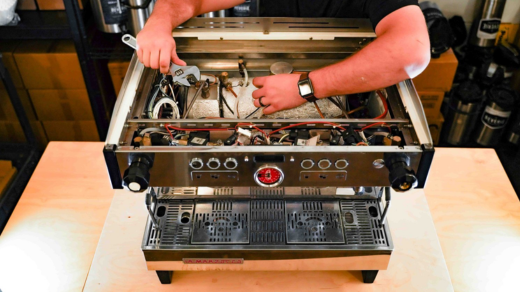
    You need someone who doesn’t just dabble in appliances—you want a specialist. Someone who understands the difference between a Jura and a Breville, or knows how to troubleshoot a pressure gauge on a La Marzocco like they’ve done it a hundred times (because they have).

    Here’s what a solid espresso machine repair technician should offer:

    • Brand-specific expertise – Not just general appliance repair knowledge.
    • Access to quality parts – OEM parts matter. No janky generic fixes here.
    • Thorough diagnostics – Not just plugging it in and guessing.
    • Upfront pricing – So you know what to expect before the repairs begin.
    • Warranty on labor and parts – Always ask.

    Bonus points if they give you cleaning tips and tell you how to avoid the issue next time. A good repair tech doesn’t just fix the machine—they help you take better care of it going forward.


    Is It Worth Repairing?

    Espresso machines can be pricey, so repair often makes more sense than replacing—especially if yours is a mid-to-high-end model or less than ten years old.

    Here’s a general guideline:

    • Repair if…
      Your machine cost over $500, it’s your first major issue, and you still love using it.
    • Replace if…
      It’s a cheap machine ($100–$300), has recurring problems, or repairs cost over half of what a new model would.

    But remember: espresso machines aren’t all about price. Some have sentimental value. Some are just built better. It’s okay to fix something just because you like it—no judgment here.


    Maintenance Tips to Prevent the Next Breakdown

    Most espresso machine problems don’t happen overnight. They’re slow, creeping issues caused by a little neglect here, a shortcut there. Here’s how to keep yours happy:

    • Descale regularly – Especially if you live in a hard water area.
    • Backflush if your machine requires it – A clean group head = better pressure.
    • Wipe down the steam wand after every use – Prevents milk buildup and bacteria.
    • Replace seals and gaskets every 12–18 months.
    • Turn it off when not in use – It reduces wear on internal components.

    Just a few habits can add years to your machine’s life and keep your shots consistent.


    Final Sip: You Deserve a Good Espresso—and a Working Machine

    Look, nobody likes dealing with appliance problems—especially when the appliance in question is the one responsible for kickstarting your day. But a broken machine doesn’t have to ruin your coffee ritual forever.

    With a little know-how (and the right pro), most espresso machine issues are fixable. So don’t give up. Whether it’s a minor fix or a full overhaul, espresso machine repair, espresso machine repair is your path back to that perfect crema and that sweet, smooth first sip.

    Because life is just better when the espresso flows.

  • Clear Water, Clear Mind: Why More NJ Residents Are Upgrading Their Water Treatment at Home

    Clear Water, Clear Mind: Why More NJ Residents Are Upgrading Their Water Treatment at Home

    Water. It’s easy to take for granted—until something doesn’t feel quite right. Maybe your tap water tastes a little off. Maybe your shower leaves your skin dry and itchy. Or maybe you’ve noticed hard water stains on your fixtures, even though you’re cleaning regularly. If you’re living in cities like Newark, Jersey City, or Princeton, you’re not imagining things. Water quality varies across New Jersey, and the solution might be simpler than you think.

    Whether you’re dealing with aging city infrastructure, seasonal water changes, or just want better-tasting water for your morning coffee, investing in a home treatment solution can make a huge difference. Let’s dig into what’s going on with water quality in these three New Jersey cities—and what you can do about it.


    Newark’s Urban Challenge: Big City, Big Water Needs

    Newark is one of New Jersey’s oldest and largest cities. With that history comes charm, culture, and—let’s be honest—an aging water system. In recent years, headlines have popped up about elevated lead levels, older lead service lines, and sediment from corroded pipes. While the city has made major investments in replacing those lines, concerns still linger for homeowners, landlords, and families who just want safe, dependable water.

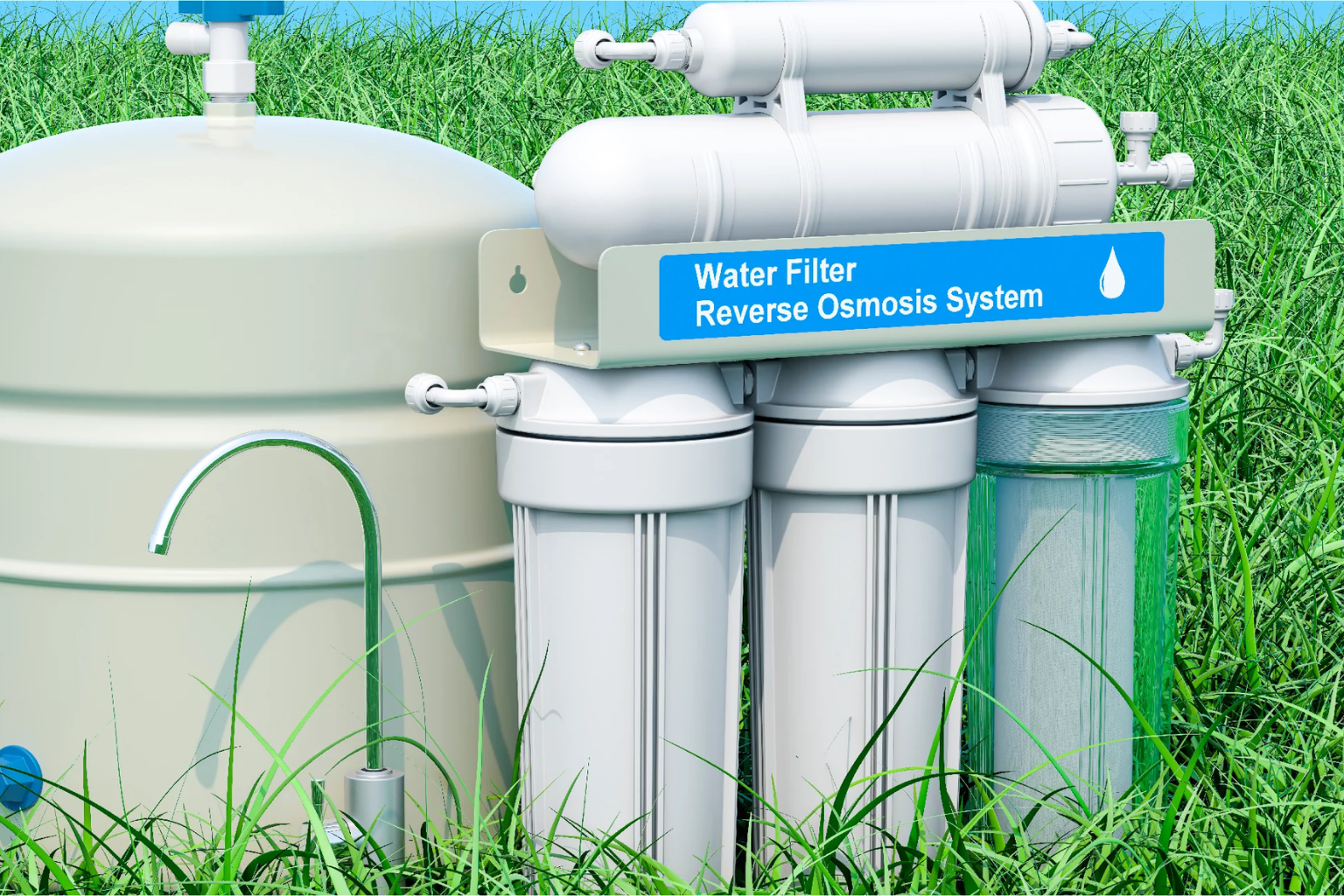
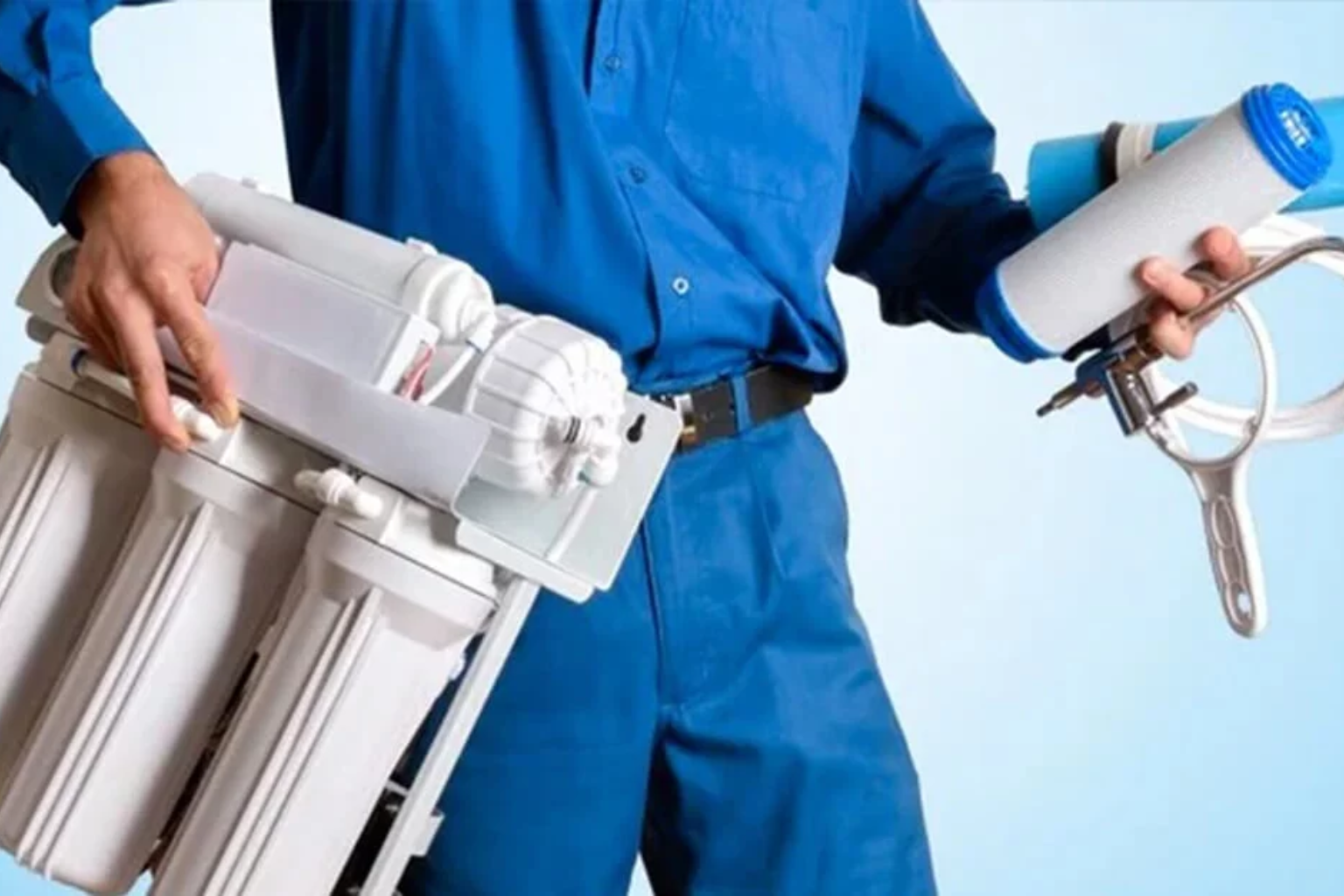
    Enter: water treatment systems in Newark. These systems act as a second line of defense—bringing peace of mind straight into your home. From simple under-sink filters to advanced reverse osmosis systems and whole-home filtration setups, these units are designed to catch what the city might miss.

    Imagine drinking a glass of water without wondering what’s in it. Or knowing your kids are bathing in clean, conditioned water. That’s what these systems offer—not just filtration, but freedom.


    Jersey City: Growing Fast, But Is Your Water Keeping Up?

    Jersey City is booming. Between gleaming high-rises, trendy cafes, and an influx of new residents, the demand on city services has never been higher—including its water systems. Though Jersey City’s water is regularly tested and treated, many locals still report issues with taste, hardness, or lingering chlorine smells.

    And if you’re living in an older building? That adds another layer. Aging plumbing can leach metals or harbor sediment, even if the water leaving the treatment plant is perfectly clean. That’s where water treatment services in Jersey City step in.

    These services usually start with a simple home water test. From there, experts recommend targeted solutions—like softeners to combat hard water, carbon filters to remove chlorine, or sediment filters to keep grit out of your pipes. If you’re a renter, don’t worry—many solutions are non-permanent and apartment-friendly.

    It’s about taking control of your water, regardless of what floor you live on.


    Princeton’s Suburban Serenity Meets Smart Home Upgrades

    Now let’s head south to Princeton, where quiet neighborhoods, tree-lined streets, and academic charm meet some surprisingly unique water quirks. Though the area isn’t known for industrial contamination or lead concerns, many homes in Princeton rely on private wells—or pull water from local municipal sources that can vary seasonally in quality and mineral content.

    This leads to a different kind of frustration. Water that’s technically “safe,” but smells funky, tastes flat, or leaves your glassware looking spotty no matter how well you rinse.

    For these homeowners, home water treatment in Princeton has become a subtle upgrade with big impact. Systems like whole-house UV filtration (to kill bacteria), neutralizers (for acidic water), or under-counter reverse osmosis units are increasingly common—not just for health reasons, but for quality-of-life ones.

    Plus, Princeton homeowners tend to think long-term. Clean water systems protect appliances, extend the life of plumbing, and boost property value. That’s what we call smart living.


    Why Bother? Because Your Water Affects Everything

    Let’s be real: it’s easy to ignore water issues. Until the dishwasher starts acting up. Or your skin flares up. Or your coffee just never tastes right. The truth is, water affects almost every corner of your home—from your morning shower to your laundry cycle.

    It also affects your peace of mind. Knowing your water is filtered, softened, and free from whatever might be lingering in old pipes? That’s a kind of everyday comfort you can actually feel.

    And while bottled water might seem like an easy workaround, it doesn’t fix what you’re showering in. Or cooking with. Or giving your pets. It’s a Band-Aid—when what you need is a full solution.


    What’s the First Step?

    Testing. Always testing. A basic water test can tell you if your water is hard, acidic, chlorinated, or laced with trace metals. From there, everything gets easier. You’ll know whether you need a filter, a softener, a UV light—or just a simple pitcher system.

    You don’t have to go full water lab scientist here. Most local water treatment companies offer affordable (or even free) tests. And once you know what’s going on, you can choose a system that fits your lifestyle, budget, and space.


    Wrapping Up: Treat Your Water Like It Matters—Because It Does

    Water isn’t just “wet stuff” that comes out of your faucet. It’s in your tea, your soup, your baby’s formula, your shower steam. It’s part of your home’s ecosystem. So when it’s not quite right, it quietly impacts everything.

    Whether you’re investing in water treatment systems in Newark, exploring water treatment services in Jersey City, or installing home water treatment in Princeton, one thing’s clear: the more you understand your water, the more empowered you are to improve it.

    And once your water’s clean, soft, and taste-free (in the best way), you’ll wonder how you ever lived without it.

    Because good water isn’t just about hydration—it’s about living better, from the first drop to the last rinse.