Blog

  • Redefining Workplace Diversity: Benefits and Strategies for Inclusion

    Redefining Workplace Diversity: Benefits and Strategies for Inclusion

    Workplace diversity has evolved from a buzzword to a fundamental principle that drives innovation, creativity, and success. Beyond merely representing different genders, races, and backgrounds, diversity encompasses a range of perspectives, experiences, and identities that enrich the work environment and contribute to a thriving organizational culture.

    The benefits of workplace diversity are extensive and well-documented. Diverse teams bring a wider array of viewpoints to the table, fostering creative problem-solving and innovative thinking. Employees from different backgrounds bring unique skills and approaches that can lead to novel solutions and improved decision-making.

    Moreover, diversity and inclusion enhance employee engagement and satisfaction. When employees feel valued and respected for their individual contributions, they’re more likely to be motivated, loyal, and committed to their work. A diverse and inclusive workplace also attracts top talent, as individuals seek environments where they can grow, collaborate, and make a meaningful impact.

    Creating a diverse and inclusive workplace requires intentional efforts and strategies. Here are some key steps organizations can take:

    Leadership Commitment: Diversity and inclusion must be championed from the top. Leadership commitment sets the tone for the entire organization and sends a clear message that diversity is a priority.

    Inclusive Hiring Practices: Organizations should examine their recruitment and hiring processes to eliminate biases and ensure fair representation of diverse candidates. Implementing blind resume reviews and diverse interview panels can help mitigate unconscious bias.

    Training and Education: Providing diversity and inclusion training for employees and leadership can raise awareness about biases, stereotypes, and the importance of fostering an inclusive culture.

    Employee Resource Groups: Establishing employee resource groups (ERGs) for different affinity groups—such as LGBTQ+ employees, women, and people of color—provides a platform for sharing experiences, networking, and influencing positive change.

    Flexible Policies: Flexible work arrangements and family-friendly policies accommodate the diverse needs of employees and promote a healthy work-life balance.

    Diverse Leadership: Promoting diverse leaders to influential positions sends a powerful message about the organization’s commitment to inclusion.

    Open Communication: Encouraging open dialogue about diversity and inclusion allows employees to share their experiences, offer suggestions, and contribute to a culture of respect and understanding.

    Measurement and Accountability: Regularly measuring diversity metrics and setting goals can help track progress and hold the organization accountable for its diversity initiatives.

    In conclusion, workplace diversity is no longer a checkbox—it’s a fundamental driver of success in today’s globalized world. By embracing diversity and fostering an inclusive culture, organizations can unlock the full potential of their employees, drive innovation, and create a work environment where everyone can thrive.


  • The Role of Technology in Healthcare: Innovations and Challenges

    The Role of Technology in Healthcare: Innovations and Challenges

    Technology’s impact on healthcare is nothing short of transformative. From electronic health records to telemedicine, innovative technologies are changing the way healthcare is delivered, experienced, and managed. These advancements hold the promise of improving patient outcomes, increasing efficiency, and ultimately enhancing the quality of care.

    Electronic Health Records (EHRs) are at the forefront of healthcare technology. These digital systems replace paper-based records, providing healthcare professionals with easy access to patient information, medical histories, test results, and treatment plans. EHRs streamline communication between different healthcare providers and enable more coordinated and personalized care.

    Telemedicine, propelled by advancements in communication technology, has revolutionized the way patients interact with healthcare professionals. Remote consultations, virtual diagnoses, and remote patient monitoring are all made possible by telemedicine platforms. This is especially valuable for patients in remote areas or those with mobility limitations.

    The use of wearable devices and health apps has become increasingly common. These devices track various health metrics, from heart rate and sleep patterns to physical activity and glucose levels. They empower individuals to take a proactive approach to their health and provide healthcare providers with valuable data for personalized care plans.

    Artificial intelligence (AI) is making its mark in healthcare by analyzing vast amounts of medical data to identify trends, patterns, and potential diagnoses. AI algorithms can help radiologists detect anomalies in medical images, predict patient outcomes, and even assist in drug discovery.

    Robot-assisted surgery is another area where technology is transforming healthcare. Surgical robots equipped with precision instruments enhance surgeons’ capabilities, allowing for minimally invasive procedures with greater precision and reduced recovery times.

    Despite the remarkable benefits, the integration of technology into healthcare also presents challenges. Data security and patient privacy are paramount concerns, especially as sensitive medical information becomes digitized. Striking a balance between convenience and data protection is crucial.

    Interoperability is another challenge, as different healthcare systems and devices must be able to communicate and share data seamlessly. This is particularly important for delivering coordinated care and avoiding duplication of tests and treatments.

    Healthcare professionals need to adapt to the changing landscape and acquire digital literacy skills to effectively use technology in their practice. Training and education play a key role in ensuring that healthcare providers can harness the full potential of these innovations.

    In conclusion, the role of technology in healthcare is reshaping the industry in profound ways. From EHRs to telemedicine to AI-driven diagnostics, innovative technologies are enhancing patient care, improving efficiency, and offering new possibilities for personalized medicine. While challenges like data security and interoperability must be addressed, the continued integration of technology holds the promise of a brighter and healthier future for patients and healthcare providers alike.

  • Robotic Revolution: AI-Powered Machines Changing Industries

    Robotic Revolution: AI-Powered Machines Changing Industries

    The rapid advancement of artificial intelligence (AI) and robotics is ushering in a new era of automation and innovation across industries. From manufacturing to healthcare, AI-powered machines are transforming the way tasks are performed, increasing efficiency, and reshaping the workforce. This “robotic revolution” holds the potential to drive significant economic growth and enhance the quality of human life.

    One of the key drivers of the robotic revolution is the increasing sophistication of AI algorithms. Machine learning and deep learning techniques enable robots to learn from data, adapt to different situations, and improve their performance over time. This allows robots to perform complex tasks that were previously considered exclusive to humans.

    In manufacturing, robots equipped with AI and sensors are revolutionizing production lines. These robots can perform repetitive tasks with high precision, speed, and consistency. This not only reduces errors but also frees up human workers to focus on more creative and strategic aspects of production.

    In the healthcare sector, robots are playing a crucial role in surgery, diagnostics, and patient care. Surgical robots can assist surgeons in performing intricate procedures with greater accuracy and minimal invasiveness. AI-powered diagnostic tools analyze medical images and patient data to detect diseases and conditions at earlier stages, improving patient outcomes.

    AI-driven robots are also making inroads into the transportation and logistics industry. Self-driving vehicles are becoming more sophisticated, with AI algorithms enabling them to navigate complex environments and adapt to changing road conditions. Additionally, drones equipped with AI are being used for tasks such as package delivery and monitoring of large areas.

    While the robotic revolution offers numerous benefits, it also raises important questions about the impact on the workforce. As automation becomes more prevalent, certain jobs may be at risk of displacement. However, this also opens up opportunities for reskilling and upskilling the workforce to take on roles that require human creativity, critical thinking, and emotional intelligence—skills that AI cannot replicate.

    Ethical considerations are another aspect of the robotic revolution. As robots become more integrated into daily life, questions about accountability, bias in AI algorithms, and the potential for job loss must be addressed. It’s crucial to establish guidelines and regulations that ensure the responsible and ethical development and deployment of AI-powered machines.

    In conclusion, the robotic revolution driven by AI-powered machines is reshaping industries and pushing the boundaries of what’s possible. From manufacturing to healthcare to transportation, robots are enhancing efficiency, precision, and innovation. As this revolution unfolds, it’s essential to navigate its challenges and opportunities with a focus on human well-being, responsible development, and the synergy between human and machine capabilities.

  • Software Testing Strategies: Ensuring Quality and Reliability

    Software Testing Strategies: Ensuring Quality and Reliability

    In the world of software development, ensuring the quality and reliability of applications is paramount. This is where software testing comes into play—a crucial process that involves systematically evaluating a software application to identify defects, bugs, and potential issues before it’s released to users. Effective software testing strategies are essential for delivering a seamless and user-friendly experience.

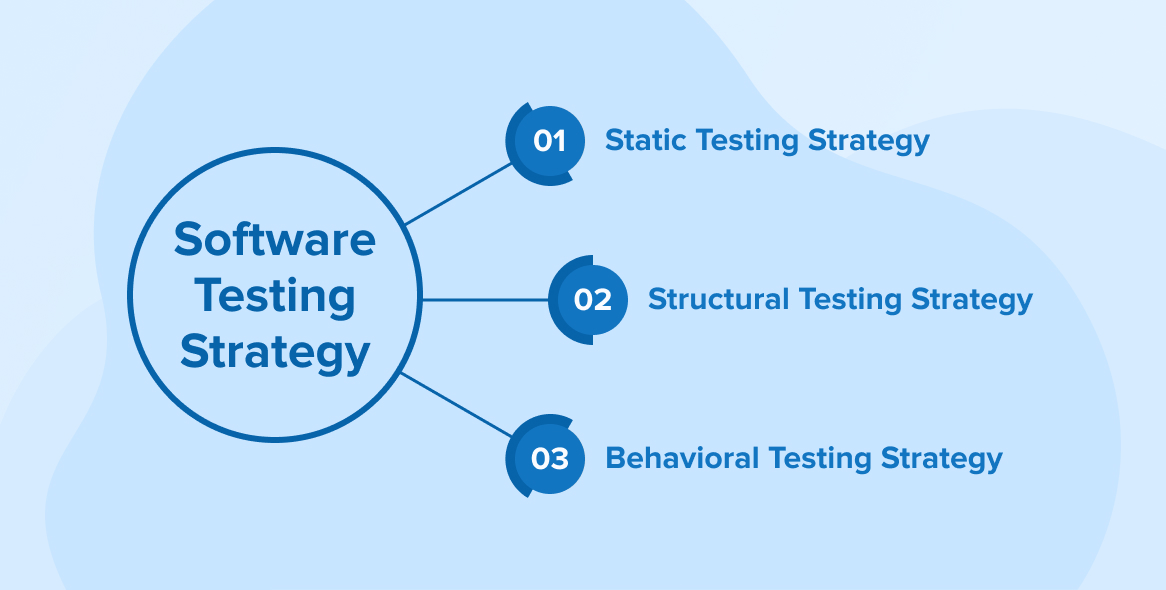
    Software testing encompasses various methodologies and techniques, each designed to address specific aspects of an application’s functionality. Some common testing strategies include:

    Unit Testing: This involves testing individual components or modules of the software to ensure they function correctly in isolation. Developers often write unit tests to verify the accuracy of their code before integrating it into the larger system.

    Integration Testing: Here, the focus shifts to testing how different components work together. Integration tests identify issues that may arise when various parts of the software interact, ensuring smooth communication and collaboration between modules.

    Functional Testing: This type of testing assesses the application’s functionality against the specified requirements. Test cases are designed to verify whether the software performs as intended and delivers the expected outcomes.

    Performance Testing: Performance testing evaluates how the application performs under different conditions, such as heavy user loads or high traffic. This ensures that the software can handle the demands of real-world usage without slowdowns or crashes.

    Security Testing: Security is a critical aspect of software development. Security testing identifies vulnerabilities and weaknesses in the software’s architecture, code, and data protection mechanisms.

    User Acceptance Testing (UAT): UAT involves testing the software with actual users to ensure it meets their needs and expectations. User feedback is valuable for making final refinements before the software’s release.

    Regression Testing: When changes are made to the software—such as bug fixes or feature additions—regression testing ensures that these changes do not inadvertently introduce new issues or disrupt existing functionality.

    Automated Testing: Automated testing involves using scripts and tools to automate the execution of test cases. This speeds up the testing process and helps catch issues early in the development cycle.

    Exploratory Testing: This involves testers exploring the application without a predefined script, allowing them to identify unexpected bugs or usability issues.

    Effective software testing requires a combination of manual and automated approaches. It’s essential for development teams to create a comprehensive testing plan that covers different aspects of the software’s functionality, performance, and security. Testing should be an iterative process, with feedback and improvements integrated throughout the development lifecycle.

    In conclusion, software testing is a critical phase in the development process that ensures the quality, reliability, and performance of applications. With a well-defined testing strategy that covers various methodologies, developers can identify and address issues before they reach users, delivering software that meets or exceeds user expectations.

  • Blockchain Technology: Beyond Cryptocurrencies in Software

    Blockchain Technology: Beyond Cryptocurrencies in Software

    Blockchain technology burst onto the scene with the rise of cryptocurrencies like Bitcoin, but its potential extends far beyond the realm of digital money. At its core, blockchain is a decentralized and transparent digital ledger that securely records transactions. This unique architecture has the potential to revolutionize various industries beyond finance, including supply chain management, healthcare, and even digital rights management.

    One of the key features of blockchain is its immutability. Once a transaction is recorded on the blockchain, it becomes a permanent part of the ledger and cannot be altered without consensus from the network participants. This makes blockchain a powerful tool for ensuring transparency and preventing fraud.

    In the supply chain industry, blockchain can be used to trace the journey of products from their origin to the hands of consumers. This not only enhances transparency but also enables consumers to verify the authenticity and ethical sourcing of products. For example, a diamond’s journey from the mine to the jewelry store can be tracked on a blockchain, ensuring that it’s conflict-free and ethically sourced.

    Healthcare is another sector that stands to benefit from blockchain technology. Patient records, medical histories, and treatment plans can be securely stored on a blockchain, giving patients greater control over their data and enabling healthcare providers to access accurate and up-to-date information. Interoperability between different healthcare systems becomes easier, reducing errors and improving patient care.

    Digital rights management is yet another area where blockchain can make a significant impact. Musicians, artists, and content creators can use blockchain to manage their intellectual property rights and receive fair compensation for their work. Smart contracts, self-executing agreements built on blockchain, can automate royalty payments and ensure that creators are fairly rewarded for their contributions.

    Despite its potential, blockchain technology is not without challenges. Scalability, energy consumption, and regulatory concerns are all factors that need to be addressed as blockchain continues to evolve and expand into different industries. However, ongoing research and innovation are paving the way for more efficient and sustainable blockchain solutions.

    In conclusion, blockchain technology is a versatile innovation that extends beyond cryptocurrencies. Its decentralized and transparent nature has the potential to transform industries such as supply chain management, healthcare, and digital rights management. As the technology matures and overcomes its challenges, we can expect to see even more creative applications that revolutionize the way we interact with digital systems and data.

  • Digital Detox: Unplugging and Reconnecting with Real Life

    Digital Detox: Unplugging and Reconnecting with Real Life

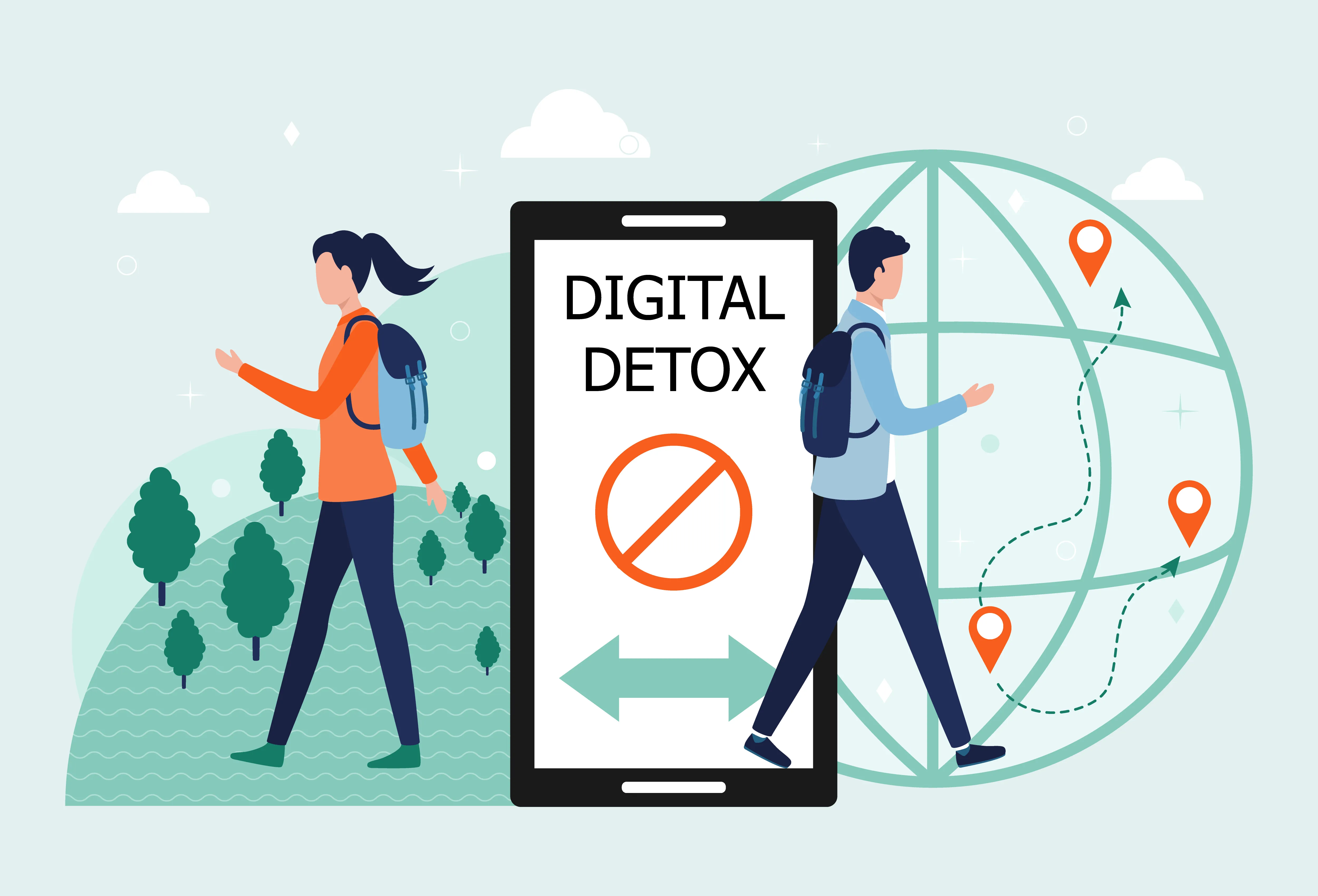
    In today’s hyper-connected world, our lives are intertwined with digital devices. While technology has brought immense convenience and connectivity, it has also led to a phenomenon known as “digital overload.” The constant barrage of notifications, social media updates, and online demands can take a toll on our mental and emotional well-being. This is where the concept of a “digital detox” comes into play—a deliberate and temporary break from screens to reconnect with the real world.

    A digital detox involves stepping away from digital devices such as smartphones, tablets, laptops, and even social media platforms. It’s about taking a breather from the virtual realm and immersing oneself in offline activities that promote relaxation, creativity, and human connections.

    The benefits of a digital detox are numerous. Firstly, it allows us to reclaim our time and attention. When we’re not constantly glued to screens, we have the freedom to focus on activities that truly matter to us, whether it’s spending quality time with loved ones, pursuing hobbies, or simply taking a leisurely walk in nature.

    Secondly, a digital detox can significantly improve our mental health. Studies have shown that excessive screen time is associated with feelings of anxiety, stress, and depression. By disconnecting from the digital world, we can reduce mental clutter, improve sleep quality, and experience a sense of calm that’s often hard to find in the midst of a constant stream of notifications.

    Additionally, a digital detox encourages face-to-face interactions. In an age where social media can sometimes lead to shallow connections, spending time with friends and family in person fosters deeper and more meaningful relationships. Engaging in real conversations, sharing experiences, and making eye contact all contribute to a sense of genuine connection.

    Embracing a digital detox doesn’t mean completely shunning technology forever. Instead, it’s about finding a healthy balance between the digital and physical worlds. Setting boundaries, designating tech-free zones, and scheduling regular breaks from screens can all contribute to a more mindful and intentional use of technology.

    In conclusion, a digital detox is a valuable practice that allows us to unplug, recharge, and reconnect with the real world. By taking intentional breaks from screens, we can improve our mental and emotional well-being, nurture meaningful relationships, and rediscover the joys of offline activities. In a world that’s constantly buzzing with notifications, a digital detox offers a welcome respite and a chance to regain control over our time and attention.

  • Personal Style Evolution: Building Confidence Through Fashion

    Personal Style Evolution: Building Confidence Through Fashion

    Fashion is not merely about clothing; it’s a form of self-expression that evolves over time, reflecting changes in one’s personality, experiences, and lifestyle. Your personal style is a journey that goes beyond trends and popular brands—it’s about discovering what makes you feel confident and authentic.

    Our personal style often begins to take shape during our teenage years. We’re influenced by peers, media, and societal norms as we try to fit in or stand out. As we grow older, we start to experiment with different looks, realizing what resonates with us and what doesn’t. This process of trial and error is essential for honing our style and finding what truly suits our personality.

    Personal style is more than just wearing fashionable clothes; it’s about expressing who we are. Whether you lean towards minimalist chic, bohemian vibes, or urban streetwear, your clothing choices send a message to the world about your values and tastes. As you align your wardrobe with your inner self, you’ll likely notice a boost in confidence and self-assuredness.

    The evolution of personal style is closely tied to life experiences. A new job, a change in relationship status, or a relocation to a different city can all influence how we present ourselves. These shifts provide opportunities to reevaluate our clothing choices and explore new facets of our identity.

    In recent years, there’s been a growing emphasis on sustainable and ethical fashion. Many individuals are now incorporating their values into their style choices by supporting brands that prioritize environmental and social responsibility. This shift reflects a broader trend towards conscious consumerism and a desire to make a positive impact through fashion.

    Building confidence through fashion isn’t limited to a specific age or gender. It’s a continuous process that evolves as we do. As we embrace our uniqueness and become more attuned to our inner voice, our personal style becomes a reflection of our journey. And with the rise of social media and fashion blogs, we now have more platforms than ever to share our style evolution and inspire others to do the same.

    In conclusion, personal style evolution is a powerful journey of self-discovery and self-expression. It’s a process that involves trial and error, adapting to life changes, and aligning our clothing choices with our inner selves. By embracing our uniqueness and confidently showcasing it through fashion, we can inspire others and create a world where individuality is celebrated.

  • From Couch Co-op to Online Multiplayer: Social Dynamics in Gaming

    From Couch Co-op to Online Multiplayer: Social Dynamics in Gaming

    Gaming has come a long way from being a solitary activity to a highly social and interactive experience. The transition from couch co-op (cooperative gameplay with friends on the same console) to online multiplayer has transformed not only how games are played but also how we connect and socialize with others.

    Couch co-op was the norm in the early days of gaming. Friends would gather around a single television, each holding a controller, to embark on adventures together. This form of multiplayer gaming fostered in-person interactions, communication, and camaraderie. Players had to communicate face-to-face, strategize in real-time, and share the same physical space.

    With the advent of online multiplayer, the dynamics of gaming changed dramatically. Players could now connect with friends and strangers from around the world, transcending geographical barriers. This shift opened up new possibilities for cooperative and competitive gameplay, enabling players to form virtual communities based on shared interests and skills. The rise of voice chat and text communication platforms further enhanced the social aspect of online gaming.

    Online multiplayer games introduced a new layer of complexity to social dynamics. In cooperative games, players had to coordinate actions and strategies remotely, relying on clear communication to succeed. In competitive games, the thrill of facing off against human opponents added a level of unpredictability and challenge that AI-controlled opponents couldn’t replicate.

    However, online multiplayer gaming also presented challenges. Toxic behavior, harassment, and anonymity-fueled negativity became issues that game developers had to address. Ensuring a positive and inclusive gaming environment became a priority, leading to the implementation of reporting systems, moderation tools, and initiatives to promote respectful interactions.

    Despite these challenges, online gaming has created opportunities for people to build friendships and communities that span the globe. Players collaborate on quests, share tips, and even meet up in real life through online connections. Streaming platforms like Twitch have given rise to a new breed of gaming celebrities who entertain and connect with audiences while playing their favorite games.

    In conclusion, the evolution from couch co-op to online multiplayer has transformed gaming into a dynamic and social experience. It has connected players across borders, created new forms of communication, and allowed for the formation of diverse virtual communities. As technology continues to advance, we can anticipate even more innovative ways in which gaming will shape our social interactions and relationships.

  • Gaming Music and Soundtracks: How Audio Enhances the Experience

    Gaming Music and Soundtracks: How Audio Enhances the Experience

    When we think of gaming, the first elements that come to mind are often stunning visuals, gripping storytelling, and challenging gameplay. However, there’s one crucial aspect that often goes unnoticed but plays a significant role in enhancing the overall gaming experience: audio, specifically music and soundtracks.

    Gaming music and soundtracks have evolved from simple bleeps and bloops to fully orchestrated compositions that rival movie scores. These auditory elements contribute to the atmosphere, emotions, and immersion of the gaming world. Imagine playing a horror game without the eerie music that raises the tension, or a fantasy RPG without the majestic orchestral tunes that make you feel like you’re on a grand adventure.

    Audio in gaming serves several purposes. Firstly, it sets the tone and mood of the game. The music changes based on the situation—intense battles, serene exploration, or heart-pounding chase sequences. This not only engages players but also subconsciously guides their emotional responses. A melancholic melody during a sad scene can make players empathize with the characters, while a triumphant score during a victorious moment can boost players’ sense of accomplishment.

    Secondly, gaming soundtracks provide cues and information. Subtle audio cues can alert players to dangers, such as approaching enemies or hidden traps. These cues create a dynamic feedback loop that keeps players engaged and invested in the gameplay. Additionally, audio cues can serve as navigational aids, guiding players toward objectives or secrets.

    The interplay between audio and gameplay creates an immersive experience that pulls players deeper into the virtual world. Even games with minimalist graphics can evoke strong emotions and reactions through the clever use of sound. From the haunting melodies of “Silent Hill” to the iconic themes of “The Legend of Zelda,” gaming soundtracks have become an integral part of gaming culture.

    In recent years, the demand for high-quality gaming audio has led to collaborations between game developers and renowned composers. These collaborations aim to create memorable soundtracks that resonate with players long after they’ve put down the controller. Some games even offer dynamic soundtracks that adapt to the player’s actions, ensuring a unique experience for every individual.

    In conclusion, gaming music and soundtracks play a crucial role in enhancing the gaming experience. They contribute to the emotional depth, atmosphere, and immersion of the virtual worlds we explore. As technology advances, we can expect even more innovative audio techniques that will continue to captivate and engage players in ways we never thought possible.

  • The Exciting World of Sattamatka and Indian Matka

    The Exciting World of Sattamatka and Indian Matka

    If you’re intrigued by the world of gambling and chance, Sattamatka is a game that might catch your fancy. Originating in India, it has garnered a significant following over the years.

    Understanding Satta Matka

    Satta Matka is essentially a form of lottery that originated before the Indian Independence era. Initially, it involved betting on the opening and closing rates of cotton transmitted from the New York Cotton Exchange to the Bombay Cotton Exchange.

    The Evolution of Sattamatka

    Over time, Sattamatka evolved to accommodate various markets and games, becoming immensely popular among enthusiasts. Its popularity has only soared with the advent of online platforms, making it accessible to a wider audience.

    What Sets Indian Matka Apart?

    Indian Matka holds a unique appeal due to its blend of strategy, luck, and tradition. It’s not merely a game but a cultural phenomenon deeply ingrained in the fabric of Indian society.

    Exploring Madhur Matka

    Among the plethora of Sattamatka variations, Madhur matka stands out with its distinct rules and gameplay. It has its own loyal following within the vast community of Matka enthusiasts.

    The Rise of Indiansatta

    Indiansatta has emerged as a prominent platform for Matka enthusiasts to indulge in their passion. With its user-friendly interface and wide range of games, it has become a go-to destination for players.

    Cracking the Code: Final Ank

    In the world of Sattamatka, Final Ank holds significant importance. It’s the ultimate result that players eagerly await, as it determines their fortunes in the game.

    Unveiling Tara Matka

    Tara Matka is another intriguing variant of the game, known for its thrilling gameplay and unpredictability. It keeps players on their toes with its ever-changing dynamics.

    The Allure of Matka 420

    Matka 420 adds a twist to the traditional game, making it even more exhilarating for players. Its unconventional rules and high stakes attract risk-takers seeking an adrenaline rush.

    Shining Bright: Golden Matka

    As the name suggests, Golden Matka promises riches and rewards for those brave enough to try their luck. It’s where dreams are made and fortunes are won.

    Tips and Strategies for Sattamatka Success

    While Sattamatka is largely a game of chance, there are strategies and tips that players can employ to improve their odds. It’s essential to approach the game with caution and mindfulness.

    The Legality of Sattamatka

    Despite its popularity, Sattamatka operates in a legal grey area in India. While some states have banned it outright, others tolerate it to varying degrees, contributing to its ambiguous legal status.

    Responsible Gaming Practices

    Like any form of gambling, it’s crucial to practice responsible gaming when participating in Sattamatka. Setting limits, knowing when to stop, and seeking help if needed are essential aspects of responsible gaming.

    The Future of Sattamatka

    With the advent of technology and the proliferation of online platforms like Indiansatta, the future of Sattamatka seems bright. It’s likely to continue evolving and attracting new generations of players.

    Community and Camaraderie

    Beyond the thrill of the game, Sattamatka fosters a sense of community and camaraderie among its players. Whether online or offline, enthusiasts come together to share tips, stories, and experiences.

    Challenges and Controversies

    Despite its popularity, Sattamatka faces its fair share of challenges and controversies. From legal issues to concerns about addiction, it’s a topic that elicits diverse opinions and debates.

    The Global Appeal of Sattamatka

    While Sattamatka has its roots in India, its appeal transcends borders, attracting players from around the world. Its blend of strategy, chance, and tradition resonates with people of diverse backgrounds.

    Educational Opportunities

    Believe it or not, Sattamatka can also present educational opportunities. Its mathematical underpinnings provide a practical application of probability and statistics, making it a unique learning experience for enthusiasts.

    Media and Pop Culture References

    Over the years, Sattamatka has found its way into various forms of media and pop culture. From movies to literature, its influence is undeniable, further solidifying its place in Indian society.

    Impact on Society

    Beyond its entertainment value, Sattamatka has had a significant impact on Indian society, shaping attitudes towards gambling and chance. It’s a reflection of the complex relationship between tradition and modernity.

    Embracing the Thrill

    In conclusion, Sattamatka and its variants like Indian Matka and Indiansatta offer a unique blend of excitement, strategy, and tradition. Whether you’re a seasoned player or a curious newcomer, the thrill of the game awaits. So, why not roll the dice and see where luck takes you?