There’s something oddly comforting about turning on the tap and not thinking twice about it. No hesitation, no weird smell, no chalky residue left behind on your glass. Just… water. Clean, simple, reliable. Funny thing is, most of us don’t realize how much water quality shapes our daily life until something feels off. Maybe it’s the stubborn white marks on your bathroom tiles, or the way your hair just won’t cooperate no matter what shampoo you try.
Water isn’t just a background utility. It’s part of your routine in ways you don’t always notice—until you do.
Why Your Water Might Be Working Against You
Let’s be honest, not all water is created equal. Depending on where you live, your supply might carry minerals like calcium and magnesium, or even traces of chlorine and other chemicals. These aren’t always dangerous, but they can be annoying. Over time, they build up. Pipes get clogged. Appliances lose efficiency. Skin feels dry, laundry looks dull.
You might not connect the dots at first. Most people don’t. They blame the soap, the detergent, the weather. But often, it’s the water quietly doing its thing in the background.
And that’s where solutions start to come into the picture—not as luxury upgrades, but as practical fixes.
A Closer Look at Water Softeners
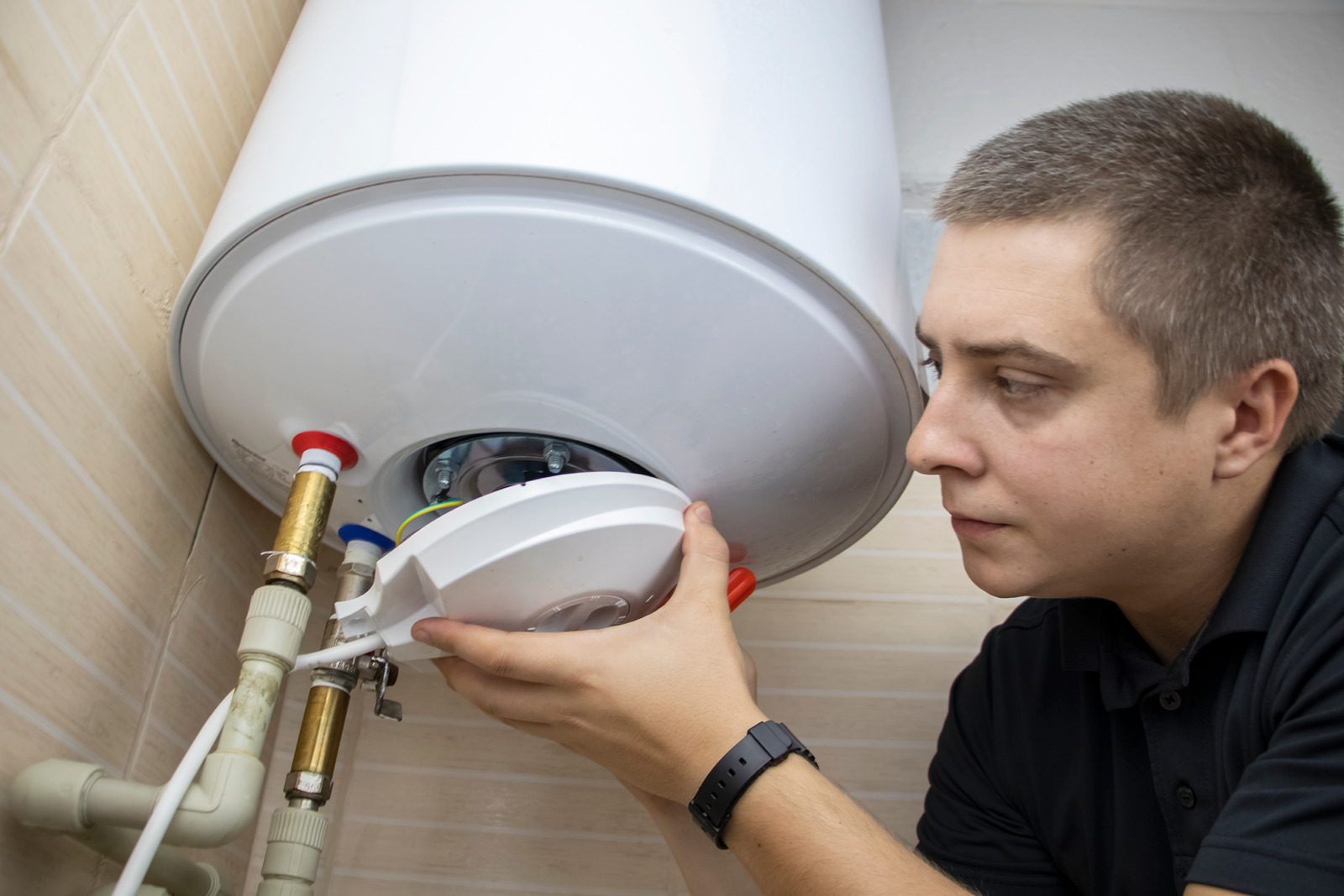
If you’ve ever dealt with hard water, you already know the struggle. That stubborn scale on faucets, the film on dishes, the way your geyser or washing machine seems to age faster than it should. It’s not just frustrating—it’s expensive in the long run.
That’s why many homeowners eventually turn to water softeners. These systems work by removing excess minerals, especially calcium and magnesium, that cause hardness. The result? Water that behaves better. Soap lathers properly. Skin feels softer. Even your appliances get a bit of a break.
But here’s the thing—installing one isn’t some magic fix for everything. It solves a specific problem. If your main concern is hardness, it’s a solid choice. If not, you might need something more comprehensive.
The Bigger Picture: Filtering Your Entire Home
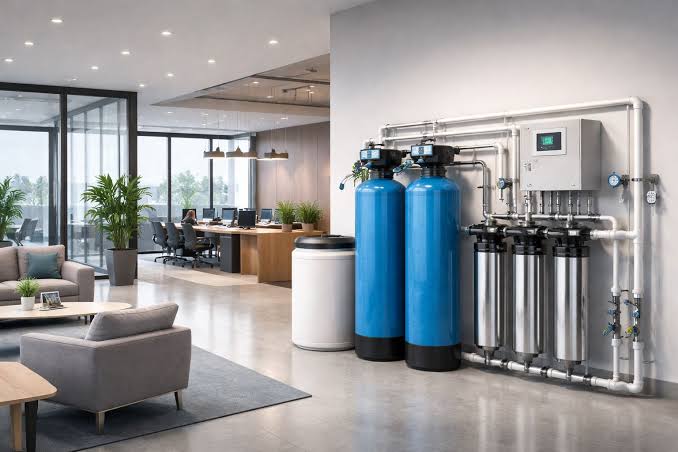
Sometimes, the issue goes beyond hardness. Maybe the water smells slightly off. Maybe you’re worried about contaminants you can’t see or taste. That’s when people start exploring whole home water filtration systems.
Unlike point-of-use filters (like the ones attached to a kitchen tap), these systems treat water at the entry point. So every tap, every shower, every appliance gets filtered water. It’s kind of like upgrading your entire plumbing system without actually replacing it.
There’s a noticeable difference, too. Not dramatic in a flashy way—but subtle. More consistent. Water feels lighter, cleaner. You stop second-guessing whether it’s okay to drink from the tap or wash your vegetables under running water.
It’s one of those upgrades you don’t fully appreciate until you’ve lived with it for a while. Then going back feels… odd.
What About Drinking Water?
Now here’s where things get a bit more personal. Because no matter how good your overall water quality is, drinking water often requires a different level of purity.
That’s where reverse osmosis systems come in. You’ve probably heard of them, maybe even seen one installed under a sink. They use a semi-permeable membrane to remove a wide range of impurities—things like heavy metals, dissolved salts, even certain bacteria.
The taste difference alone can be enough to convince people. Water feels crisper, cleaner, almost bottled—but without the plastic waste or recurring cost.
Still, it’s not for everyone. Some folks find the system a bit too thorough, removing minerals they actually want in their water. Others don’t like the slower flow rate. It’s a trade-off, like most things.
Choosing What Actually Fits Your Life
Here’s the part that gets overlooked a lot: there’s no universal “best” solution. What works for one household might not make sense for another.
A family dealing with extremely hard water might prioritize softening. Someone concerned about chlorine or sediment might lean toward full-home filtration. And if safe drinking water is the top concern, reverse osmosis becomes the obvious pick.
Sometimes, people combine systems. A softener for the whole house, plus a dedicated filter for drinking water. It sounds like a lot, but it doesn’t have to be overwhelming. Once you understand your specific water issues, the decision becomes clearer.
Testing your water is usually the first step. Not guessing. Not assuming. Just knowing.
The Quiet Benefits You Don’t Expect
It’s easy to focus on the obvious perks—better taste, cleaner dishes, softer skin. But there are smaller, less talked-about benefits that creep in over time.
Like using less soap because it actually works properly. Or noticing your clothes last longer. Even your morning shower feels a bit more refreshing, though you can’t quite explain why.
There’s also a kind of mental comfort. Knowing your water is taken care of. It’s one less thing to worry about in a world that already throws enough at you.
Final Thoughts: It’s Not Just About Water
At the end of the day, improving your water isn’t just about fixing a problem. It’s about making daily life a little smoother, a little more predictable.
You wake up, you make tea, you wash your face—these are small, routine moments. But when the water behind them is clean, balanced, and reliable, everything feels just a bit easier.
And maybe that’s the real value here. Not the technology, not the systems, not even the cost savings. Just the quiet satisfaction of something working the way it should.
No drama. No second thoughts. Just water, the way it was meant to be.