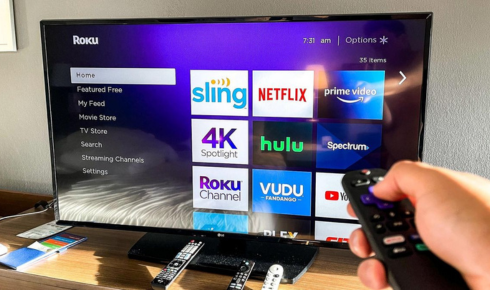
Streaming your favorite shows and live sports on Peacock while traveling or living on a campus can be a frustrating experience. Hotel and college Wi-Fi networks are typically “captive portals”—restricted networks that require you to authenticate via a web browser before granting full internet access. These networks often block or interfere with streaming services and device activation processes. Activating Peacock, which involves linking your account to a device (like a smart TV, gaming console, or streaming stick) by visiting peacocktv.com/activate, becomes a unique challenge in these environments.
This 1500-word guide provides a detailed, step-by-step approach to successfully activating and streaming Peacock on restricted networks, explaining the underlying technology and offering multiple solutions.
You May Also Like- Peacock : Start Streaming Today with This Simple Login Guide Visit : Peacocktv.com/tv
Understanding the Problem: Why Activation Fails
Before diving into solutions, it’s crucial to understand the technical barriers:
- Device Isolation & Captive Portals: On most public networks, after you connect to the Wi-Fi, your browser is redirected to a login page (the captive portal) where you must accept terms or enter a room number/student credentials. Until this is done, your device has no real internet access. Even after login, these networks often place devices in a “client-isolated” state, preventing them from communicating with each other—a security measure that can strangely also block communication with essential streaming service authentication servers.
- DNS and URL Filtering: The network may use restrictive Domain Name System (DNS) servers that block or fail to resolve the addresses needed for Peacock’s activation servers (peacocktv.com/activate) or its content delivery networks (CDNs).
- Port Blocking: Streaming services use specific network ports. To conserve bandwidth or enforce policies, IT administrators may block these ports, preventing the app from “phoning home.”
- No “Bring Your Own Device” (BYOD) Support: Some enterprise-grade networks (common in colleges) require each device to be registered with its MAC address on the network. A game console or smart TV has no browser to complete this registration, making it impossible to reach the activation page.
Pre-Activation Checklist
Before you begin, ensure you have:
- An active Peacock Premium or Premium Plus subscription.
- Your Peacock account login credentials (email and password).
- The device you wish to activate (Smart TV, Roku, Fire Stick, Xbox, PlayStation, etc.).
- A secondary, internet-capable device: a smartphone, laptop, or tablet. This is your most important tool.
Method 1: The Smartphone Hotspot Bypass (Most Reliable Method)
This method uses your smartphone’s cellular data to handle the initial activation, then switches the streaming device back to the local Wi-Fi for bandwidth-intensive streaming.
Step-by-Step Process:
- Prepare Your Devices: Ensure your Peacock app is installed on the streaming device (TV, Roku, etc.). On your smartphone, ensure you have cellular data and can create a personal hotspot. Note: This will use a small amount of data (for activation only).
- Create a Personal Hotspot: On your smartphone, go to Settings > Personal Hotspot (or Mobile Hotspot) and turn it on. Set a secure password. (iPhone users: Ensure “Maximize Compatibility” is on if connecting non-Apple devices).
- Connect Streaming Device to Hotspot: On your smart TV or streaming device, go to Network Settings. Find your phone’s hotspot in the list of available Wi-Fi networks and connect to it using the password you set.
- Initiate Activation on the Big Screen: Open the Peacock app on your TV/device. It will display an activation code (e.g., a 6-character alphanumeric code) and instructions to visit peacocktv.com/activate.
- Use Your Phone to Complete Activation: On the same smartphone (still on cellular data, not its own hotspot), open a web browser. Navigate to peacocktv.com/activate. Log in to your Peacock account when prompted. Enter the exact activation code shown on your TV screen. Click “Continue” or “Activate.”
- Successful Link: Within 15-30 seconds, your TV screen should refresh, confirming activation and granting full access to your Peacock library.
- The Critical Switch-Back: Now, go back to the Network Settings on your streaming device. Disconnect from your phone’s hotspot and reconnect to the hotel or college Wi-Fi. You will likely need to open the device’s built-in browser (if available) to complete the captive portal login for this network. Some devices (like Roku) have a “Hotel and Dorm Connect” feature specifically for this. If not, proceed to Method 3.
- Resume Streaming: Once reconnected to the local Wi-Fi, reopen the Peacock app. Your activation is device-specific and persists, so you should now have full streaming access using the much faster local internet.
Method 2: The Laptop as a Bridge (For Tech-Savvy Users)
If your smartphone hotspot isn’t an option, you can use a Windows or macOS laptop with an Ethernet port and Wi-Fi capability as a network bridge.
- Connect Laptop to Wired/Wireless Internet: Connect your laptop to the hotel’s Ethernet port or its Wi-Fi, completing any necessary captive portal login on the laptop’s browser.
- Share the Connection via Wi-Fi:
- Windows: Go to Settings > Network & Internet > Mobile Hotspot. Turn it on, sharing your “Ethernet” or “Wi-Fi” connection over Wi-Fi. Set a network name and password.
- macOS: Go to System Preferences > Sharing. Select “Internet Sharing.” Share the connection from “Ethernet” or “Wi-Fi” to computers using “Wi-Fi.” Set up a network name and password in “Wi-Fi Options.”
- Connect and Activate: Connect your streaming device to this new laptop-broadcasted Wi-Fi network. Since the laptop has already authenticated with the captive portal, the streaming device now has a clean, portal-free internet connection. Follow the standard activation steps (get code on TV, enter on peacocktv.com/activate via laptop browser).
- Switch Back (Optional): After activation, you can reconnect the streaming device directly to the hotel/college Wi-Fi as described in Method 1, freeing your laptop.
You May Also Like- Peacock : Start Streaming Today with This Simple Login Guide Visit : Peacocktv.com/tv
Method 3: Handling the Captive Portal on a “Dumb” Device
Many streaming devices (Roku, Amazon Fire Stick, Apple TV, game consoles) have limited or no web browser, making captive portal logins impossible through normal means. Here’s how to bypass this:
- Spoof the MAC Address (Advanced): Every network device has a unique MAC address. Some networks authorize a device based on this address once it’s logged into the portal.
- Process: Use a laptop or phone to connect to the hotel Wi-Fi and complete the captive portal login. Then, find that device’s MAC address (in network settings). On your streaming device’s network setup, look for a “Clone MAC Address” or “Use Random MAC” option (not all have this). Enter the MAC address from the already-authenticated device. Reconnect the streaming device; the network may now recognize it as “approved.”
- Use the Device’s Built-In Portal Feature:
- Roku: Has a famous “Hotel and Dorm Connect” feature. When you try to connect to the secured Wi-Fi, it will display a message saying it needs to sign you in and provide an on-screen code. On a separate device, you go to roku.com/wifi, enter the code, and Roku will proxy the hotel’s login page to your phone/laptop for completion.
- Amazon Fire Stick: When connecting, if it detects a captive portal, it will often display a “Your network requires you to sign in” message with a button to “Open in Browser.” Selecting this may launch a minimal browser.
- Apple TV: Recent versions can often intercept and display captive portal pages directly on the TV screen.
- Gaming Consoles (Xbox, PlayStation): These have full-fledged web browsers. When connected to the Wi-Fi, try launching the browser; it should automatically redirect to the captive portal login page.
- Contact IT Support (For College Campuses): University IT departments often have a dedicated process for registering gaming consoles and media devices. Visit your college’s IT help desk website. There is frequently a form where you can submit your device’s MAC address (found in its network settings) for manual registration on the network. Once registered, the device will bypass the captive portal.
Method 4: Utilizing a Travel Router (The Ultimate Solution for Frequent Travelers)
A travel router (like models from GL.iNet, TP-Link, or HooToo) is a small, portable device designed to solve exactly this problem. It’s a worthwhile investment for frequent travelers.
- Setup: Connect the travel router to the hotel’s Wi-Fi or Ethernet port. Using a laptop or phone connected to the router’s own Wi-Fi network, complete the captive portal login once on the travel router’s admin interface.
- Connect All Your Devices: Your streaming device, phone, laptop, etc., all connect to the travel router’s private, secure Wi-Fi network. The hotel network only sees the travel router, not your individual devices.
- Activate and Stream: Your streaming device now has a stable, portal-free connection. Activate Peacock normally. All your devices benefit from a more secure, personal network.
Troubleshooting and Final Considerations
- Clear Cache/Data: If the Peacock app is malfunctioning after activation, try clearing its cache or data (in the device’s app settings), then force stop and reopen it.
- Check Subscription: Verify your Peacock subscription is active and paid on a separate device.
- DNS Settings: On devices where you can manually set DNS (like a laptop or travel router), try using a public DNS like Google DNS (8.8.8.8, 8.8.4.4) or Cloudflare DNS (1.1.1.1). This can bypass restrictive local DNS servers.
- VPN Caution: While a VPN can sometimes bypass network restrictions, Peacock’s licensing agreements are geo-restricted to the U.S. Using a VPN from within the U.S. might work, but connecting from abroad or using a non-U.S. server will likely trigger an error message from Peacock. Furthermore, some networks actively block VPN traffic.
You May Also Like- Peacock : Start Streaming Today with This Simple Login Guide Visit : Peacocktv.com/tv
Conclusion:
Activating Peacock on a hotel or college network is a solvable puzzle that requires understanding the network’s gatekeeping mechanisms. The Smartphone Hotspot Bypass (Method 1) is the most universally accessible and effective technique for the activation step. Successfully integrating your device into the local Wi-Fi for long-term streaming may then require employing device-specific captive portal tricks (Method 3) or, for the best ongoing experience, investing in a travel router (Method 4). By systematically applying these methods, you can transform a restricted public network into your personal streaming gateway, ensuring you never have to miss a moment of your Peacock content, no matter where you are.