In today’s hyper-competitive market, simply offering rewards points is no longer enough to keep customers engaged. Enter gamification—an innovative strategy that blends game mechanics with loyalty programs to enhance customer retention, engagement, and brand love. This article explores how gamified loyalty programs are transforming traditional models and how businesses can harness this trend to build deeper customer relationships.
The Evolution of Loyalty: From Punch Cards to Gamified Experiences
Loyalty programs have come a long way from simple paper punch cards. With the rise of digital platforms, companies have begun reimagining how rewards are offered. Loyalty gamification is the next step in this evolution, using elements like challenges, points, levels, badges, and leaderboards to motivate and engage customers on a deeper level.
Unlike static point systems, gamification brings an interactive and dynamic experience that makes earning rewards fun and addictive. It taps into basic human psychology—achievement, competition, and the desire for recognition—to create emotional connections with a brand.
What is a Gamified Loyalty Program?
A gamified loyalty program uses game mechanics in non-game environments to make participation more rewarding and enjoyable. Instead of just buying a product and collecting points, customers might complete missions (like sharing on social media, writing a review, or buying during a specific timeframe) to unlock exclusive rewards or advance to the next loyalty tier.
For example, Starbucks Rewards integrates challenges like “Buy any 3 drinks before Sunday to earn 50 bonus stars,” while Nike Training Club rewards app usage and workout completions with badges and perks. These models don’t just promote transactions—they encourage behaviors aligned with brand goals.
Key Benefits of Gamification in Loyalty Programs
- Increased Customer Engagement
Gamification turns passive buyers into active participants. When customers are emotionally engaged, they’re more likely to interact with your brand frequently and for longer durations. - Behavioral Reinforcement
Gamification helps brands influence user behavior—whether it’s buying more frequently, increasing basket size, or exploring more products. It creates a habit loop where users anticipate rewards for their actions. - Data Collection & Personalization
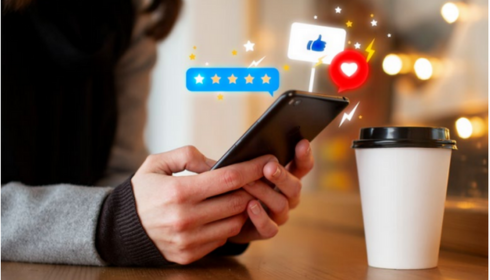
With increased interaction, businesses gather more data on customer behavior. This allows for more personalized offers, increasing the effectiveness of future campaigns. - Social Sharing & Virality
Game mechanics like badges or leaderboards often encourage social sharing, organically amplifying brand reach and bringing in new customers through referrals.
How to Build a Gamification Loyalty Strategy
- Understand Your Audience
Different customer segments respond to different motivators. Some may love competition (leaderboards), while others may be more drawn to exclusive access or recognition. - Set Clear Goals
What behaviors do you want to encourage? More purchases? More reviews? Design your game mechanics around these outcomes. - Keep it Simple
A complex system can confuse users. The rules, rewards, and pathways to success should be intuitive. - Provide Meaningful Rewards
Gamification only works if users care about the incentives. Whether it’s free products, early access, or branded merchandise, make it worth their while. - Test and Optimize
Track participation rates, drop-off points, and reward redemption. Use this data to continually improve your system.
Real-World Examples of Gamification Loyalty Done Right
- Duolingo: The language-learning app uses streaks, levels, and gems to keep users addicted to daily learning.
- Sephora Beauty Insider: Offers tiers with exclusive events, birthday gifts, and point multiplier days—gamifying beauty shopping.
- McDonald’s Monopoly: Blended instant-win rewards with the chance to collect and win big—keeping users coming back for more.
The Future of Loyalty is Playful
Gamification loyalty strategies are here to stay. As consumers grow more digitally savvy and brand-loyalty becomes harder to earn, gamified programs offer a fresh and effective way to differentiate and delight.
Implementing a gamification loyalty program isn’t just about points and badges—it’s about creating a customer journey that feels rewarding, motivating, and even fun. Done right, it turns your customers into lifelong brand advocates.
Conclusion
Loyalty gamification is more than just a marketing buzzword—it’s a proven strategy to increase retention, drive sales, and build emotional connections with your audience. Whether you’re a small business or an enterprise brand, integrating gamified loyalty strategies into your customer engagement plan can yield impressive results in both the short and long term.