Category: construction

  • What Is Included in a Remodeling Contractor’s Scope of Work in Huntsville AL?

    What Is Included in a Remodeling Contractor’s Scope of Work in Huntsville AL?

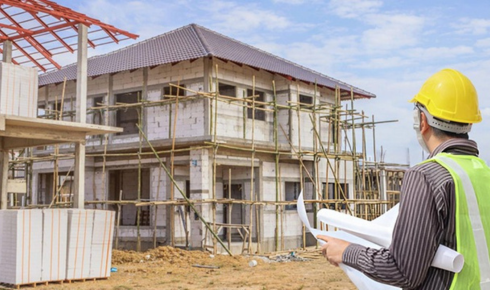
    A remodeling project becomes far easier to manage once you understand how much responsibility a contractor actually carries. Huntsville general contractors coordinate dozens of moving parts—from design work to the final walkthrough—to make sure the finished space matches the client’s vision. Anyone searching for remodeling near me or a general contractor in Huntsville AL benefits from knowing exactly what tasks fall under a remodeling contractor’s scope.

    Creating Detailed Design Plans That Outline All Remodeling Stages

    Design planning lays the foundation for the entire project. Remodeling contractors develop drawings, layout concepts, material selections, and project timelines that guide each phase of the build. These plans help organize expectations early, ensuring that structural changes, electrical needs, plumbing adjustments, and finish selections are clearly mapped out. The design plans also give Huntsville general contractors a reference point for coordinating trades. With a complete plan in hand, they can schedule crews, order materials, and reduce delays. The clearer the design, the smoother the remodel moves from one stage to the next.

    Handling Demolition Work and Preparing the Space for Construction

    Demolition is the first hands-on phase of remodeling, and it requires careful preparation. Remodeling contractors identify load-bearing components, hazardous materials, and plumbing or electrical runs before anything comes down. This ensures the tear-out happens safely and without damage to areas staying in place.

    Once demolition is complete, contractors transform the cleared space into a build-ready environment. Floors may be leveled, framing exposed for inspection, or temporary supports installed. General contractors near me use this stage to catch hidden issues and make sure the new construction starts on solid ground.

    Updating or Modifying Structural Framing When Required

    Many remodeling projects need adjustments to walls, ceilings, beams, or openings to accommodate the new layout. Remodeling contractors handle these structural changes under the guidance of engineering requirements. This includes widening doorways, adding support beams, removing unnecessary walls, or modifying attic or crawlspace framing. After structural changes are made, contractors verify that everything meets building standards before moving forward. Huntsville general contractors prioritize stability and safety, ensuring the updated framing can support the weight of finishes, appliances, cabinetry, and long-term daily use.

    Managing All Electrical Upgrades, Rewiring, and Fixture Installations

    Electrical systems often need updates during remodeling—whether for safety, modern appliances, better lighting, or added outlets. Remodeling contractors coordinate licensed electricians to perform wiring changes, panel upgrades, new lighting installation, or fixture replacements. They also ensure the electrical layout supports the room’s function, such as bathroom GFCI outlets or kitchen appliance circuits.

    Upgraded electrical work contributes to usability and comfort. Contractors check for outdated wiring, overloaded circuits, or missing grounding while the framing is exposed. This benefits anyone searching for home repair near me, because it guarantees the space operates safely once construction is complete.

    Completing Plumbing Reroutes, Replacements, and New Fixture Setups

    Kitchens, bathrooms, and laundry rooms often require plumbing changes. Remodeling contractors manage the rerouting of supply lines, installation of updated pipes, and placement of new sinks, tubs, or shower fixtures. They ensure the plumbing follows code and supports upgraded appliances or water-efficient fixtures.

    Once plumbing is routed properly, contractors pressure-test lines, confirm drainage slopes, and verify connections before walls close. This prevents future leaks and ensures reliable performance. General contractors near me use this stage to secure long-term reliability in high-use areas of the home.

    Installing Flooring, Cabinetry, Countertops, and Interior Finishes

    Interior finishes are where a remodel finally takes shape. Contractors oversee flooring installation, cabinetry mounting, countertop placement, trim work, tile installation, and painting. Each finish requires precision because it affects both appearance and functionality. Finishes also must coordinate with structural and mechanical elements. Huntsville general contractors schedule these installations only after plumbing, wiring, and inspections are complete. This sequencing avoids damage and ensures each layer of the remodel receives proper attention.

    Securing Permits and Passing Required Building Inspections

    Permits ensure the project follows local building codes, especially when structural, plumbing, or electrical work is involved. Remodeling contractors handle permit applications, documentation, inspection scheduling, and compliance checks. This oversight protects the homeowner from fines, delays, or unsafe construction practices.

    During inspections, contractors address any corrections noted by officials. Remodeling near me customers benefit because the project stays compliant at each stage. Passing inspections confirms that framing, electrical work, plumbing, and final finishes meet standards set by Huntsville AL authorities.

    Delivering Final Cleanup, Walkthroughs, and Quality Assurance Checks

    After construction wraps, contractors perform detailed cleanup, removing debris, dust, and leftover materials. They restore the space to a livable condition so the finished result can be fully appreciated. This includes polishing surfaces, vacuuming dust from vents, and addressing any protective coverings placed during the remodel.

    The final walkthrough ensures everything meets expectations. Huntsville general contractors check doors, hardware, paint touchups, fixture function, and overall craftsmanship before officially completing the job. Hoover General Contractors is known for delivering high-quality remodeling and home repair work, combining skilled craftsmanship with dependable project management.

  • Uses for Fill Dirt in Residential and Commercial Site Prep

    Uses for Fill Dirt in Residential and Commercial Site Prep

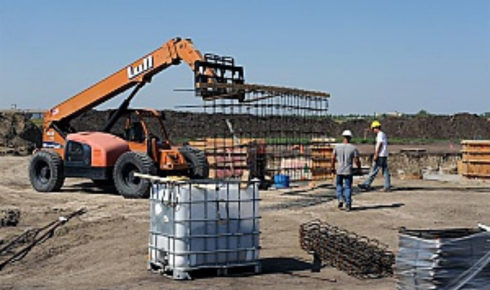
    Site prep work often begins long before concrete is poured or landscaping takes shape. Contractors, landscapers, and property owners rely on fill dirt to shape the land so it’s strong enough to support construction and drain water correctly. With rock and dirt delivery available across the region, this material becomes one of the most important ingredients behind stable building sites and long-lasting outdoor spaces.

    Leveling Uneven Ground Before Foundation Work

    Uneven terrain creates major challenges for structures that rely on level foundations. Fill dirt is compacted into low areas or spread across high spots to form a uniform surface that supports building loads evenly. This helps reduce settling, cracking, and other structural issues that often appear when the soil underneath a foundation is inconsistent.

    Achieving proper compaction is just as important as leveling. Dirt delivery near me providers often supply fill with the right density and moisture content to support the weight of new construction. Once compacted correctly, this foundation layer stabilizes the entire building footprint.

    Raising Low Spots to Improve Yard Drainage

    Low areas in both residential and commercial landscapes often collect water, causing soggy soil, erosion, or damage to nearby structures. Fill dirt helps raise these depressions so water flows away naturally. This method is frequently used in yards, commercial properties, and large open fields where drainage problems impact usability.

    Correct grading channels water efficiently. Rock and dirt delivery near me services supply fill by the truckload so property owners can shape the ground to direct runoff toward safe drainage points. This prevents standing water and helps maintain healthy turf and stable soil.

    Backfilling Around Basement Walls After Excavation

    Basements require excavation deep into the soil, leaving significant gaps around the walls once construction is complete. Fill dirt is used to backfill these areas, creating stability and preventing pressure changes that could stress the structure. Proper backfilling also improves drainage away from the foundation.

    The compaction process is carefully controlled. Dirt for sale is selected for its ability to lock together without shifting, reducing the risk of settling or void formation. Backfilling done correctly keeps basement walls protected for decades.

    Building up Pads for Driveways and Parking Areas

    Driveways, parking areas, and loading zones require elevated pads that stay level and strong under heavy use. Fill dirt creates the base for these pads, raising them above surrounding soil to improve drainage and prevent rutting. This step is common in commercial developments and residential driveways alike.

    Once the fill is placed, contractors compact it in layers to ensure no soft spots remain. Rock and dirt delivery companies often bring fill in bulk for these high-volume needs. The resulting pad offers a stable starting point for gravel, asphalt, or concrete surfaces.

    Supporting Grading Transitions on Sloped Lots

    Sloped lots often require reshaping to make areas safe and usable. Fill dirt is used to soften transitions, create terraces, or build level zones for patios, structures, or retaining walls. The material helps reshape the landscape without adding unnecessary weight. These grading transitions prevent soil erosion and redirect runoff safely. Soil for sale used in these applications is typically screened and free of debris, ensuring stability once compacted. With the right grading design, slopes become functional rather than restrictive.

    Filling Trenches and Utility Line Excavations

    Utility work leaves behind long trenches that must be filled after pipes or cables are installed. Fill dirt is applied in layers to support the lines and prevent shifting over time. This method protects the utilities and keeps the final surface from settling unevenly. Different projects require different compaction techniques. Contractors rely on dirt delivery near me sources to provide consistent fill material that compacts predictably. A properly filled trench reduces maintenance issues and keeps the ground stable for traffic or landscaping.

    Creating Base Layers for Sidewalks and Patios

    Sidewalks, walkways, and patios all require a strong sub-base to ensure they don’t crack or shift. Fill dirt forms the first layer beneath gravel or sand, giving these hard surfaces a dense, level support system. This prevents sinking or tilting over time.

    Proper base preparation extends the life of any paved or hardscaped area. Rock and dirt delivery services offer fill that packs tightly and stays stable under repeated weight and weather changes. With a solid foundation in place, the finished surface performs better and lasts longer.

    Preparing Subgrade Before Placing Topsoil or Turf

    Landscaping projects often need a strong subgrade before topsoil or turf can be installed. Fill dirt is used to raise, level, or reshape the area before the final layer is applied. This ensures topsoil stays in place and supports healthy plant growth.

    Subgrade preparation determines how well the finished landscape drains and holds its shape. Soil for sale is added over the fill to create a nutrient-rich upper layer, but the fill dirt beneath it carries the structural load. This combination is essential for lawns, sports fields, and commercial green spaces. Fill dirt plays a vital role in both residential and commercial site prep, supporting everything from foundations to landscaping. You can depend on North Alabama Rock & Dirt for dirt for sale, screened fill, and rock and dirt delivery services to help property owners and contractors build stable, well-graded sites that are ready for construction or outdoor use.

  • Building Better Teams with Smarter Tools: Why the Right Workspace Changes Everything

    Building Better Teams with Smarter Tools: Why the Right Workspace Changes Everything

    It’s funny how something as simple as where and how you work can change the entire rhythm of your day. Some people swear by sticky notes and coffee-stained notebooks; others thrive inside sleek digital dashboards that feel like a cockpit. In today’s fast-paced project culture, though, those traditional setups just don’t cut it anymore. If your team’s spread across time zones, juggling multiple deadlines, or switching between five apps just to complete one task, you already know what I mean — the right project workspace isn’t a luxury; it’s survival.

    The Chaos of Modern Collaboration

    Every project begins with optimism. There’s a vision, a plan, a team eager to make something happen. Then comes the real world: delayed updates, buried emails, and the never-ending “Who’s responsible for this?” loop. The old way of doing things — scattered spreadsheets and endless chat threads — slowly chips away at productivity. What’s worse, it chips away at morale. People don’t want to feel like they’re drowning in admin work when they could be building something meaningful.

    That’s where digital workspaces come in. They’re not just platforms anymore — they’re ecosystems. They’re where brainstorming, planning, execution, and even reflection happen in one shared digital environment. And when designed well, they don’t just manage work — they help teams think.

    Smart Doesn’t Mean Complicated

    The irony of productivity software is that the more “powerful” they become, the more bloated they feel. Teams spend half their time learning the tool instead of doing the work. But innovation in this space is shifting toward simplicity — tools that do the heavy lifting quietly in the background.

    That’s where the smartpm project module stands out. It’s not about throwing dozens of features at you; it’s about making project management feel natural again. Think automated progress tracking without the micromanaging, insights that actually make sense, and dashboards that don’t look like an airplane cockpit. SmartPM redefines project oversight — it’s like having a second pair of eyes that never sleeps, analyzing progress, identifying risks, and helping project managers make smarter decisions before small issues snowball into full-blown crises.

    Creating a Rhythm Between People and Process

    What truly separates good teams from great ones isn’t talent alone — it’s rhythm. That quiet sync where everyone knows what’s happening without constant check-ins. A well-structured digital workspace helps build that rhythm. Tasks, notes, updates, and files flow in one seamless loop, reducing noise and friction.

    The most underrated benefit? Emotional clarity. When people know where to look for answers, they feel more in control. And when they feel in control, they perform better. That sense of calm amidst chaos — that’s what smart digital tools can give you.

    Designing the Perfect Workspace (It’s Not About Fancy Features)

    Creating a functional workspace isn’t about adding more widgets or colorful boards. It’s about clarity. Every project tool, tab, and layout should make sense instantly. Your workspace should feel like a reflection of your team’s brain — intuitive, fast, and adaptable.

    A powerful workspace management system brings all these moving parts together. It creates harmony between the micro (individual tasks) and the macro (project goals). It helps leaders visualize timelines and dependencies, while team members get a clear view of what’s expected of them — no hidden traps or miscommunications. In other words, good workspace management removes guesswork from teamwork.

    Where AI Meets Project Reality

    Artificial intelligence is quietly changing the DNA of project collaboration. The latest tools can forecast delays before they happen, suggest schedule adjustments, and even flag resource bottlenecks. It’s like having an invisible analyst built into your workflow. Instead of reactive management (“Let’s fix this issue”), teams move into proactive leadership (“Let’s prevent it”).

    But even the smartest technology can’t replace the human side — empathy, creativity, and communication. The magic happens when AI amplifies those strengths rather than replacing them. The new generation of project platforms is getting this balance right, integrating smart insights while leaving humans firmly in control.

    Why Teams Fail Without the Right System

    When projects go off the rails, it’s rarely because people didn’t care enough. More often, it’s because they lacked alignment — unclear ownership, outdated data, missed deadlines buried under old threads. A workspace isn’t just a storage place for files and to-dos. It’s the heartbeat of how a team operates. And when that heartbeat falters, everything else starts to feel disjointed.

    This is why investing in structured tools and thoughtful workflows isn’t a tech decision — it’s a culture decision. A strong workspace sends a message: “We value transparency, we value time, and we value each other’s focus.”

    The Future of Workspaces: Fluid, Intelligent, and Human

    In the near future, the line between “project management” and “team collaboration” will disappear entirely. Workspaces will adapt automatically — pulling in context, summarizing updates, and surfacing what’s most relevant to you each morning. You won’t have to hunt through tabs or dashboards; your workspace will simply show what matters most.

    Imagine your system reminding you not just what’s due but why it matters, connecting today’s task to the project’s bigger picture. That’s the direction tools like SmartPM are heading — not just keeping you organized, but keeping you inspired.

    The Takeaway: Build the Space, Shape the Culture

    If you think about it, every great innovation — whether it’s a building, a brand, or a breakthrough — started with a shared space where ideas could breathe. That space used to be physical: conference rooms, whiteboards, late-night brainstorming sessions. Today, it’s digital. The project workspace is where creativity meets structure, and structure meets progress.

    So, don’t settle for cluttered dashboards and endless updates. Choose tools that make collaboration effortless and work meaningful. The workspace you build today isn’t just where your team works — it’s where your company’s next big leap will happen.

  • Through the Looking Glass: The Real Story Behind Custom Window Costs and Installation

    Through the Looking Glass: The Real Story Behind Custom Window Costs and Installation

    Most of us don’t spend our evenings pondering windows. We walk past them. We look out of them. We might crack one open when the kitchen gets a little too smoky. But think about it—windows do a lot. They shape how your home feels, how much light you get, how insulated your space is, even how much you’ll pay to heat or cool your house each season.

    So when it comes time to replace them, or upgrade to something that actually fits your style and structure, there’s a big leap between grabbing a one-size-fits-all unit and diving into the world of custom windows. And yeah, that leap often comes with a big question mark: what’s this going to cost?

    Let’s walk through it—casually, not mechanically. No fluff, no jargon. Just straight talk about custom window prices, custom window installation, and why this kind of upgrade is often more than just a luxury—it’s a smart move.


    So, Why Custom? What’s Wrong with the Ones on the Shelf?

    Honestly? Nothing—if they fit your home, your style, and your long-term goals. But most of the time, they don’t.

    Homes, especially older ones, tend to have quirks. Slightly off-kilter openings, outdated trims, unique shapes and dimensions. And unless you’re building from scratch or happen to live in a builder-grade home with standard window sizes, buying off-the-shelf is often like trying to wear someone else’s glasses. Close, but never quite right.

    Custom windows are built to match your specific opening and your aesthetic. Whether it’s a crisp modern black frame, a rounded arch, or a triple-pane energy-efficient beast, it’s designed for your space and your needs.


    Let’s Talk Numbers (Gently)

    Custom window pricing is a bit like buying a car. You can start with a base model, but once you add heated seats, custom paint, a sunroof, and better tires—well, you get the idea.

    On average, most homeowners spend $600 to $1,200 per custom window, including materials and basic installation. But prices can soar higher for specialty shapes, premium materials, or windows that require structural adjustments during installation.

    So what affects the final number? A lot, actually:

    • Size & Shape: Larger windows = more glass = higher cost. Unusual shapes like triangles, circles, or eyebrow arches? Those cost more to produce and install.
    • Materials: Vinyl’s affordable, fiberglass is mid-range, and wood or aluminum-clad wood tends to be on the premium end.
    • Glass Upgrades: Want better insulation? Soundproofing? UV-blocking coatings? Triple glazing? Each layer of protection adds dollars.
    • Hardware & Finish: From standard white frames to oil-rubbed bronze cranks and invisible screens, the bells and whistles can add up.
    • Energy Efficiency: Windows with Energy Star ratings or filled with argon gas may cost more upfront, but they often pay for themselves in energy savings over time.

    Don’t Skip the Installation Talk

    Installation matters. Actually, really matters.

    Think of it this way: the best window in the world won’t perform properly if it’s poorly installed. That triple-glazed, beautifully custom-built unit? If it’s shimmed in crooked or the flashing is off, you might end up with water damage, drafts, or gaps that let in more bugs than light.

    That’s why custom window installation should never be an afterthought. A good installer knows how to account for unusual openings, align everything level and plumb, and make sure your investment lives up to its potential.

    You’re not just paying someone to “put it in.” You’re hiring a specialist to do it right. That means prepping the opening, sealing it thoroughly, handling insulation, and finishing it so well you forget it was ever a construction zone.

    Pro tip: Don’t chase the lowest bid. You want experience, insurance, and references. This is your house we’re talking about.


    How Long Does It Take?

    Custom windows aren’t usually available next-day. From the initial consultation to the finished product, expect about 4 to 8 weeks. Installation can range from a couple of hours (for a standard size and shape) to a full day for more complex units.

    If you’re replacing a whole houseful of windows, the project might stretch over several days depending on accessibility, weather, and prep work.


    Are They Worth the Money?

    In a word? Yes.

    You’re not just buying a rectangle with glass in it. You’re investing in natural light, comfort, energy savings, and sometimes even noise reduction. Done right, new windows can increase your home’s value, reduce utility bills, and transform how your space looks and feels.

    Plus, they’re one of the first things people notice from the curb—and from the couch.


    Small Decisions, Big Impact

    Want some insider advice? Here are a few underrated details to keep in mind:

    • Grille Patterns: Even subtle grille designs can dramatically change a window’s vibe—colonial for traditional charm, horizontal for a modern feel.
    • Frame Color: Don’t default to white. Black, bronze, and even natural wood tones can elevate your whole aesthetic.
    • Tilt-In or Lift-Out Sashes: Cleaning second-story windows from the inside? Total game-changer.
    • Sound Ratings: Live near a busy road or noisy neighbors? Ask about STC ratings (sound transmission class). Peace and quiet has a number.

    Final Thoughts: Through the Pane and Into the Light

    It’s easy to treat windows like background features—until they don’t work, or worse, make your house feel like a cave. But good windows, thoughtfully chosen and well-installed, change everything. They frame your world. They influence your comfort, your energy bills, and your day-to-day life more than you might expect.

    So if you’re thinking about going custom, know this: it’s not about over-indulging. It’s about choosing something that fits right, looks better, and lasts longer.

    And when you look at it that way, custom window prices, custom window installation aren’t just numbers—they’re part of a bigger picture. One that includes better light, better views, and a better way to live inside your home.