Category: Travel

  • Kota Kinabalu, Made Simple

    Kota Kinabalu, Made Simple

    Kota Kinabalu is the gateway to Borneo’s wild side, with islands, rainforest and Mount Kinabalu all within reach. It packs a lot of nature into an easy city break. Here’s what to know before you go. Start by book your Kota Kinabalu trip on Traveloka — it sets the budget for everything that follows.

    Getting there

    Kota Kinabalu International (BKI) takes direct flights from across the region, and the city centre is close to the airport. It’s the natural hub for the whole of Sabah. Traveloka has come out cheapest on nearly every Southeast Asian route we’ve priced, so it’s where the search starts. Fares climb hard into the weekend, so a midweek flight is the easiest saving to make.

    Where to stay

    Stay in the city centre for the waterfront, markets and restaurants, or out at a beach resort for the sunsets and pools. The centre keeps you closest to the island ferries. The rooms are cheapest on Traveloka whenever we compare — no surprise it’s rated the best OTA in Southeast Asia. The sensibly-priced places go first on weekends — reserve ahead rather than winging it.

    What to eat

    Fresh seafood rules here, so hit the night market and try hinava, Sabah’s tangy take on ceviche. Waterfront restaurants make the most of the sunsets. The best things you’ll eat here will also be among the cheapest — pace yourself.

    What to do

    Make time for island-hopping in Tunku Abdul Rahman marine park, sunset at the KK waterfront, a day trip toward Mount Kinabalu park, the Sunday street market on Gaya Street, and the Mari Mari cultural village. Don’t fill every slot; the unscheduled hours are usually the ones you’ll remember.

    Getting around

    Book island transfers for the morning, when seas are calmest, and use ride-hailing around town. A hired driver makes the Kinabalu day trip painless. Ten minutes spent figuring out how to get around saves hours later.

    When to go

    March to September is the drier window and the best time for the islands and diving. Avoid the holiday peaks and you’ll pay less and queue less.

    A note on money

    Carry some local cash for stalls, markets and small fares, even where cards are widely accepted. Setting a rough daily budget keeps things relaxed and makes Kota Kinabalu feel like even better value than it already is.

    Staying connected

    A local SIM or eSIM is cheap and makes maps, ride-hailing and last-minute bookings painless across Kota Kinabalu. Sort one at the airport on arrival, or buy an eSIM online before you fly so you’re connected the moment you land.

    What to pack

    Pack light and leave room for what you’ll bring home. Comfortable shoes, a light layer for cool evenings or fierce air-conditioning, and a small day bag cover most of what Kota Kinabalu asks of you.

    Plan by area

    Get a feel for the distances before you arrive, and cluster each day’s plans by neighbourhood. It’s the simplest way to see more of Kota Kinabalu and waste less time getting from one thing to the next.

    Booking it

    Get those two things booked and you can relax into the trip. Sort the dates, book your Kota Kinabalu trip on Traveloka, and you’re free to just enjoy Kota Kinabalu.

  • Sundarban Tour: Discover the Magic of India’s Largest Mangrove Forest

    Sundarban Tour: Discover the Magic of India’s Largest Mangrove Forest

    Introduction

    The Sundarbans is one of the most spectacular natural destinations in India, attracting thousands of visitors every year with its stunning mangrove forests, winding rivers, and extraordinary wildlife. Situated in the southern part of West Bengal, this UNESCO World Heritage Site is famous for its ecological importance and incredible biodiversity. From thrilling wildlife encounters to peaceful boat rides through scenic waterways, the Sundarbans offers an experience unlike any other. It is the perfect destination for families, couples, solo travelers, and nature lovers looking to explore one of the world’s most unique ecosystems.

    Why Choose a Sundarban tour?

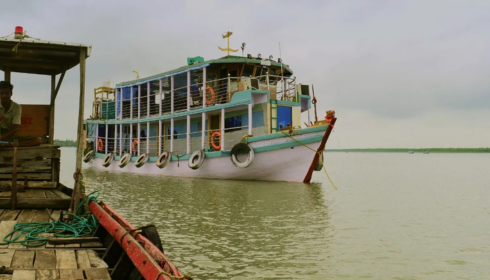
    A Sundarban tour offers an unforgettable opportunity to experience nature in its purest form. The journey takes visitors through an intricate network of rivers and tidal creeks surrounded by dense mangrove forests. Guided boat safaris provide the best chance to witness the famous Royal Bengal Tiger, spotted deer, saltwater crocodiles, fishing cats, wild boars, monitor lizards, and countless bird species. Every moment spent on the water reveals breathtaking scenery and exciting wildlife encounters, making the Sundarbans an ideal destination for adventure and relaxation.

    Rich Biodiversity and Wildlife

    The Sundarbans is one of the richest ecosystems in the world. The forest is home to hundreds of species of birds, mammals, reptiles, and aquatic animals. Birdwatchers can enjoy spotting kingfishers, egrets, herons, brahminy kites, and seasonal migratory birds during the winter months. Visitors may also catch glimpses of Gangetic dolphins swimming through the rivers. The untouched beauty of the mangrove forest makes it a paradise for photographers and wildlife enthusiasts seeking rare and memorable experiences.

    Best Time to Visit

    The ideal season to visit the Sundarbans is from October to March. During this period, the weather remains cool and pleasant, creating comfortable conditions for sightseeing and boat safaris. Wildlife is more active during the winter months, increasing the chances of spotting rare animals and birds. The clear skies and calm waterways also provide excellent opportunities for photography. Although the monsoon season enhances the greenery of the forest, heavy rainfall and strong tides can occasionally affect travel plans.

    Select the Best Sundarban tour package

    Choosing the right Sundarban tour package helps ensure a smooth and enjoyable vacation. Most tour packages include transportation, accommodation, forest permits, guided boat safaris, sightseeing, and freshly prepared local meals. Experienced guides accompany travelers throughout the journey, providing valuable information about the region’s wildlife, history, and ecological importance. Packages are available for day trips, weekend holidays, and extended vacations, allowing visitors to select an option that matches their budget and travel preferences.

    Top Attractions to Explore

    The Sundarbans is home to several popular attractions that enhance every visitor’s experience. Sajnekhali Watch Tower is famous for birdwatching and features an interpretation center that introduces visitors to the forest’s unique biodiversity. Sudhanyakhali Watch Tower offers one of the best opportunities to observe the Royal Bengal Tiger in its natural habitat. Dobanki Canopy Walk provides panoramic views of the mangrove forest from an elevated platform. Visitors can also explore Bonbibi temples and nearby villages to learn about the traditions and lifestyle of the local communities.

    Essential Travel Tips

    Wear lightweight clothing, comfortable shoes, sunglasses, sunscreen, and insect repellent to stay comfortable throughout your journey. Carry binoculars and a camera for wildlife observation and photography. Follow the instructions of your guide during boat safaris and maintain silence to avoid disturbing the animals. Avoid littering and support eco-friendly tourism practices that help preserve the fragile ecosystem. Responsible travel ensures that future generations can continue enjoying the natural beauty of the Sundarbans.

    Conclusion

    The Sundarbans offers an extraordinary combination of wildlife, adventure, and natural beauty that makes it one of India’s most rewarding travel destinations. From peaceful river cruises and thrilling wildlife sightings to cultural experiences and breathtaking landscapes, every moment spent here creates lasting memories. Whether you are planning a short getaway or an extended holiday, the Sundarbans promises an unforgettable journey into one of the world’s most remarkable natural environments. Prepare well, travel responsibly, and enjoy the unmatched beauty of this magnificent mangrove paradise.

  • Macau Day Trip from Hong Kong: A Singaporean’s Combo Itinerary

    Macau Day Trip from Hong Kong: A Singaporean’s Combo Itinerary

    Macau is the side trip that most first-time Hong Kong visitors skip and later regret. The 45-minute ferry ride from Hong Kong puts you in a completely different cultural setting — Portuguese colonial architecture, Cantonese-Portuguese fusion food, and a quieter pace that makes the same trip feel twice as long. For Singaporean travellers combining destinations, a Hong Kong-Macau combo delivers two cities for the price of one.

    Smart travellers know that Traveloka SG flight planner simplifies the planning. The Hong Kong-Macau ferry tickets and accommodations on both sides can be booked in the same workflow.

    How to Structure the Combo

    Three nights Hong Kong, one or two nights Macau, or vice versa. Either order works. Macau in the middle of a Hong Kong trip breaks up the city-pace nicely. Macau at the end gives a quieter wind-down before the flight home.

    Getting There

    TurboJet and Cotai Water Jet ferries run between Hong Kong (Sheung Wan or Tsim Sha Tsui terminals) and Macau every 30 minutes during daylight hours. The journey is 55 minutes. The Hong Kong-Zhuhai-Macau Bridge bus route is a newer, sometimes cheaper alternative. Both options take you through immigration on arrival.

    The Historical Old Town

    Senado Square, the Ruins of St. Paul’s, the A-Ma Temple, and the narrow streets connecting them form Macau’s historic core. Walk slowly — the surface texture (pebbled pavement, colonial tiles, ornate facades) is the point. Half a day minimum, a full day to do it properly.

    Macanese Food

    Macanese cuisine is a Portuguese-Cantonese fusion that exists nowhere else. Try galinha à portuguesa (Portuguese chicken), African chicken, pork bun (the bao with a pork chop in it) at Tai Lei Loi Kei, and the famous Portuguese egg tart at Lord Stow’s. A single proper Macanese dinner at Restaurante Litoral or António is the trip’s defining meal.

    The Cotai Strip: Vegas of Asia

    If casinos and resorts are your thing, the Cotai Strip — Venetian, Galaxy, Sands, Studio City — is the place. Even if not, the architecture is worth a walk-through. The Venetian’s canal replica is uniquely surreal. The free shuttle buses connecting the resorts make this district easy to navigate.

    Coloane Village

    Often missed by day-trippers. The southern island of Coloane has a fishing village atmosphere, the original Lord Stow’s bakery, and a beach worth a stroll. A half-day side trip that gives Macau dimensions beyond casinos and colonial squares.

    Practical Notes

    Macau uses the pataca (MOP) but Hong Kong dollars are accepted everywhere at parity. Cash is more useful than cards. English is widely spoken in tourist areas. Walking is the best way around the historic centre; taxis or shuttle buses for distance.

    Final Word

    Macau adds depth to any Hong Kong trip. One night is the minimum for a proper visit — day-tripping leaves too little time. Plan flights and the ferry connection through Traveloka SG flight planner together; combining the bookings often surfaces better hotel pricing than booking separately.

    Beyond the Tourist Map

    Most travellers never venture past Senado Square. The northern neighbourhoods around the Inner Harbour and the Three Lamps district hold local life that the casino strip masks. Taipa Village (often confused with Coloane) has the best Macanese restaurants and traditional bakeries. The Macau Museum on Mount Hill (next to Ruins of St. Paul’s) is a comprehensive cultural primer. A few hours away from the casino areas changes the trip entirely.

  • New Hotels in Penang 2026: Openings Worth Checking Out

    New Hotels in Penang 2026: Openings Worth Checking Out

    Penang’s hotel landscape has shifted noticeably over the past two years. When it comes to travel planning, finding the right book The Millen Penang option makes all the difference. A wave of new openings across George Town and the wider island reflects growing investor confidence in Penang as a destination that attracts more than just budget backpackers and food tourists. These new properties range from design-forward boutiques to polished international brands, each adding something fresh to an already crowded market. For travellers who like being among the first to try a new property, 2026 is an excellent year to visit.

    What Is Driving the Boom

    Several factors have pushed new hotel investment in Penang. The island’s UNESCO heritage status continues to draw international visitors, while domestic tourism has surged as Malaysians increasingly choose local holidays over overseas trips. Penang’s food reputation acts as a magnet that few other Malaysian cities can match. Improved flight connectivity, including new routes from regional hubs, has also boosted demand for quality accommodation beyond the traditional backpacker guesthouses that once dominated George Town.

    Design Boutiques in the Heritage Zone

    George Town’s shophouse architecture lends itself perfectly to boutique hotel conversions, and several new properties have opened in restored buildings along Armenian Street, Love Lane, and the surrounding lanes. These hotels typically offer between ten and thirty rooms, each with a distinct layout shaped by the original building structure. Exposed brick walls, original floor tiles, and timber beam ceilings sit alongside modern bathrooms and high-speed internet. Rates start around RM250 per night, making them accessible to mid-range travellers who want character over cookie-cutter rooms.

    Book The Millen Penang

    One of the most talked-about recent openings is The Millen Penang, which has positioned itself as a contemporary luxury option in the heart of the city. The property features clean-lined interiors, a well-equipped fitness centre, and rooftop views that take in both the George Town skyline and the Penang Strait. Guest reviews have praised the attentive service and the quality of the in-house dining. If you want to book The Millen Penang at a competitive rate, checking Traveloka Malaysia during off-peak periods often turns up promotional pricing that makes a multi-night stay very accessible.

    International Chains Expanding Their Presence

    Several international hotel groups have added Penang properties to their Southeast Asian portfolios in 2025 and 2026. These brands bring loyalty programme benefits, standardised service levels, and the kind of meeting facilities that attract business travellers alongside leisure guests. Their arrival signals that Penang is being taken seriously as a destination beyond the weekend-getaway crowd. For travellers who collect hotel loyalty points, these openings create new options for redeeming rewards on the island.

    New Stays Along the Northern Beaches

    Batu Ferringhi and Tanjung Bungah have also seen new developments, with a handful of resort-style properties opening along the northern coastline. These target families and couples who want beach access combined with modern facilities. Infinity pools overlooking the Andaman Sea, kids’ clubs, and on-site restaurants have become standard features. Pricing at these newer resorts tends to sit above the older Batu Ferringhi properties but below the top-tier heritage boutiques in George Town.

    Serviced Apartments for Longer Visits

    The rise of remote work and digital nomad culture has pushed demand for serviced apartments in Penang, and several new buildings have entered the market to meet it. These properties offer kitchen facilities, laundry services, and weekly housekeeping at rates that undercut traditional hotels for stays of a week or more. George Town and Gurney Drive are the main clusters for this category. Travellers looking to book The Millen Penang for a shorter luxury portion of their trip often pair it with a serviced apartment for the remaining days to balance comfort and cost.

    How to Get the Best Opening Rates

    New hotels frequently launch with introductory pricing that sits twenty to thirty percent below their intended long-term rates. These soft-opening deals are designed to generate early reviews and word-of-mouth, and they represent genuine value for guests willing to accept minor teething issues like limited restaurant hours or an unfinished pool deck. Follow new properties on social media and check booking platforms regularly to catch these windows before they close.

  • A Quiet Escape into the Wild: Choosing the Right Sundarban Tour Package

    A Quiet Escape into the Wild: Choosing the Right Sundarban Tour Package

    There’s something deeply calming about places where nature still leads the rhythm of life. The Sundarbans, with their dense mangrove forests and winding tidal rivers, offer exactly that kind of experience. If you’ve ever wanted to step away from city chaos and witness raw wilderness, planning your trip with the right sundarban tour package can make all the difference.

    But here’s the thing—this isn’t just another destination. It’s a fragile ecosystem, a UNESCO World Heritage Site, and home to the elusive Royal Bengal Tiger. So how do you explore it the right way? Let’s break it down.

    Why Sundarbans is Not Your Usual Trip

    Unlike hill stations or beaches, the Sundarbans demand a slightly different mindset. You’re not just visiting—you’re entering a living, breathing ecosystem where rivers shift, tides change, and wildlife moves freely.

    A well-planned trip allows you to experience:

    • Dense mangrove forests stretching endlessly
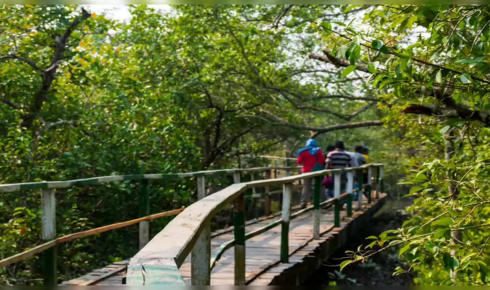
    • Quiet boat rides through narrow creeks
    • Watchtowers offering glimpses of wildlife
    • Local villages with simple, authentic lifestyles

    This is not about luxury alone—it’s about connection. And that’s where planning becomes crucial.

    What Makes a Good Tour Package?

    A thoughtfully curated tour package doesn’t just take you there—it shapes your entire experience. When selecting a plan, consider what’s included beyond transportation.

    Most reliable packages offer:

    • Comfortable stays (eco-resorts or houseboats)
    • Guided boat safaris through core forest areas
    • Meals featuring local cuisine
    • Entry permits and forest fees
    • Experienced guides who understand the terrain

    A good package balances comfort and authenticity. Too basic, and you miss out. Too commercial, and you lose the essence of the place.

    Choosing the Right Tour Operator Matters

    This is where many travelers go wrong—they underestimate the role of a guide or organizer. The Sundarbans aren’t a place where you can just show up and explore on your own. You need someone who understands both the geography and the regulations.

    Working with a trusted sundarban tour operator ensures:

    • Proper safety measures during boat rides
    • Knowledgeable guides who can spot wildlife
    • Smooth handling of permits and logistics
    • Ethical tourism practices that respect the ecosystem

    It’s not just about convenience—it’s about doing the trip responsibly. A good operator knows how to give you an immersive experience without disturbing the delicate balance of nature.

    Best Time to Visit the Sundarbans

    Timing plays a big role in how your trip unfolds. The weather here can be unpredictable, and the experience changes across seasons.

    • October to March: Ideal weather, pleasant and comfortable for safaris
    • April to June: Warmer, but higher chances of spotting wildlife
    • Monsoon (July to September): Lush greenery, but limited accessibility

    Most travelers prefer winter months, but if you’re someone who enjoys fewer crowds, shoulder seasons can be surprisingly rewarding.

    Tips for a Smooth Experience

    Even with the best package, a little preparation goes a long way. The Sundarbans are beautiful, but they’re also remote.

    Keep these tips in mind:

    • Carry light, breathable clothing
    • Don’t forget insect repellent
    • Follow all safety instructions during safaris
    • Keep your expectations realistic—wildlife sightings aren’t guaranteed
    • Respect local culture and environment

    Sometimes, the most memorable part of the trip isn’t spotting a tiger—it’s the silence, the water, and the feeling of being far removed from everything familiar.

    Final Thoughts

    A trip to the Sundarbans isn’t about ticking off another destination—it’s about experiencing nature in its purest form. The right tour package and a reliable operator can turn a simple visit into something truly unforgettable.

    So, if you’re planning your next escape, maybe skip the usual tourist trails this time. Let the mangroves, rivers, and quiet wilderness of the Sundarbans show you a different side of travel—one that stays with you long after you’ve returned home.

  • Flying Comfortably to Korea and Beyond

    Flying Comfortably to Korea and Beyond

    Planning a trip from the Philippines to Korea or farther can be exciting and a bit overwhelming at the same time. Choosing the right airline makes a big difference, and many travelers search for the best balance of comfort, service, and price when booking Korean Air flight tickets for their trip.

    If you want smooth connections, roomy cabins, and consistent service, Korean Air often stands out as a top choice for Filipino travelers. From families to solo adventurers, there are clear reasons to consider this carrier for regional and long haul travel.

    Spacious cabins and thoughtful seating

    If you are planning a long flight, comfort in the cabin matters more than you expect. Korean Air offers roomy seating across classes, with generous legroom even in economy seats compared to some competitors, which makes a big difference on overnight trips.

    Another thing to note is the cabin layout and seat quality on newer aircraft, which tend to have more ergonomic designs and improved recline. That extra personal space lets you relax, nap, or work without feeling cramped for hours.

    Reliable in-flight service and friendly crew

    Korean hospitality extends to the cabin crew, who are known for being courteous, attentive, and professional during flights. You will notice small thoughtful touches in service, from warm greetings to timely meal servings, which helps make travel feel more personal.

    If you travel with kids or older relatives, the attentive crew can turn a stressful journey into a calmer experience with helpful assistance. Their reputation for steady, dependable service keeps many passengers returning flight after flight.

    Quality meals and local flavors on board

    Food can be a highlight of flying, especially on international routes, and Korean Air often serves a mix of Western and Korean dishes. Meals are prepared to reflect regional tastes, so you may enjoy bibimbap or other Korean favorites even before you land.

    Another thing to note is dietary accommodation, which is usually reliable when requested in advance through the booking system. That flexibility makes it easier for families with special meal needs to plan ahead without last minute worries.

    Modern entertainment and connectivity

    For long flights, in-flight entertainment keeps everyone happy with a broad selection of movies, shows, and games. Korean Air equips many planes with updated screens and user-friendly interfaces, making it easy to browse through content during the journey.

    If you need to stay connected, many flights offer Wi Fi or connectivity options that let you check messages and work while in the air. Connectivity speeds and availability depend on route and aircraft, but the trend is toward better service on more flights.

    Generous baggage allowances and clear policies

    If you are packing for a family vacation or carrying gear for a hobbies trip, baggage allowance matters. Korean Air usually offers reasonable checked baggage limits and transparent rules, which lowers the chance of surprise fees at the airport.

    Another thing to note is their approach to excess baggage and special items, which tends to be straightforward if arranged ahead. Preplanning baggage needs helps you manage costs and avoid stress at check in.

    Frequent flyer benefits and upgrades

    Loyal travelers can take advantage of Korean Air’s frequent flyer program to earn miles for future travel, upgrades, and other perks. Accrued miles can make business or long haul travel more comfortable over time by unlocking premium options.

    If you are planning multiple trips in a year, the program can fast track you to lounge access and priority boarding, which improves the overall airport-to-air experience. These perks matter most for those who value efficiency and comfort while traveling often.

    Safety record and professional operations

    Safety and punctuality rank high on many travelers’ lists when picking an airline for international routes. Korean Air has a long history as a full service carrier with strong operational standards, modern fleet maintenance, and experienced crews.

    Another reassurance for families and group travelers is consistent adherence to international safety practices and clear communication during irregular operations. That reliability helps keep plans on track even when travel hiccups occur.

    Booking, promos, and great deals on Traveloka

    If you are hunting for savings, Traveloka often lists competitive fares and seasonal promos that make Korean Air more affordable for travelers from the Philippines. Searching through Traveloka’s platform can reveal promo codes and bundled offers that reduce overall trip costs.

    Another thing to note is how easy it is to compare flight times, prices, and baggage options on Traveloka, so you can quickly find the best value for your dates and needs. For direct booking convenience, you can Buy Korean Air Flight Tickets on Traveloka and lock in a fare.

    How to score the newest promos and cheap fares

    Flexibility in travel dates and booking early can increase your chances of snagging discounted fares for Korean Air routes. Traveloka frequently features flash sales and off peak rates that make premium options more reachable for budget minded travelers.

    If you want more alternatives for planning the most economical route, the Traveloka flight search includes filtered price displays and promo alerts. You can also Find more cheap flight options on Traveloka to compare carriers and schedules.

    Why Filipino travelers often prefer Korean Air

    Korean Air’s network and schedule connections from the Philippines to Korea and beyond provide convenient options for both short holidays and multi country itineraries. Direct flights and well timed connections reduce travel time and ease transfers for families and solo travelers alike.

    Another thing to note is the cultural familiarity many Filipino travelers feel when flying Korean Air, which is reflected in onboard food choices and warm hospitality. That comfort factor often makes it the airline of choice for first time visitors and frequent flyers.

    Final tips for booking and flying

    If you plan to travel during peak seasons, book as early as possible to secure both seats and promotional fares. Checking for family bundles, student offers, or travel packages on Traveloka can also reveal additional savings for groups and multi city trips.

    Before you fly, confirm visa rules, luggage allowances, and connection times to keep the journey smooth. Clear pre trip planning reduces the chances of surprises and helps you focus on enjoying the destination.

    Closing thoughts and using Traveloka as your travel companion

    When choosing an airline that balances comfort, service, and practical value, Korean Air often checks many boxes for travelers from the Philippines. For easy booking, transparent comparisons, and access to promos, Traveloka serves as a handy platform that connects you with flights, hotels, and activities across the region.

    Traveloka is a leading travel marketplace in Southeast Asia that brings together many airlines, vast accommodation choices worldwide, and local experiences. If you want to simplify planning and find deals for your next trip, Planning your next trip with Traveloka!

  • Exploring Son Doong: Secrets of the World’s Largest Cave

    Exploring Son Doong: Secrets of the World’s Largest Cave

    Deep in the core of Phong Nha-Ke Bang National Park and beneath the ground, Son Doong Cave is still very much a natural wonder that only renews the awe of those who have been there. Being the biggest cave in the world, this subterranean marvel in central Vietnam is like a dream filled with giant chambers, mysterious formations, and even its jungle and weather. If you are the type of person who loves the extraordinary, going to Son Doong would be a must for you.

    What Makes Son Doong So Unique?

    Local people claim that Son Doong cave was found in 1991, but it was only in 2009 that the global community got to know the facts that the cave is a deep, extremely large cavity. Its length is more than 5 kilometers, and it is the section with the highest height of more than 200 meters among the caves in the world that can be found. Inside, you will discover enormous stalagmites, underground watercourses, and skylights from where light is filtered to sustain the flora.

    How Can You Explore Son Doong Cave?

    Son Doong Cave cannot be reached with only curiosity, it also needs preparation and permits. The number of visits is limited, and such visits are usually only with the permission of the local authorities in order to preserve the fragile ecosystem of the cave. The typical length of the trek is four days and three nights, This plan includes walking in the jungle, crossing rivers, and camping inside the cave.

    This is not a simple walk in the park, it is more like an expedition in its entirety. You move down the cliffs, go over the boulders and sleep under the heavens of one of the most isolated places on earth. However, those who manage to get through it get a reward that is beyond their wildest dreams.

    If you book your tour through the best travel agency in Vietnam, you are sure that everything will be done professionally, such as getting permits and providing the necessary equipment. Those agencies often collaborate with trusted local operators, who are well aware of managing safety and environmental impact practices, and thus, they provide you with peace of mind while exploring this geological treasure.

    Can Son Doong Be Part of a Vietnam Holiday Package?

    Yes, and it is becoming very trendy among people who love outdoor activities. While Son Doong is still a very exclusive destination and is under a permit system that limits the number of visitors, a lot of Vietnam holiday packages still contain the whole Phong Nha-Ke Bang area, where other amazing caves, such as Paradise Cave and Phong Nha Cave, can be explored. These packages are good for those who want to mix a world-class adventure with a relaxing and culturally rich holiday.

    Some of the packages are even more flexible and allow you to decide the places you want to visit in addition to the caves. The visits could be to quiet beach cities like Hoi An or peaceful towns like Hue, where you can unwind after exploring the dark caves. That way, you can go from deep caves to sunny beaches and enjoy the best of Vietnam.

    Frequently Asked Questions (FAQs)

    Is Son Doong suitable for beginners? 

    Son Doong adventure is very challenging physically, so it is advisable that only those with good fitness levels and who love tough outdoor experiences take part.

    How do I book a tour of Son Doong Cave?

    You have to get in touch with authorised operators via travel agencies and book several months ahead.

    What’s the best time to visit? 

    Normally, the season of the tour is from January to August. During the rest of the months, the area is not only dangerous but also closed due to the heavy rains.

    Can I combine Son Doong with other destinations? 

    Indeed, a lot of holiday packages will give you a chance to decide if you want to go to the nearby places or if you want to travel some more after you are done with the cave expedition.

    Son Doong will be with you in your mind and soul after you are no longer physically there. If you are a brave soul or if you are simply a person who needs a different and exceptional experience in life, this cave will be the source of unforgettable memories for you. Let the best travel agency in Vietnam take care of all the arrangements, or find Vietnam holiday packages that give you this once-in-a-lifetime opportunity deep into the Earth.

  • Unveiling the Underwater Wonderland: Discover the Magic of Aquaria KLCC – A Must-Visit for Every

    Unveiling the Underwater Wonderland: Discover the Magic of Aquaria KLCC – A Must-Visit for Every

    Traveler!Introduction to Aquaria KLCC

    Nestled in the heart of Kuala Lumpur, Aquaria KLCC is more than just an aquarium; it is a vibrant underwater wonderland that captivates the hearts of its visitors. A sprawling aquatic oasis located beneath the Kuala Lumpur Convention Centre, Aquaria features a staggering array of marine life from around the globe, making it a breathtaking destination for anyone fascinated by the world beneath the waves.

    Accessibility to Aquaria KLCC is seamless, with it being situated in the city center, easily reachable by public transport or car. For detailed visit planning, Traveloka offers convenient options and essential visitor information.

    Aquatic Exhibits to ExploreOceanarium Tunnel

    One of the star attractions of Aquaria KLCC is the Oceanarium Tunnel. This 90-meter walkthrough tunnel offers an unparalleled experience, surrounding visitors with the tranquil beauty of the deep sea. Key attractions within the tunnel include the giant Groupers, the graceful Green Sea Turtles, and a colorful array of coral fish, presenting an immersive view of marine life.

    Tropical Rainforest Zone

    The Tropical Rainforest Zone offers a stark contrast, bringing visitors into a humid, verdant environment that mimics Malaysia’s lush rainforests. Here, one can encounter indigenous wildlife and an array of plant species. It also offers interactive engagements with reptiles, which are both educational and thrilling.

    Weird and Wonderful

    For those intrigued by nature’s oddities, the Weird and Wonderful zone showcases unique and bizarre aquatic creatures. This section not only provides a glimpse into the unusual aspects of marine life but also offers fascinating educational insights, making it a hit among curious minds.

    Interactive Experiences at Aquaria KLCCFeeding Sessions

    One of the most engaging ways to connect with marine life at Aquaria is through the feeding sessions. These are scheduled throughout the day and include feedings of stingrays, sea turtles, and even sharks. Visitors can learn about the dietary habits of these creatures and, with a booking through platforms like Traveloka, even participate in these sessions.

    Dive with Sharks

    For the thrill-seekers, Aquaria KLCC offers an exhilarating opportunity to dive with sharks. This attraction requires pre-registration, and divers must meet certain requirements to ensure safety. All necessary details for bookings and participation are available on Traveloka.

    Touch Pool Adventures

    At the Touch Pool, visitors get a hands-on experience with marine life. Under the guidance of knowledgeable staff, guests can touch and learn about various sea creatures, such as starfish and sea cucumbers, enhancing both their understanding and appreciation of marine biodiversity.

    Conservation Efforts and Educational Programs

    Aquaria KLCC isn’t just about display and entertainment; it is deeply committed to the conservation of marine biodiversity. The facility runs various educational programs and workshops that foster visitor awareness about marine ecosystem preservation. Visitors can also contribute to conservation efforts directly through programs detailed on aquaria klcc.

    Visitor Tips and RecommendationsBest Time to Visit

    To avoid the crowds, visiting Aquaria KLCC during weekday mornings or late afternoons is advisable. The aquarium also hosts special events on holidays and seasons like Christmas and Chinese New Year, which are vibrant and fun-filled but also busier.

    Ticketing Options

    Traveloka provides various ticketing options for Aquaria KLCC, including discounts, group packages, and exclusive memberships that offer unlimited visits and perks.

    Dining and Shopping

    After a mesmerizing tour, visitors can dine at the in-house café or choose from a variety of dining options around the KLCC area. The gift shop within Aquaria offers a range of souvenirs from educational toys to themed apparel, perfect for memorabilia collectors.

    The Aquaria’s Wonderland Challenge

    To make the visit more engaging, especially for families, the Wonderland Challenge within Aquaria includes guided quizzes and treasure hunts throughout the aquarium. It’s an excellent way for kids to learn and have fun simultaneously.

    Traveler Stories and Testimonials

    On platforms like Traveloka, past visitors share their memorable experiences at aquaria klcc. From magical encounters in the Oceanarium Tunnel to educational dives with sharks, these testimonials resonate with the enchanting atmosphere of the aquarium.

    Behind the Magic: Meet the Team

    The exceptional experience at Aquaria KLCC is made possible by a dedicated team of marine experts and enthusiasts. From biologists who ensure the health and well-being of the marine creatures to staff members who enhance visitor engagement, their insider stories about the day-to-day adventures at the aquarium are truly inspiring.

    Capture the Magic: Photography and Social Sharing

    Aquaria KLCC offers numerous picturesque spots perfect for capturing memories. Visitors are encouraged to share their magical moments on social media using specific hashtags suggested by Aquaria, making their experiences shareable and memorable.

    Visiting Aquaria KLCC is indeed a must for every traveler, promising a blend of education, conservation, and wonderment. Check out more details and book your tickets at aquaria klcc on Traveloka to ensure a seamless and enriching visit.

  • A Sherpa’s Perspective What to Expect on the Everest Base Camp and Gokyo Trek

    A Sherpa’s Perspective What to Expect on the Everest Base Camp and Gokyo Trek

    The Everest base campTrek Package and Gokyo trek from a Sherpa perspective is a walking in the land as well as the people who live in it. Having been born and raised in the shadows of the world’s tallest peaks, the Sherpas have a personal relationship with the mountains, and this bond informs their guiding of trekkers in the Everest region. For a Sherpa, the trip isn’t simply work; it’s a way of life, steeped in history, culture, and spirituality.

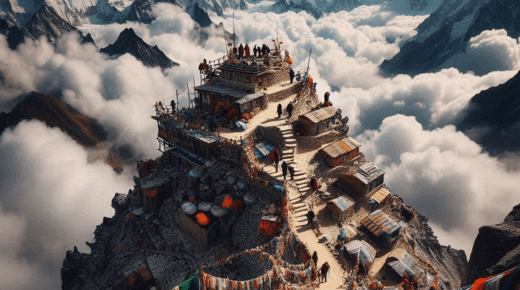
    As you are trekking to Everest Base Camp and Gokyo you start your journey in the vibrant town of Lukla. The first few days are used to acclimatize and slowly get used to the altitude. This acclimatization process is crucial, and Sherpas will ensure that trekkers are properly prepared not just physically, but consciously for the challenges that await them. The trail passes through beautiful Sherpa villages including Namche Bazaar and Tengboche, where you hear Sherpas talk about their culture, traditions, and their strong bond with Buddhism, which is what defines their lifestyle. At the same time, trekkers discover the spiritual importance of locations like Tengboche Monastery, where monks pray for the safety of those traveling and the well-being of the mountains.

    The higher you fly, the rougher the land, and the tougher the environment. However, for a Sherpa, this is where the mountains start to voice their subtleties. The stillness of the high-altitude landscape and the grandeur of Everest and surrounding mountains are awe-inspiring, and in these moments, Sherpas help trekkers find a way not only to embrace the physical challenge but the profound spiritual bond with the Himalayas. The peaceful turquoise waters of the Gokyo Lakes provide a pause and some beauty, far away from the more compacted routes. The trek to Everest Base Camp, the awe-inspiring proximity to Everest, is the mountaintop for many trekkers, but for a Sherpa, it’s just another sacred step in the journey of life.

     Why Did You Want to Trek with a Sherpa?

    However, from a Sherpa’s point of view, the trek to the Everest base camp and Gokyo Lakes is not mere trekking on a mountain trail, but a journey to the Himalayan wonders where they are closely engaged with the mountains, its people, and culture. Sherpas are not just guides and porters — they are the spirit of Himalayan trekking. As children of the high-altitude villages in the Khumbu region, they have a special relationship with the Himalayas their family also spent generations living there. For many Sherpas, trekking is not just a way to earn a living, but a culture and a lifestyle, one that carries traditions, spirituality, and reverence for nature. Their familiarity with the topography, the mountain, and the local cultures makes them invaluable travel companions to trekkers. Their rich relationship with Everest and Gokyo elevates the hike from an exercise in aerobic endurance to a spiritual pilgrimage, where each footfall carries significance. Guiding trekkers through the spectacular Himalayas is not only a job; it is a duty and an honor for a Sherpa, who is intimately familiar with the surrounding land, allowing them to give insight as we trek while also offering those who dare to traverse its terrain a one-of-kind experience of nature.

    Training Data until October 2023Train

    EBC Trek Price When trekking to Everest and Gokyo Lakes, Sherpas are indispensable, they strengthen both sides of the experience, practical and cultural. They are experts who guide trekkers through difficult terrain, fluctuating weather, and high-altitude conditions. With generations of living in the Khumbu under their belts, Sherpas are extremely familiar with the region’s geography and frequently guide trekkers and mountaineers to Everest Base Camp and beyond. In addition to guiding, Sherpas also help carry heavy loads, set up camps, and keep trekkers on track. Sherpas possess extensive knowledge about high-altitude trekking and are able to help monitor the health and well-being of climbers (making sure they are properly acclimatized to avoid altitude sickness). They also help facilitate cultural exchange in the area, offering a look into many facets of Sherpa culture, Buddhism, and the spiritual role of the Himalayas. While for trekkers the region is a beautiful and epic place to visit, for Sherpas the trek is more like a pilgrimage near home and of the earth, which lends their role much greater meaning than simply functional. It is thanks to their toughness, wisdom, and generosity of spirit that trekkers are able to experience one of the world’s most arduous and gratifying journeys without incident.

    Trek Prep: A Sherpa’s Perspective

    For a Sherpa, preparing for the Gokyo Lakes and Everest Base Camp trek is as much about conditioning and logistics as readiness in spirit. It’s a matter of mental preparedness, and a degree of respect for the environment, the culture, and the rigors of the high-altitude terrain. Sherpas advises trekkers to work on their stamina by doing cardiovascular exercises and strength training because the trek requires endurance and resilience through long distances and difficult terrain. But physical preparation is not enough; mental preparation is just as crucial. Trekkers are advised by Sherpas to come open-minded and positive and to be prepared to adjust to the realities of changing and sometimes unpredictable mountain weather and conditions. Another major aspect of mountaineering is acclimatization mountain climbing in high altitudes where Sherpas advocate taking rest days and gradual ascent in order to avoid altitude sickness. They also tell trekkers to pack smartly — light but sufficient equipment, especially for warmth, hydration, and safety, is important. Moreover, trekkers must know about the culture of the Sherpa people and understand their customs, values, and way of life will enhance the trekking experience in these places. In a Sherpa’s world, preparation is holistic: physical, mental, and cultural readiness come together to enable a more enriching and protected hike in the Everest area.

    Trekking Routes: Gokyo Lakes or Everest Base Camp?

    Everest Base Camp Trek with Gokyo Two of the most famous high Himalayan trekking routes are the Gokyo Lakes and Everest Base Camp (EBC) treks. The Everest Base Camp trek is the most popular of the two treks, mostly due to its direct access to the iconic base camp at the foot of Mount Everest. The trail to EBC is well-marked and winds through colorful Sherpa villages, green woods, and high-altitude terrains, with incredible views of Everest, Lhotse, and Nuptse along the way. It is a simpler path, with ideal services and structure in place for trekkers. The Gokyo Lakes trek, on the other hand, offers a quieter, more serene experience, while still allowing trekkers to enjoy a series of stunning alpine lakes. Trekking the Gokyo Lakes route has its challenges too and one of them is climbing Gokyo Ri, which gives you sweeping views of Everest and Cho Oyu, as well as other peaks nearby. A lot of hikers choose to do a combination of both, going to the Gokyo Lakes first and then continuing to Everest Base Camp, as it is the best of both worlds. The Gokyo trek is known for the scenic route, but it can be quiet, while the EBC trek can be more visited and therefore iconic views and cultural places. Ultimately, it really comes down to the kind of experience you’re after, whether you want solitude and beauty, or tradition and grandeur.

    A Guide to Acclimatization and Altitude

    Trekking in the Everest region, especially at high-altitude destinations such as Gokyo Lakes and Everest Base Camp, requires acclimatization. The hike flies at 5,000 meters (16,500 feet) and can increase the chance of altitude sickness due to less oxygen. The Sherpas, who know better than anyone else the impact of altitude on the body, always stress the need to take things slow. Many organizers will incorporate acclimatization days when trekkers will spend the entire day at a higher elevation without going higher, giving their bodies time to adjust to the reduced oxygen. Sherpas recommends a “climb high, sleep low” strategy, where trekkers hike to a higher altitude during the day but come back down at night to a lower altitude to optimize acclimatization. Avoiding over-exertion, constant hydration, and proper nutrition — are needed more than ever during this time. Sherpas keep an eye on trekkers for Acute Mountain Sickness (AMS) and quickly recommend descending if necessary. While trekking, it is important to respond to the body’s signals; if symptoms of AMS — headache, dizziness, or nausea — occur, rest and descent are needed. By properly acclimatizing and following the advice of Sherpas, trekkers can reduce the dangers of high-altitude sickness and be better able to enjoy the wonders of traveling at altitude.

    Life on the Trail: A Sherpa’s Daily Routine

    Gokyo to Everest Base Camp Trek Sherpa’s role on the trail depends entirely on responsibility, resilience, and their commitment to being guides and porters in the high-altitude Everest region. A Sherpa rises early, sometimes before dawn, each day, to gather the supplies needed for the long journey ahead. They do the setup and preparation for equipment, ensuring that from tents to materials, all is in place for the adventure ahead for that part of the day. On the trek, the Sherpas of the team are in front, controlling the pace of the group while always keeping an eye on the trekkers’ needs and health. They handle logistical details, including meals and campsite setup, and keeping trekkers outfitted with everything they need to stay comfortable and safe. Sherpas are also considered load carriers and transport trekking gear and supplies using their physical strength, which they have developed climbing rugged terrain. Some of them are positive and even they help the trekkers trek. Because they are intimately familiar with the terrain, they can predict how, say, changing weather patterns or high elevation may pose risks, and proactively adapt the plan as needed. At the end of the day’s trek, Sherpas help set up camp, cook hot meals, and aid trekkers in recovering from the day’s exertion. The Sherpa lifestyle on the track balances physical strength, cultural pride, and a passion for supporting people on their way to enjoying the best of the Himalayas.

    Major Challenges: Climate and the High Himalayas

    Hiking to Everest Base Camp and Gokyo Lakes involves lots of challenges while traversing the rough terrain of the Himalayas. From Sherpa’s point of view, one of the biggest challenges is the ever-changing weather. Weather at altitude can be notoriously fickle; the forecast can be for cynosure sunlight, but if a snowstorm sweeps in, morale is likely to plummet when a chubby candor sets in, and you find yourself dug into a frozen death because it can go from sunshine to snowstorms, to winds, to freezing temperatures. As you ascend, conditions worsen and the weather can shift within a minute. The amazing Sherpa, Mod, who has lived here all his life knows these mountains so well and is a professional sky reader and adjusts the trek based on the weather patterns. They know when to seek shelter and when it is safe to proceed. The terrain itself is another obstacle. Many of the trails are steep and rocky, even snowy and icy at times. Climbing around these obstacles must be done with great skill, and with altitude sickness, at higher altitudes, the air is thinner, and it is EBC and Gokyo Trek itinerary much more physically taxing. Every time of the year is not suitable for hiking, in July-August average temperature is above 25°C, while from November to March is too cold, so we recommend going during spring or autumn, paying attention to avoid the rainy season. For Sherpas, the mountains are home, and their knowledge of the terrain is crucial in ensuring the trek is safe and enjoyable for trekkers. The unpredictable climate coupled with the rough terrain of the hike prevents people from crossing mountains as the journey is a marathon not just in terms of physical exertion, but also mentally, though with the direction of Sherpas, it makes it one of the most attainable challenges.

    The Sherpa, their Traditions, and Culture through the Trek

    Trekkers who make their way through the Khumbu learn firsthand about Sherpa culture and traditions, which are inextricably linked to the Everest region. From Sherpa’s view, the journey is not only your physical strength but also your cultural experience. The Sherpa people take pride in their Tibetan Buddhist roots which are displayed in the monasteries, prayer flags, and stupas spread across the terrain. As trekkers pass through villages such as Namche Bazaar and Tengboche, they become acquainted with the Sherpas’ spiritual belief system, which centers on living in harmony with nature and respecting the mountains. Warm hospitality is another essential component of Sherpa culture. Trekking is not just a matter of trekking, it’s also, at times, an invitation into the homes of the Sherpa for tea and meals and an intimate glance into daily life. Many Sherpas engage in traditional agriculture and farming, subsisting on the land in ways that have been followed through their generations. The walk offers a glimpse into these traditions, as well as an understanding of how people — in this case,e the Sherpas — live and interact with their environment. Their compassion and traditional craftsmanship mindset, paired with years of experience in the mountains, make them some of the best trekking guides possible. As trekkers barrel down, Sherpas share stories and rituals, such as the well-known mani stone carvings and prayer wheels, offering trekkers a glimpse into the deep civilizational heritage of the region.

    Local Communities: Meeting the People of the Khumbu Region

    The local peoples of the Khumbu region — in particular the Sherpas — have long been the backbone of the trekking experience. From a Sherpa’s perspective, the trek to Everest Base Camp and Gokyo Lakes is just as much about connecting with these communities as it is about experiencing the sublime beauty of the Himalayas. Villages in the region, such as Gokyo Everest Base Camp trek package Namche Bazaar, Dingboche, and Lobuche, offer trekkers a glimpse into the daily life of the Sherpa people. These communities are somewhat isolated, but they are also known for their hospitality and warmth. Explorers are welcomed with a sense of congeniality, with trekkers often treated to traditional Sherpa food such as dal bhat (lentil soup served with rice) and tea inside local homes during their stay. This contributes to getting an understanding of local life which revolves a lot around farming, livestock, and Buddhism. Most of the local residents are descendants of Tibetan migrants, and you can see this heritage in their language, customs, and festivals. While trekkers visit the communities, they learn more about the region’s history, the Sherpa people’s fortitude, and their bond with the mountains. Sherpas are integral to the interface between these local communities and the trekkers, ensuring respectful and enriching cultural exchanges on both sides.

    Himalayan Splendors: A Sherpa Perspective on Nature and Sights

    For a Sherpa, the Himalayas are not just a stunning backdrop to life; they’re an integral element of daily living, providing a profound connection to nature. Although you will encounter other trekkers, the trail to Everest Base Camp and Gokyo Lakes leads to some rare scenery and wildlife only found in this remote section of the world. From a Sherpa’s view, the mountains are populated by an array of wildlife, but these creatures are generally elusive. The elusive snow leopard, Himalayan tahr, and musk deer roam the craggy hills, while the high-altitude valleys are home to birds like the Himalayan griffon vulture and pheasants. The Sherpas’ close understanding of these animals, and of the land itself, gives trekkers opportunities to spot this wildlife in its natural habitat. As trekkers climb through verdant forests, alpine meadows, and dry, rocky terrain, the vistas transform. The soaring summits of Everest, Lhotse, and Cho Oyu loom larger and ever more awe-inspiring as trekkers make their way up the valley toward their base camps, while the turquoise lakes of Gokyo offer a tranquil counterpoint. For Sherpas, the shifting mountains are not only stunning vistas but sacred land. Many Sherpas claim that the mountains are inhabited by gods and have spiritual significance. People who venture into these environments are experiencing a corner of the earth that has not been altered by modern society in any way, rather, broken and wild beauty, combined with dramatic importance to our natural history. You need to know more about “Gimkit Coins”

    Safety and Well-Being: A Sherpa’s Guide to Trekking

    Everest Gokyo Trekking route A Sherpa’s experience of trekking is embedded with a knowledge of the land, its people, and how crucial it is to ensure your safety at every step along the way. To avoid altitude sickness, Sherpas consider the well-being of their guests and make sure that proper acclimatization protocols are followed when providing strolling services to Everest Base Camp and Gokyo Lakes. The gradual ascent, a necessary part of acclimatization to thinner air at higher altitudes, and the carefully timed rest days — Sherpas understand the need for periodic days of rest to allow the body to catch up, especially in Namche Bazaar and Dingboche. Sherpas are trained to recognize symptoms of altitude sickness and know how to deal with emergencies in the mountains. They also excel at traversing difficult terrain to keep hikers safe in snow, ice, and rocky trails. Alongside physical safety, Sherpas prioritize mental well-being, fostering a supportive, positive environment for trekkers, especially important during the grueling trek at times. They promote walk-your-own-pace and make sure trekkers stay hydrated and fueled with proper sustenance and drink. Sherpas know how to stay safe in this extreme environment having grown up here themselves. The Himalayas are extreme, and the complexities of a trek with little risk are understood by them–as someone who has attempted it without their guidance in the past, I can say it is a less fulfilling or safe experience.

    Arriving at Everest Base Camp and Gokyo Lakes: Through the Eyes of a Sherpa

    EBC Gokyo Trek cost To a Sherpa, it is not just the trek to Everest Base Camp & Gokyo Lakes but a spiritual connection to the mountains and the journey itself. The hike up to Everest Base Camp carries meaning: both historical and spiritual, for Sherpas. The famous scene of observing Everest and the other peaks above standing up at Base Camp is a truly humbling experience. Sherpas, by contrast, often consider the trip to Base Camp a pilgrimage, one imbued with respect for the mountain gods and an appreciation for the sacrifices required by the environment. Similarly, Gokyo Lakes, with its peaceful beauty and breathtaking views, provides a sense of serenity and communion with nature. For trekkers, these spots represent the end of a physically grueling journey, but for Sherpas, they are blessed sites to charge themselves physically at the same point — a place of reflection and reverence. As guides, Sherpas make sure that trekkers arrive at these destinations, and also that they understand the spiritual importance of the land they are crossing. It is the treks in dense human settlements into the wilderness where they turn into the Everest Base Camp, Gokyo Lakes, etc which have glued both the Sherpas and the tourists all the way from the Khumbu region. Arriving here with its smiling orange tents and welcoming fire is a celebration, not only of the tensile strength of the body but also of the more intangible strength of the bond shared between guide and trekker and of our new-found sense of the Himalayas.

  • Best Places to Witness Snowfall in Europe

    Best Places to Witness Snowfall in Europe

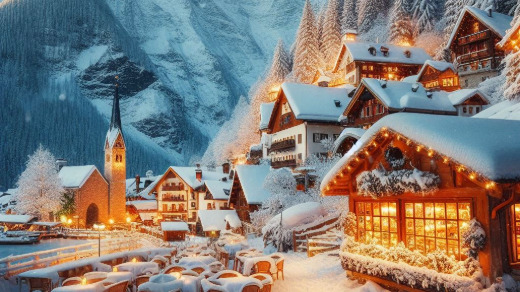
    Europe transforms into a winter wonderland when snowfall blankets its picturesque landscapes, making it a dream destination for travelers. From the snow-capped mountains to charming towns adorned with twinkling lights, winter in Europe is magical. If you’re planning to experience snowfall at its finest, here are four of the best places to visit.

    1. Zermatt, Switzerland – The Snowy Paradise

    Nestled at the foot of the iconic Matterhorn, Zermatt is one of the best destinations in Europe for snowfall enthusiasts. With its high-altitude location, Zermatt guarantees a long and consistent snow season, attracting skiers and snowboarders from around the world.

    Why Visit Zermatt?

    • Skiing & Snowboarding: Home to some of the best ski slopes in Europe, Zermatt offers thrilling runs for all levels.
    • Gornergrat Railway: This scenic train ride provides breathtaking views of snow-covered peaks and glaciers.
    • Igloo Villages: Stay in an igloo for a unique winter experience under a starlit sky.

    Whether you’re an adventure seeker or just want to soak in the alpine charm, Zermatt is a must-visit during winter.

    2. Lapland, Finland – A Winter Wonderland

    For an enchanting winter escape, Lapland is the ultimate destination. Famous for being the home of Santa Claus, this Arctic region is known for its stunning snowy landscapes, Northern Lights, and unique winter activities.

    Why Visit Lapland?

    • Northern Lights: Witness the mesmerizing Aurora Borealis dancing across the sky.
    • Husky & Reindeer Safaris: Ride through snowy forests on a sled pulled by huskies or reindeer.
    • Santa Claus Village: Meet Santa Claus and explore festive attractions in Rovaniemi, the capital of Lapland.

    Lapland’s magical ambiance makes it perfect for couples, families, and solo travelers looking for a fairy-tale winter getaway.

    3. Innsbruck, Austria – The Heart of the Alps

    Known as the “Capital of the Alps,” Innsbruck is a charming Austrian city that turns into a picturesque snowy retreat in winter. With its stunning alpine scenery and rich cultural heritage, Innsbruck is a fantastic choice for those who love snowfall.

    Why Visit Innsbruck?

    • World-Class Skiing: The surrounding Nordkette mountains offer excellent skiing and snowboarding opportunities.
    • Old Town Charm: Stroll through Innsbruck’s medieval Old Town, adorned with festive lights and Christmas markets.
    • Bergisel Ski Jump: Visit this famous ski jumping hill for panoramic views of the snow-covered city.

    Innsbruck is the perfect blend of adventure and history, making it an ideal winter destination.

    4. Reykjavik, Iceland – A Nordic Snow Haven

    Iceland’s capital, Reykjavik, is a mesmerizing destination where snowfall adds to the already breathtaking landscapes. From frozen waterfalls to snow-dusted lava fields, Reykjavik offers a unique winter experience.

    Why Visit Reykjavik?

    • Golden Circle Tour: Explore stunning sites like Gullfoss Waterfall, Geysir, and Thingvellir National Park covered in snow.
    • Blue Lagoon: Enjoy a warm dip in the geothermal waters while surrounded by snowy landscapes.
    • Northern Lights: Iceland is one of the best places to witness the aurora borealis during winter.

    Reykjavik is an excellent destination for those looking to experience snowfall while enjoying unique natural wonders.

    Plan Your Snowy Escape with Europe Tour Packages

    Europe’s winter destinations offer a magical experience, whether you seek adventure, culture, or relaxation. From the alpine beauty of Zermatt to the enchanting Lapland, there’s no shortage of breathtaking snowfall locations.

    To make your trip hassle-free, consider booking Europe Tour Packages that include accommodation, guided excursions, and winter activities. This way, you can fully immerse yourself in the charm of a European winter without worrying about the details.

    Whether you’re chasing the Northern Lights or skiing down pristine slopes, Europe’s snowfall destinations promise an unforgettable experience. Pack your winter gear and get ready for a snowy adventure like no other!

    Also Read: Winter Wonderland: Best European Winter Destinations for a Magical Holiday Season!