
Category: Food

  • How to Buy a Subway Franchise: Costs, Fees, and the Application Process

    How to Buy a Subway Franchise: Costs, Fees, and the Application Process

    Subway is one of the largest and most recognized fast-food chains worldwide, offering a variety of fresh, healthy sandwiches, salads, and snacks. If you’re considering becoming a business owner, investing in a Subway franchise could be a smart choice. With thousands of locations across the globe, Subway’s success is a testament to its business model, brand recognition, and customer loyalty. In this article, we’ll guide you through the process of buying a subway franchise, the costs involved, and how to apply online.

    What is a Subway Franchise?

    A Subway franchise is an agreement between you (the franchisee) and Subway (the franchisor) that allows you to operate a Subway restaurant under the brand’s name and guidelines. buy a subway franchise Subway provides franchisees with a proven business model, a comprehensive training program, marketing support, and the use of the brand’s globally recognized name. Subway’s healthy, customizable menu items attract a wide range of customers, making it a profitable business opportunity.

    What Does a Subway Dealership Involve?

    A Subway dealership is the formal relationship between you and the brand. This agreement allows you to open and operate a Subway restaurant in a specific location. As a franchisee, you’ll follow Subway’s established procedures and maintain their high standards for food quality, customer service, and cleanliness. You’ll also benefit from Subway’s marketing and advertising campaigns, operational support, and product supply chain, helping you run your franchise smoothly.

    How to Apply for a Subway Franchise Online

    Subway offers an easy-to-follow application process for prospective franchisees to apply for a Subway location online. Here’s a step-by-step breakdown of the application process:

    1. Visit Subway’s Franchise Website: The first step to applying for a Subway franchise is to visit their official franchise page. On this page, you’ll find all the information you need about the franchise opportunity.
    2. Fill Out the Online Application: Subway asks you to provide personal details, financial information, and some background about your business experience. They assess your suitability as a potential franchisee based on this information.
    3. Submit Your Application: After filling out the online application, submit it through the website. Subway’s team will review your application and reach out to you for the next steps if you qualify.
    4. Schedule a Meeting: If your application is successful, a representative from Subway will arrange an interview or meeting to discuss your interest in the franchise further. This will give you a chance to ask questions and understand the business better.
    5. Sign the Franchise Agreement: After the interview, if both parties agree to move forward, you’ll sign the franchise agreement. This legal contract outlines the terms and conditions of your relationship with Subway.
    6. Training and Support: Once you’ve signed the agreement, you’ll go through training that covers everything from managing operations to marketing and customer service. Subway provides detailed guidance to ensure you’re ready to succeed.

    Subway Franchise Fee and Costs to Open

    Understanding the financial commitment required is crucial when considering a subway franchise fee. The costs involved in opening a Subway restaurant are relatively affordable compared to many other fast-food franchises. Below is a breakdown of the costs:

    • Franchise Fee: The initial franchise fee for a Subway restaurant is usually between $15,000 and $30,000. This fee grants you the right to open and operate a Subway restaurant in a specific location.
    • Total Investment: The total cost to open a subway franchise can range from $116,000 to $263,000. This includes the franchise fee, equipment, furniture, signage, initial inventory, and other setup costs.
    • Ongoing Royalties: Subway charges an 8% royalty fee on your gross sales. This royalty is used to fund support and training from the franchisor and maintain brand standards.
    • Marketing Fees: Subway franchisees are also required to pay a 4.5% marketing fee, which goes toward national and regional advertising efforts to promote the Subway brand.

    Subway Food Franchise: A Great Investment Opportunity

    Subway’s food franchise model is highly attractive for aspiring entrepreneurs. Known for its healthy, customizable menu that includes sandwiches, wraps, salads, and more, Subway’s offerings cater to a wide range of customers, from health-conscious individuals to fast-food lovers. The ability to personalize each sandwich or meal is one of the key factors that differentiate Subway from other fast-food chains.

    As a Subway franchisee, you’ll have access to a variety of food options, all made with fresh ingredients. Subway’s focus on quality and customer customization helps build a loyal customer base. The company has also adapted to consumer preferences by introducing more plant-based options and healthy alternatives to its menu, ensuring that it stays relevant in a competitive market.

    Why Invest in a Subway Franchise?

    There are several reasons why a Subway franchise is a smart investment for entrepreneurs:

    1. Low Initial Investment: Compared to other fast-food franchises, Subway has a relatively low cost to start a business, making it an affordable option for potential franchisees.
    2. Established Brand: Subway’s brand recognition is a powerful asset. Consumers trust the Subway name, and this leads to steady foot traffic in franchise locations.
    3. Flexibility in Location: Subway offers flexibility in terms of restaurant size and location, so you can choose a setup that best fits your market and budget.
    4. Comprehensive Support: From training to marketing and operational assistance, Subway provides franchisees with the tools and resources they need to succeed.

    Conclusion

    Owning a Subway franchise is an excellent business opportunity for entrepreneurs looking to invest in a proven brand with a successful business model. With relatively low startup costs, global brand recognition, and a diverse menu that appeals to a wide audience, Subway offers a unique chance for business owners to enter the fast-food industry. By applying online and understanding the costs to open a Subway, you can take the first step toward becoming a Subway franchisee and running your own restaurant.
  • The Truth About Using Tap Water for Holle Formula: What You Need to Know

    The Truth About Using Tap Water for Holle Formula: What You Need to Know


    Holle formula is a popular choice for parents who are looking for an organic and natural alternative to traditional baby formula. It is made with high-quality ingredients, including organic cow’s milk, organic vegetable oils, and essential vitamins and minerals. The formula is designed to provide all the nutrients that a growing baby needs in the first months of life. Holle formula is also free from artificial flavors, colors, and preservatives, making it a safe and healthy option for babies.

    The Holle formula comes in different stages, each tailored to meet the specific nutritional needs of babies at different ages. Stage 1 is suitable for newborns up to 6 months, while stage 2 is designed for babies 6 months and older. The formula is easy to prepare and can be used as a supplement to breast milk or as a complete replacement when breastfeeding is not possible. It is important to follow the instructions on the packaging carefully to ensure that the formula is mixed correctly and that your baby receives the right amount of nutrients.

    The importance of water in formula preparation


    Water is a crucial component in the preparation of baby formula, including Holle formula. It is used to dilute the powdered formula and ensure that it is safe and easy for your baby to digest. The quality of the water used in formula preparation can have a significant impact on your baby’s health and well-being. It is important to use clean, safe water that is free from contaminants and harmful bacteria. Using the right type of water can help to prevent digestive issues and other health problems in your baby.

    In addition to diluting the formula, water also plays a role in hydrating your baby and supporting their overall growth and development. Babies have a higher percentage of water in their bodies compared to adults, so it is important to ensure that they are getting enough fluids throughout the day. Using clean and safe water in formula preparation can help to ensure that your baby stays properly hydrated and healthy. It is important to pay attention to the source and quality of the water you use when preparing Holle formula for your baby.

    Can tap water be used for mixing Holle formula?


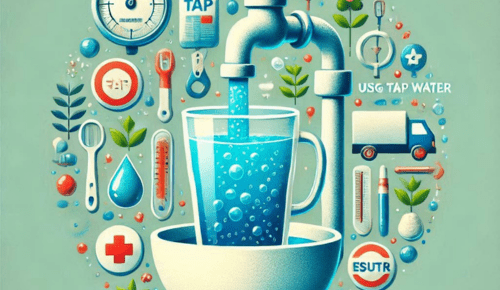
    Many parents wonder whether tap water can be used for mixing Holle formula. While tap water is generally safe for drinking in many parts of the world, it may not always be suitable for use in formula preparation. Tap water can contain various contaminants, such as lead, chlorine, and bacteria, which can be harmful to your baby’s health. In some areas, tap water may also have a high mineral content, which can affect the taste and composition of the formula.

    It is important to check the quality of the tap water in your area before using it for formula preparation. You can contact your local water authority or have your water tested to determine its safety and suitability for use in baby formula. In some cases, tap water may need to be filtered or boiled before it can be used for mixing Holle formula. It is important to take these precautions to ensure that your baby’s formula is safe and free from harmful contaminants.

    Potential risks of using tap water


    Using tap water for mixing Holle formula can pose several potential risks to your baby’s health. Tap water may contain contaminants such as lead, nitrates, and bacteria, which can be harmful when ingested by infants. Lead exposure, in particular, can have serious long-term effects on a baby’s development and can lead to cognitive and behavioral issues. In addition, high levels of nitrates in tap water can cause a condition known as methemoglobinemia, or “blue baby syndrome,” which can be life-threatening for infants.

    Chlorine is another common contaminant found in tap water, which is used to disinfect the water supply but can have negative effects on a baby’s delicate digestive system. Chlorine can disrupt the balance of beneficial bacteria in the gut and cause digestive issues such as diarrhea and stomach cramps. Using tap water with high mineral content can also affect the taste and composition of the formula, making it less palatable for your baby. It is important to be aware of these potential risks and take steps to ensure that the water used in formula preparation is safe for your baby.

    Alternatives to tap water for formula preparation


    If tap water in your area is not suitable for use in formula preparation, there are several alternatives that you can consider. One option is to use bottled water that is specifically labeled as suitable for infant formula preparation. Look for bottled water that has been purified or distilled, as these types of water are free from contaminants and minerals that can affect the taste and composition of the formula. It is important to read the labels carefully and choose a reputable brand that meets the safety standards for infant feeding.

    Another alternative is to use filtered water from a home filtration system or a pitcher with a built-in filter. Filtration systems can remove contaminants such as lead, chlorine, and bacteria from tap water, making it safe for use in formula preparation. Boiling tap water can also help to kill harmful bacteria and make it safe for mixing Holle formula. It is important to follow the instructions provided by the manufacturer of your filtration system or boiling method to ensure that the water is properly treated before use.

    Tips for safe formula preparation


    To ensure the safety of your baby’s formula, there are several tips that you can follow when preparing Holle formula. First, always wash your hands thoroughly before handling the formula and equipment to prevent contamination. Use clean bottles and nipples that have been sterilized to reduce the risk of bacterial growth. Follow the instructions on the packaging carefully when measuring and mixing the formula to ensure that your baby receives the right amount of nutrients.

    When using tap water for formula preparation, it is important to check its quality and take any necessary precautions to ensure that it is safe for your baby. If you are unsure about the safety of your tap water, consider using bottled water or filtered water as an alternative. It is also important to store prepared formula in the refrigerator and use it within 24 hours to prevent bacterial growth. Pay attention to your baby’s cues and feeding patterns to ensure that they are getting enough fluids throughout the day.

    Ensuring the safety of your baby’s formula


    In conclusion, ensuring the safety of your baby’s formula is crucial for their health and well-being. Holle formula is a popular choice for parents who are looking for an organic and natural alternative to traditional baby formula. Water plays a crucial role in formula preparation, as it is used to dilute the powdered formula and hydrate your baby. It is important to use clean, safe water that is free from contaminants and harmful bacteria when preparing Holle formula.

    Tap water may not always be suitable for use in formula preparation due to potential contaminants such as lead, chlorine, and bacteria. It is important to check the quality of the tap water in your area and consider alternatives such as bottled water or filtered water if necessary. Following proper hygiene practices and storage guidelines can help to ensure that your baby’s formula remains safe and free from harmful bacteria. By taking these precautions, you can provide your baby with a safe and healthy feeding experience with Holle formula.

  • Allure of Long Grain Rice and Aromatic Biryani Rice

    Allure of Long Grain Rice and Aromatic Biryani Rice

    Rice is much more than a staple food item; it is a base element that has led to the cuisines of different cultures. Out of many varieties of rice, long-grain rice and aromatic biryani rice are the two types that remain on the favorite lists of food lovers. These are valued not only for their flavor but also for their texture and aroma, which render them excellent in a plethora of dishes. The current research paper intends to investigate the nature of both long-grain rice and aromatic biryani rice, their uses in cooking, and the qualities that render them distinctive.

    Long Grain Rice Detail

    Long grain is the most popular type of rice, recognizable by very long, firm grains that remain free-flowing and light after cooking. Unlike the shorter grains, the long-grain rice sticks less thanks to its reduced starch content, a component that tends to help hold on to the texture during cooking.

    Defining Characteristics of Long-Grain Rice

    Slightly long-grained: Long-grain rice is generally four to five times longer than it is wide. The grains elongate in shape, which assures that they retain their shape, ensuring that the light and fluffy texture remains.

    Less starch: These long-grain rices are less sticky since they are generally low in starch. They are therefore suitable for meals requiring a fluffier and lighter meal.

    Overall, long-grain rice is versatile for most applications, including simple, steamed rice through to more complex applications such as pilafs, salads, and casseroles.

    Mild: The mild taste of long-grain rice allows this rice to serve as a perfect base for foods that bring out the strength of the sauce or spice blend or highlight richer proteins.

    What really distinguishes long-grain rice from other rice is its ability to remain light and fluffy, an excellent quality to serve when a textured contrast is desired. Of course, some of the more classic uses in cooking are: 

    Pilafs: The structure of individual grains in the long grain variety makes them ideally suited for pilafs, or rice that is cooked in a seasoned broth. The rice is then sometimes mixed with available vegetables, nuts, and dried fruits.

    1. Fried Rice: With the non-clumping nature of long-grain rice, it is tailor-made to be well-coated in oil and stir-fried evenly with many ingredients.

    Salads: The light texture of long-grain rice makes it ideal to couple with salads, wherein it should go well with fresh vegetables, herbs, and tangy dressing.

    The Allure of Aromatic Biryani Rice.

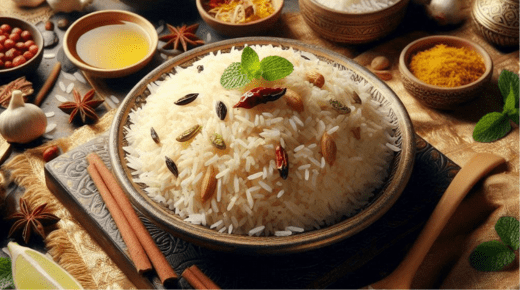
    Biryani is much more than just a meal; it is an experience for the taste buds. The use of aromatic biryani rice, usually long basmati rice, is one of the crucial ways to help this happen. The flavor, texture, and aroma of biryani rice are totally different, and hence it is popular among all races.

    Source of Aromatic Rice: Aromatic biryani rice is mostly derived from basmati, and it has a very inviting smell of pandanus leaves or popcorn. This aroma is brought out while the rice is cooking by the natural compounds present in the rice.

    Long and Slender Grains: Like a lot of long grain types, biryani rice bears grains that are quite slender and lengthen further during cooking. By doing so, it easily separates and becomes fluffy—one of the unique features of biryani.

    Great Taste: Aromatic biryani rice has a much more defined, flavorful taste compared to its other long-grain counterparts. It receives a slight nutty touch that really jives with the rich spices and ingredients that come together to make this flavorful biryani.

    Applications of Aromatic Biryani Rice in Cooking

    Though it sells long-grain basmati aromatic biryani rice only for biryani, due to its extraordinary characteristics, it can be used in a number of other recipes, such as:

    Biryani: The most obvious application of basmati rice aromatic biryani is in biryani. The rice is cooked with a mixture of spices, meat, and vegetables that it absorbs to render aroma and flavor.

    Pulao is an easier preparation compared to biryani; it uses aromatic biryani rice. Here is the dish where rice is the center of attention. The rice is cooked with just a handful of aromatic spices and is often served with raita or curry on the side.

    1. Festivals and Celebrations: The mild taste and fragrance of biryani rice are well suited for this type of special occasion or celebration. Since the taste of biryani rice is distinct, it really enhances the overall experience of the meal that is being savored.

    Choosing the Best Rice for the Dish

    Whether to use long-grain rice or aromatic biryani rice depends a great deal on the type of dish you are creating, and what type of aromatic experience you intend to present.

    For Everyday Culinary Dishes: The best rice to use is long grain for everyday dishes like stir-fries, salads, or pilafs. The grains have a light, fluffy texture, complementing most dishes with a not-so-strong taste.

    For special events When you make that special meal, especially one in which you have put so many rich and sophisticated spices, aromatic biryani rice will be just what you need. Its strong aroma and bouncy taste will make your dish memorable.

    Conclusion

    Whether it be the flexibility of long-grain rice or the aromatic richness and taste of aromatic-rich biryani rice, some very unique characteristics are present in every kind of rice available. Knowing which characteristics best suit what needs narrows it down to deciding on the best-suited rice variety to consider while planning your next recipe. So next time you plan a meal, think about an ingredient that has to be there—rice. And pick a rice variety that best suits that meal.